Understanding Additive Components for Peak Lubricant Performance
Selecting the correct lubricant is only the first step. The performance, longevity, and protective qualities of that lubricant are determined by its specific blend of additive components. An imbalanced or incompatible additive system can lead to premature equipment failure, increased downtime, and costly repairs. Understanding how these chemical components interact is essential for any operations or maintenance manager looking to optimize fluid performance and protect valuable assets.
The base oil provides the fundamental lubricating film, but it is the additive package that tackles the real-world challenges of extreme pressure, oxidation, corrosion, and wear. When these additives work in harmony, they extend the life of both the lubricant and the machinery. When they don't, the consequences can be severe. This guide provides direct answers to common questions about additive compatibility and performance troubleshooting.
The Core Functions of Key Additive Components
A finished lubricant is a carefully balanced formulation where each component has a specific job. Additive packages are designed so that individual chemicals work synergistically, meaning their combined effect is greater than the sum of their parts. Introducing an outside element or mixing fluids can disrupt this balance. Our R&D team, which includes more than 30 PhD and master’s degree holders, specializes in developing these precise formulations.
Here is a breakdown of the primary types of additive components and their roles:
| Additive Type | Primary Function | Mechanism of Action | Common Application |
|---|---|---|---|
| Anti-Wear (AW) Agents | Prevent metal-to-metal contact under moderate loads. | Forms a protective chemical film on metal surfaces that shears preferentially to the base metal. | Hydraulic oils, compressor oils, light-duty gear oils. |
| Extreme Pressure (EP) Agents | Prevent seizure and welding under high-load or shock-load conditions. | Reacts with metal surfaces at high temperatures to form a sacrificial layer that is softer than the base metal. | Industrial gear oils, metalworking fluids, grease. |
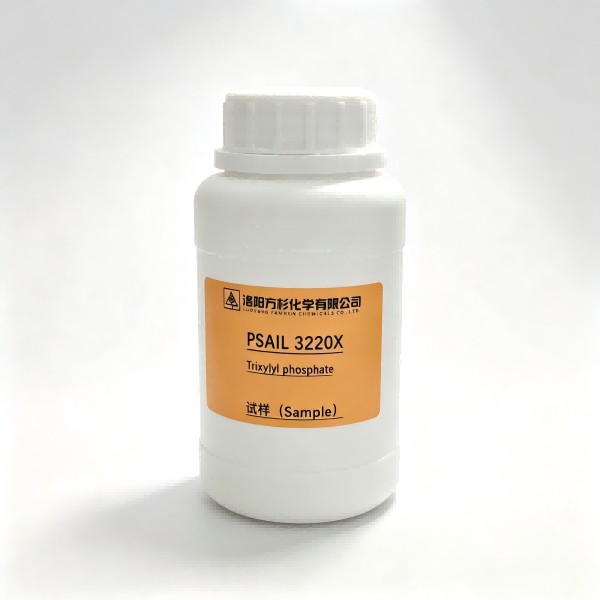
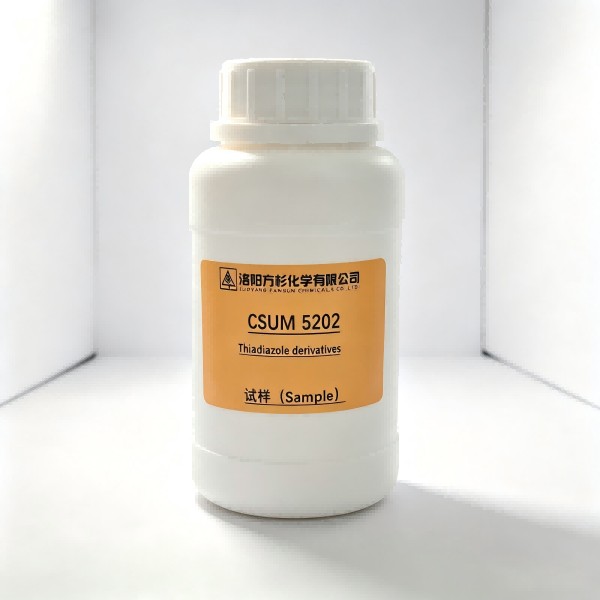
| Rust & Corrosion Inhibitors | Protect metal surfaces from chemical attack by oxygen, water, and other contaminants. | Creates a passive barrier on the metal surface or neutralizes corrosive acids. For more detail, see our high-performance amine-based, thiazole, and carboxylic acid variants. | Engine oils, turbine oils, hydraulic systems. |
| Detergents | Keep surfaces clean by neutralizing acids and removing deposits. | Chemically neutralizes acidic byproducts of combustion and suspends contaminants in the oil. | Engine oils, especially for internal combustion engines. |
| Dispersants | Keep solid contaminants suspended in the oil to prevent sludge and varnish. | Surrounds soot and other fine particles, preventing them from agglomerating and settling on surfaces. | Engine oils, transmission fluids. |
| Friction Modifiers | Reduce the coefficient of friction between moving surfaces. | Forms a low-shear-strength film on surfaces to reduce energy loss. | Engine oils (for fuel economy), automatic transmission fluids. |
Identifying and Avoiding Common Additive Compatibility Issues
The most frequent cause of unexpected lubricant failure is contamination or improper mixing. This can trigger negative lubricant additive interactions, leading to additive dropout, filter plugging, and accelerated wear. At Luoyang Fangshan Chemical, our ISO 9001:2015 certified production processes ensure that every batch of additives meets strict quality standards, but end-user practices are equally important for maintaining performance.
Avoiding these common mistakes is the first step toward reliable lubrication management:
- Mistake 1: Mixing Different Lubricant Formulations. Never assume that two oils of the same viscosity grade are compatible. For example, mixing a polyalkylene glycol (PAG) based gear oil with a polyalphaolefin (PAO) based oil can result in an insoluble gel, starving the system of lubrication. The additive systems are often completely different and can react antagonistically.
- Mistake 2: Uncontrolled "Top-Treating". Adding a supplemental additive, or "top-treat," to a fully formulated lubricant can disrupt its chemical balance. Adding extra EP agent, for instance, might improve load-carrying capacity but could also increase corrosivity or interfere with the demulsibility of the oil. Always consult with a technical expert before modifying a finished fluid.
- Mistake 3: Ignoring Base Oil Compatibility. Additive solubility is dependent on the base oil. An additive designed for a Group I mineral oil may not be soluble in a Group IV synthetic (PAO) base stock, leading it to separate and fall out of the solution, rendering it useless.
- Mistake 4: Using the Wrong Fluid for Top-Ups. Using a standard hydraulic oil to top up a system requiring a zinc-free or ashless fluid can introduce metallic additives that are detrimental to certain components, like silver-plated bearings or specific pump types. Always use the exact same product for topping up.
Ensuring additive package compatibility is not just about chemistry; it is about operational discipline. Proper labeling, dedicated dispensing equipment, and clear procedures are critical for preventing cross-contamination.
Troubleshooting Lubricant Performance: A Practical FAQ
When a machine starts showing signs of distress, the lubricant is often a key indicator. Answering these questions can help you diagnose issues related to your oil additives and take corrective action before a catastrophic failure occurs.
Q1: What are the physical signs of additive incompatibility or depletion?
Look for changes in the lubricant's appearance and the system's operation. Key warning signs include:
- Sludge or Varnish: Additives dropping out of solution or severe oxidation can create sticky deposits that clog filters and oil passages.
- Increased Operating Temperature: May indicate depleted anti-wear additives or friction modifiers, leading to higher friction.
- Cloudy Appearance: Often a sign of water contamination, which can cause some additives to hydrolyze and become ineffective.
- Darkening Color: Rapid or extreme darkening can signal thermal degradation or excessive contamination.
- Filter Plugging: Insoluble byproducts from incompatible additives will be captured by filters, leading to a rapid increase in differential pressure.
Q2: How does hydraulic fluid contamination impact additives?
Contaminants are not just inert particles; they are chemical reactants that actively degrade your lubricant.
- Water: Causes hydrolysis of additives like ZDDP, depleting anti-wear protection. It also promotes rust and bacterial growth.
- Dirt/Dust (Silica): Acts as an abrasive particle, causing wear. It also serves as a catalyst that accelerates oil oxidation.
- Process Chemicals: Depending on the industry, chemicals can be introduced that directly react with and neutralize specific additives.
- Fuel or Solvents: These contaminants drastically lower the oil’s viscosity, compromising the lubricant film and rendering certain additives ineffective.
Q3: Can lubricant additives be mixed after the fact?
As a general rule, no. You should never mix different finished lubricants, even from the same manufacturer, unless they are explicitly stated to be compatible. The risk of additive antagonism is too high. If a performance boost is needed, it is better to switch to a higher-performance fluid or consult with a manufacturer about a custom formulation. This ensures the entire high-quality lubricant additive components package is balanced.
Q4: When is a full fluid replacement necessary?
Oil analysis is the only definitive way to know. A full fluid change-out is typically required when:
- Key Additives Are Depleted: If oil analysis shows that critical additives (e.g., anti-wear, rust inhibitors) have fallen below their condemning limits.
- Oxidation is High: A significant increase in the Acid Number (AN) indicates the oil has oxidized and can become corrosive.
- Contamination is Severe: If water, dirt, or other contaminants exceed acceptable limits and cannot be effectively removed by filtration.
- Base Oil has Degraded: If the oil’s viscosity has shifted significantly out of grade due to shearing or thermal breakdown.
A Buyer's Checklist for Selecting Additive Components
Choosing a supplier for additive components or custom packages requires careful evaluation. The right partner provides not only quality products but also the technical support needed to ensure formulation success. Our facility, with a production capacity exceeding 10,000 tons for functional chemicals, is built to support global partners with reliable supply chains.
Use this checklist to guide your sourcing and qualification process:
- Define Your Performance Requirements: What specific problem are you trying to solve? (e.g., reducing wear scar in an SRV test, improving PB/PD values, increasing oxidation stability). Be specific with your performance targets.
- Verify Base Oil Compatibility: Confirm that the proposed additive component is soluble and stable in your target base oil (e.g., mineral, PAO, ester).
- Request Technical Data Sheets (TDS) and Safety Data Sheets (SDS): Review the physical properties, treat rates, and handling information. Ensure the data is complete and transparent.
- Inquire About Quality Management Systems: Does the supplier hold relevant certifications? We operate under ISO 9001:2015 (Quality), ISO 45001:2018 (Occupational Health & Safety), and ISO 14001:2015 (Environmental) management systems.
- Request a Sample for Laboratory Blending: The ultimate test is in your own formulation. A reliable supplier should provide samples promptly. We offer a 3-day lead time for samples and have no minimum order quantity (MOQ) to facilitate your R&D process.
- Discuss Formulation Support: Can the supplier's technical team help you troubleshoot blending issues or recommend synergistic components? My role as a Sales Engineer is to provide exactly this kind of support for our overseas customers.
- Confirm Supply Chain Reliability: Ask about production capacity, standard lead times for bulk orders (ours is 7 days), and logistics capabilities. This is especially important when sourcing import-substitute products.
By following a structured approach, you can mitigate the risks of additive incompatibility and build a resilient lubrication program that enhances equipment reliability and reduces total cost of ownership.
For a deeper discussion on your specific formulation challenges or to request a sample for evaluation, please contact our technical team for a one-on-one consultation.
 WhatsApp
 Email
 +8616638861155