What is Metalworking Additive?
Metalworking additives are specialized chemical raw materials designed to be incorporated into metalworking fluids, including cutting fluids, grinding fluids, stamping oils, drawing fluids and other process lubricants. Pure base oil or water alone cannot satisfy the rigorous demands of metal machining operations. These additives deliver tailored functions such as extreme pressure, anti-wear, rust inhibition, corrosion protection, lubrication and biostability. They are essential building blocks for formulating finished metalworking fluids, reducing tool wear, improving workpiece surface finish, suppressing heat generation during machining and protecting ferrous and non-ferrous metal substrates.
Types of Metalworking Additives
Water-Based Series
Water-based metalworking additives are engineered for dilution in water, widely used in soluble cutting fluids, semi-synthetic and fully synthetic metalworking fluids. They combine lubricity, rust prevention and hard-water stability. This series can effectively reduce friction and cool the cutting zone during high-speed machining. They feature good emulsion stability, low foam tendency and excellent ferrous metal anti-rust performance. Some grades also provide copper corrosion inhibition and resist bacterial growth in diluted working fluid.
Phosphate Esters Series
Phosphate esters are high-performance anti-wear and extreme pressure additives for metalworking applications. When metal surfaces bear heavy machining loads, they react with metal substrates to form a thin, tough boundary lubrication film, preventing direct metal-to-metal contact, tool scoring and workpiece scratching. They offer outstanding load-carrying capacity, good oil solubility and compatibility with other additives. They are suitable for both oil-based and water-dilutable metalworking formulations for cutting, grinding and forming processes.
Applications of Metalworking Additives
Metalworking additives are core raw materials to formulate cutting fluids, grinding fluids, tapping oils, stamping lubricants, wire drawing fluids and rolling oils. They cover machining scenarios of steel, cast iron, aluminum, copper and alloy materials. In high-speed turning, milling and grinding processes, water-based additive packages are commonly used for strong cooling and rust protection. For heavy-duty tapping, broaching and deep drawing processes, phosphate ester additives are introduced to boost boundary lubrication and extreme pressure performance. Proper selection of these additives extends tool service life, improves surface quality of finished parts and reduces reject rates in mass metal processing.
Selecting Metalworking Additives
When selecting metalworking additives, formulators need to evaluate multiple factors according to workpiece material, machining process and fluid system type. First, confirm whether the final fluid is oil-based, semi-synthetic or fully synthetic, to guarantee additive solubility and emulsion stability. Second, assess the machining load: light-duty grinding prefers water-based additive systems; heavy-duty forming and tapping require phosphate ester additives for enhanced EP/AW performance. Third, take target metal types into account. Aluminum and copper alloys need to avoid corrosive additive components, while steel workpieces demand reliable rust inhibition. It is recommended to conduct compatibility tests, hard water stability tests and machining performance trials before mass production. Cost control and regional regulatory compliance should also be considered during formulation design.
Metalworking Additives Supplier
Fanschem is a professional metalworking additives supplier provides high quality and effective metalworking additives for lubricant manufacturing. If you are looking for metalworking additives for lubricant manufacturing feel free to contact us.
Q&A
Q1: Can water-based metalworking additives be mixed directly with water?
A: The water-based series needs proper stirring and controlled dilution ratio. Some grades require pre-blending with co-surfactants. Compatibility testing is recommended to avoid separation or foam issues. Our team can provide recommended dilution parameters.
Q2: What is the main advantage of phosphate esters in metalworking fluids?
A: Phosphate esters provide excellent boundary lubrication and extreme pressure protection under heavy machining loads. They help reduce tool wear and achieve smoother workpiece surface finish, working well in both oil and water-dilutable metalworking systems.
Q3: Do you support sample supply for formulation testing?
A: Yes, samples are available for lab formulation development and performance evaluation. Please contact our sales team with your fluid type and target application.
Q4: Can Fanschem offer technical support for metalworking fluid formulation?
A: Our technical team has rich experience in metalworking fluid formulation. We can offer dosage suggestions, additive matching guidance and help troubleshoot common issues such as rust, foam and emulsion instability.
Q5: What compliance documents can you provide?
A: We can provide TDS, MSDS and other regional compliance reviews upon customer request.
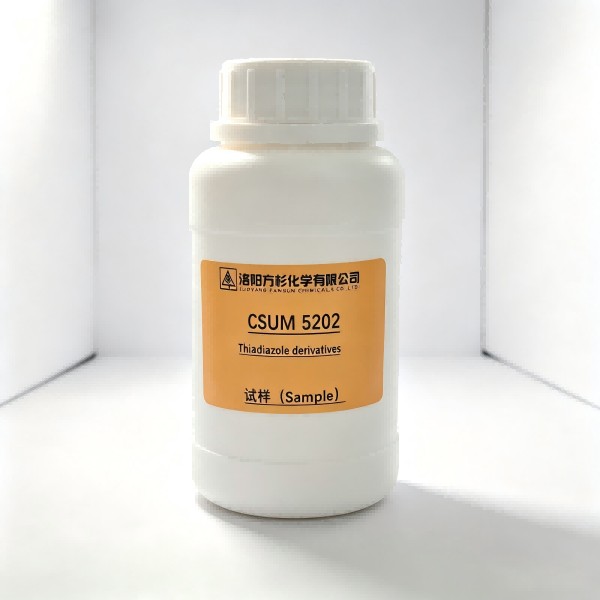
Thiadiazole derivatives CAS:55906-42-8
CSUM 5202 is a fully water-soluble thiadiazole metalworking additive with excellent extreme pressure and mild copper anti-corrosion properties.
Read More Get A Quote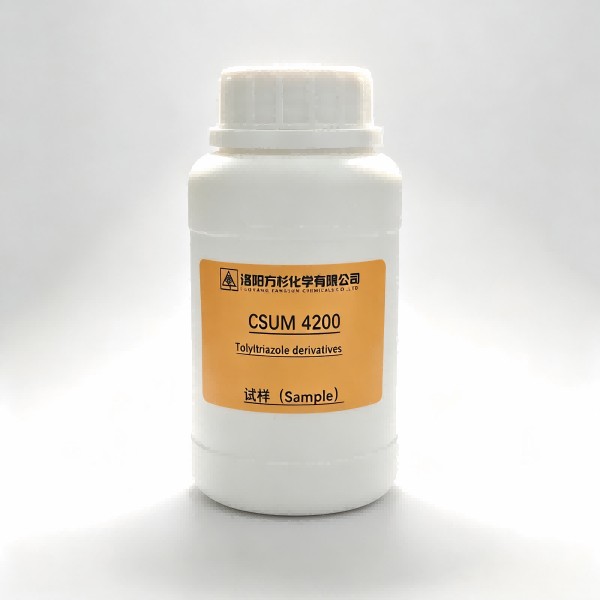
Tolyltriazole derivative CAS: 80584-88-9
CSUM 4200 is a water-soluble tolyltriazole metal deactivator with reliable yellow metal and cobalt alloy anti-corrosion properties.
Read More Get A Quote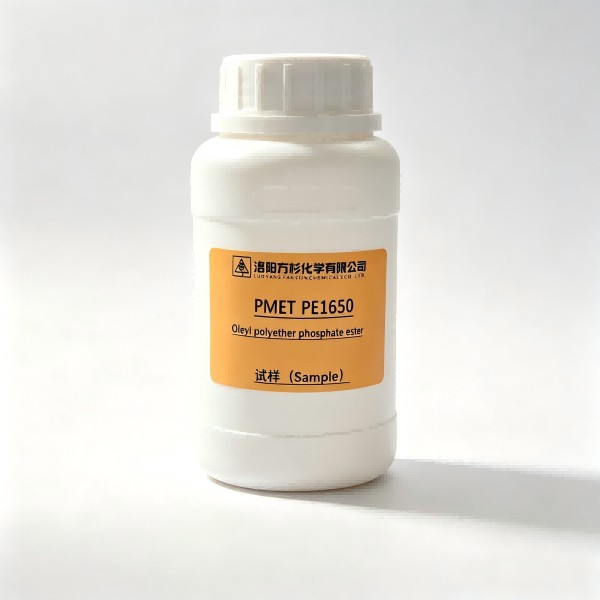
Oleyl polyether phosphate ester CAS:68909-67-1
PMET PE1650 is a multifunctional oleyl polyether phosphate ester additive with excellent extreme pressure lubrication, emulsification and aluminum anti-corrosion properties.
Read More Get A Quote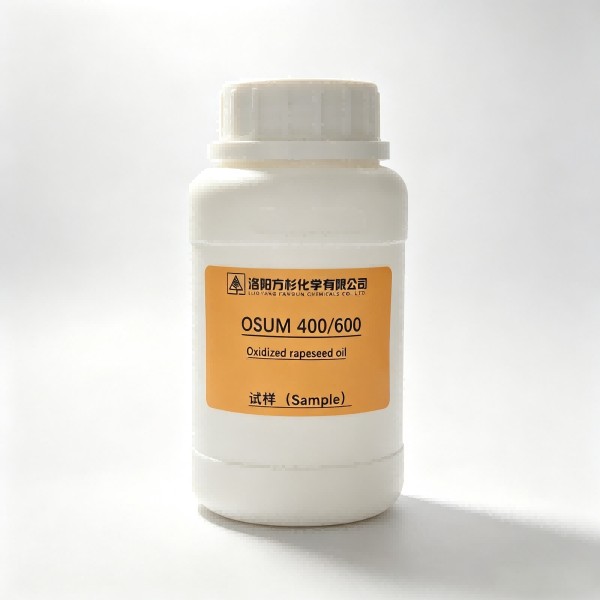
Oxidized rapeseed oil
OSUM 400/600 is a fully biodegradable oxidized rapeseed oil lubricant additive with stable viscosity and excellent oil-film strengthening properties.
Read More Get A Quote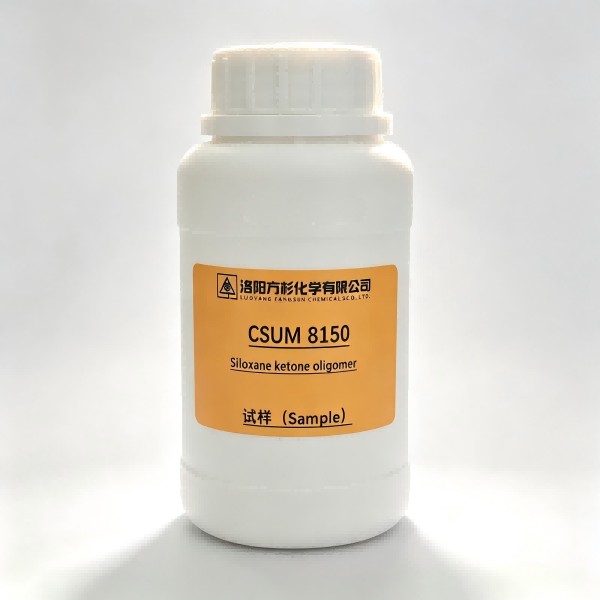
Siloxane ketone oligomer
CSUM 8150 is a water-soluble siloxane ketone oligomer additive with outstanding aluminum, tin and zinc anti-corrosion properties for alkaline aqueous systems.
Read More Get A Quote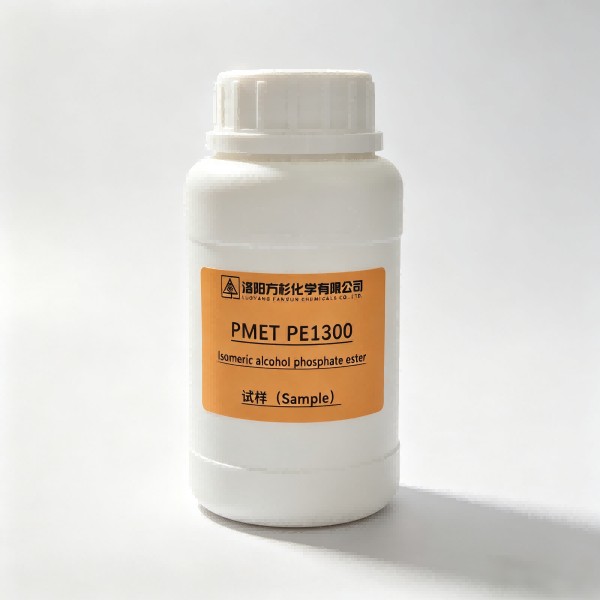
Isomeric alcohol phosphate ester CAS: 52933-07-0
PMET PE1300 is a low-foam multi-functional phosphate ester additive with excellent extreme pressure lubrication and universal aluminum & multi-metal anti-corrosion properties.
Read More Get A Quote
 WhatsApp
 Email
 +8616638861155