How Additive Components Influence Hydraulic Oil Failure Diagnosis
When a hydraulic system exhibits problems like excessive noise, heat, or sluggish response, maintenance teams often focus on mechanical causes. However, the root cause frequently lies within the lubricant's chemical composition. The degradation or depletion of specific additive components can directly lead to system failure. Understanding the function of each component is not just an academic exercise; it is the key to accurate troubleshooting and preventing repeat issues.
A finished hydraulic fluid is a carefully balanced formulation of base oil and a variety of chemical additives designed to protect the equipment. When performance drops, identifying which additive function has been compromised allows for a targeted solution, whether that involves a fluid change-out or a reformulation. This guide provides a framework for diagnosing common hydraulic oil failures by tracing symptoms back to their likely chemical origins, helping you make more informed maintenance and sourcing decisions.
A Diagnostic Map: Linking Symptoms to Additive Function
Effective troubleshooting begins with connecting observable symptoms to the underlying failure of an additive's function. Before assuming a complete fluid failure, use this diagnostic map to narrow down the potential chemical cause. This systematic approach saves time and resources by focusing your investigation where it is most needed.
The table below outlines common hydraulic system symptoms, the probable additive function that has been compromised, and the initial diagnostic steps to take.
| Symptom | Probable Additive Function Failure | Initial Diagnostic Steps & Considerations |
|---|---|---|
| Increased Wear & Scuffing (e.g., high particulate counts, pump noise, failing SRV or four-ball tests) |
Depletion of Anti-Wear (AW) or Extreme Pressure (EP) Additives |
|
| Varnish, Sludge, or Deposits (e.g., sticky valves, clogged filters, dark oil color) |
Depletion of Antioxidants or Thermal Stabilizers |
|
| Persistent Foam (e.g., spongy actuator response, pump cavitation noise) |
Depletion or Ineffectiveness of Antifoam Agent |
|
| Rust or Yellow Metal Corrosion (e.g., reddish-brown deposits on steel, tarnishing of bronze/brass components) |
Depletion of Rust or Corrosion Inhibitors |
|
| Poor Demulsibility (e.g., milky or cloudy oil, free water not separating in the reservoir) |
Depletion or Overwhelming of Demulsifier |
|
The Critical Role of Anti-Wear and Extreme Pressure Additives
In hydraulic systems, mechanical wear is the most direct path to component failure. This is why anti-wear (AW) and extreme pressure (EP) additive components are fundamental to fluid performance. They function by forming a sacrificial chemical film on metal surfaces, preventing direct metal-to-metal contact under boundary lubrication conditions.
When formulators or maintenance teams see test results showing a high friction coefficient, a large wear scar (from a four-ball or SRV test), or poor PB/PD (load-carrying capacity) values, it is a direct indictment of the AW/EP package. These additives are consumed during operation, especially under high load, temperature, or pressure. Their depletion leaves pumps, valves, and cylinders vulnerable to accelerated wear.
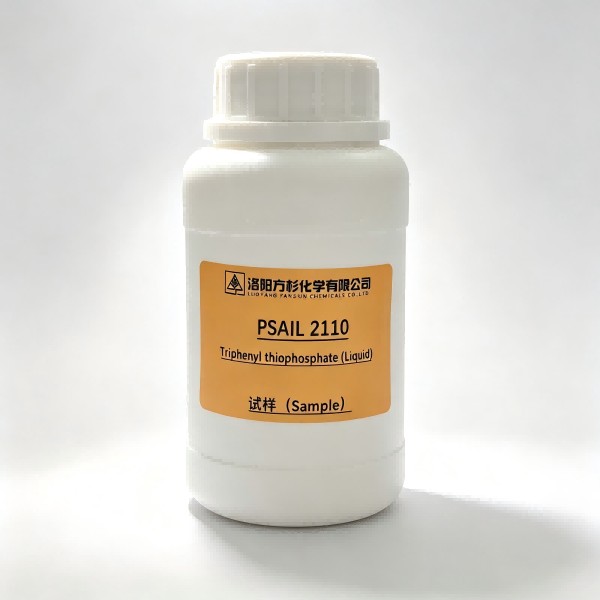
Selecting the right AW/EP chemistry is essential. Traditional zinc dialkyldithiophosphates (ZDDPs) offer excellent, cost-effective performance, but ashless alternatives are required in certain applications. For heavy-duty systems, sulfur-phosphorus (S-P) EP additives provide protection under extreme loads where AW films would fail. As a professional lubricant additive manufacturer, we have seen how substituting a standard component for a high-performance, thermally stable one can drastically extend fluid and component life. Our R&D team, which includes over 30 PhD and master’s degree holders, specializes in developing these import-substitute solutions to address specific performance gaps.
Preventing Oxidative and Thermal Degradation
Varnish and sludge are the silent killers of hydraulic systems. These deposits are the result of oil oxidation and thermal degradation. Once the fluid's antioxidants are consumed, a chain reaction begins, rapidly increasing oil viscosity, forming corrosive acids, and creating insoluble deposits that choke filters and cause valves to stick.
Antioxidants, such as aminic and phenolic compounds, work by interrupting this oxidation cycle. However, they have a finite life. High operating temperatures dramatically accelerate their depletion rate—a general rule is that for every 10°C increase above 60°C, the oil's life is halved. This is why simply changing the oil without addressing an underlying temperature problem will only lead to another premature failure.
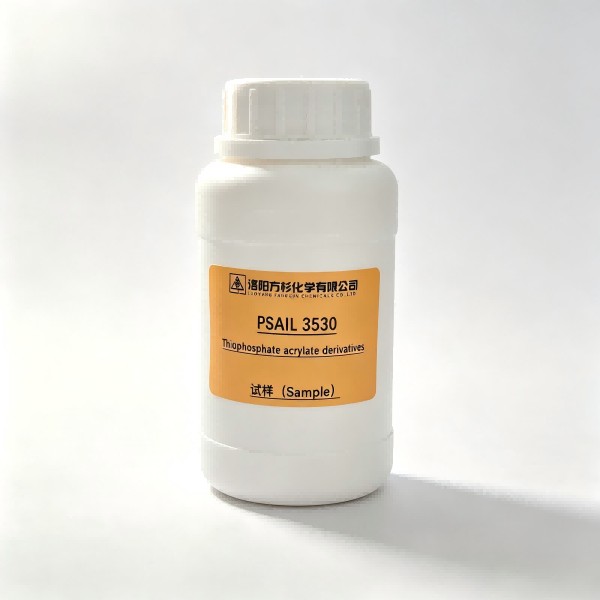
When selecting additive components for thermal stability, formulators must avoid these common mistakes:
- Mismatching Antioxidant and Base Oil: The solubility and performance of an antioxidant are highly dependent on the base stock (e.g., Group I, II, III, or PAO). Using an incompatible pairing leads to poor performance.
- Ignoring Synergies: Certain antioxidants work best in combination (e.g., an aminic for high-temperature stability and a phenolic for low-temperature radical scavenging). A single-chemistry approach may not provide broad-spectrum protection.
- Under-Treating the Formulation: Attempting to cut costs by reducing the antioxidant treat rate can lead to a drastic reduction in fluid life, resulting in higher long-term costs from more frequent oil changes and component failures.
- Failing to Account for Contaminants: Wear metals like copper and iron act as catalysts for oxidation. If a system is known to have high levels of these metals, a more robust antioxidant package, potentially including metal deactivators, is required.
Managing Contamination: Foam, Water, and Corrosion
While wear and oxidation are inherent degradation processes, contamination introduces external threats that the additive package must manage. Foam, water, and corrosive elements can all cause rapid system failure if left unchecked.
Foam Control: Air entrainment reduces the bulk modulus of the fluid, leading to spongy and imprecise hydraulic control. It also promotes oxidation and can cause pump cavitation. Antifoam additives, typically silicone-based polymers, work at very low concentrations to reduce the oil's surface tension, allowing entrained air bubbles to collapse quickly. Persistent foaming, however, often points to a mechanical issue like an air leak or an incorrect fluid level in the reservoir, which should be investigated before blaming the additive.
Water Management: Water is a destructive contaminant. It promotes rust, accelerates oil oxidation, and reduces lubricity. Demulsifiers are surface-active agents that help force emulsified water to separate from the oil, allowing it to be collected and drained from the reservoir. When a fluid becomes milky and fails to clear, it indicates the demulsifier has been overwhelmed by excessive water ingress or other contaminants.
Corrosion Prevention: Rust inhibitors are polar compounds that form a protective film on ferrous (iron and steel) surfaces, shielding them from water. For non-ferrous metals like copper and bronze, metal deactivators are used. These additives, such as those found in our high-performance lubricant additive packages & blending solutions, passivate the metal surfaces to prevent them from acting as oxidation catalysts and protect them from attack by corrosive sulfur compounds.
Sourcing High-Performance Additives: A Buyer's Checklist
Diagnosing a fluid failure is only half the battle. The other half is sourcing reliable, high-quality additive components to ensure the problem does not recur. When evaluating a potential supplier, formulators and procurement managers should use a checklist to verify their capabilities and reliability.
A dependable partner does more than just supply chemicals; they provide technical expertise and a secure supply chain. Our operations are built to meet these standards, offering a clear advantage for global clients.
- ✅ Quality and Environmental Certifications: Does the manufacturer adhere to internationally recognized standards? Our facilities are certified under ISO 9001:2015 for quality management, ISO 45001:2018 for occupational health and safety, and ISO 14001:2015 for environmental management, ensuring consistent and responsible production.
- ✅ Technical Support and R&D Strength: Can the supplier provide formulation guidance and help troubleshoot issues? Our team of over 30 R&D specialists provides in-depth technical support, helping clients develop import-substitute products and optimize their formulations.
- ✅ Supply Chain Agility and Flexibility: What are the supplier's lead times and minimum order quantity (MOQ) requirements? We differentiate ourselves by offering no MOQ and fast dispatch times—samples ship within 3 days and large orders within 7 days. This flexibility is critical for R&D projects and just-in-time production.
- ✅ Comprehensive Product Portfolio: Does the supplier offer a full range of single components and fully formulated additive packages? A broad portfolio simplifies procurement and ensures that all components have been tested for compatibility.
- ✅ Transparent Quality Assurance: Does the supplier have a clear policy for handling quality issues? We stand behind our product quality and offer negotiated returns if a product does not meet agreed-upon specifications, providing peace of mind.
Choosing a supplier based on these criteria ensures you receive not only a product, but also a partnership dedicated to the performance and reliability of your finished lubricants.
If you are facing performance challenges or seeking reliable import-substitute additive components, our technical team is ready to help. Contact us for a formulation consultation or to request a sample.
 WhatsApp
 Email
 +8616638861155