How Do Rust Inhibitors Protect Steel in Oil?
Rust inhibitors protect steel and other ferrous metals inside lubricating systems by forming a tightly bonded, water-repellent molecular film directly on the metal's surface. Unlike a simple coating, this barrier is created by specialized chemical additives that are soluble in the oil but have a strong chemical affinity for metal. These molecules arrange themselves into a microscopic shield, physically blocking corrosive agents like water and oxygen from making contact with the steel, thereby preventing the electrochemical process of rust formation.
For lubricant formulators and plant engineers, understanding this mechanism is key to selecting the right additive chemistry. The effectiveness of these rust inhibitors depends not just on their presence, but on their molecular structure, their interaction with other additives, and the specific operating conditions of the equipment. Choosing an inappropriate inhibitor can lead to issues far beyond corrosion, including poor extreme pressure (EP) performance, emulsion problems, and blocked filters.
The Core Mechanism: How Polar Molecules Form a Protective Barrier
The protective action of an oil-soluble rust inhibitor is a process of surface chemistry driven by molecular polarity. These additives are surfactants, meaning they have a dual-natured structure: one part of the molecule is attracted to metal, and the other is attracted to oil. This design allows them to bridge the gap between the oil and the metal components they are meant to protect.
This process, known as adsorption, creates a persistent, non-covalent film that is only a few molecules thick but remarkably effective. Here is a breakdown of how these inhibitor molecules organize to protect a steel surface:
- Molecular Structure: Each inhibitor molecule consists of a "polar head" and a "non-polar tail." The polar head contains elements like oxygen, nitrogen, or sulfur, giving it a slight electrical charge that is highly attracted to the metallic (also polar) surface of steel components. The non-polar tail is a long hydrocarbon chain that readily dissolves in the base oil.
- Migration and Adsorption: When blended into a lubricant, the inhibitor molecules disperse throughout the oil. As the oil circulates, these molecules come into contact with internal metal surfaces. The strong attraction between the polar heads and the metal causes the inhibitors to leave the oil and attach themselves, or adsorb, onto the steel.
- Film Formation: The molecules pack together tightly on the surface, with their polar heads anchored to the steel and their non-polar, oil-soluble tails oriented outwards, pointing into the bulk oil. This dense, organized layer of hydrocarbon tails forms a hydrophobic (water-repelling) barrier.
- Repulsion of Corrosives: This barrier physically prevents water droplets, which may be entrained in the oil from condensation or contamination, from reaching the metal surface. By denying water access to the steel, the inhibitor halts the electrochemical reaction required for rust (iron oxide) to form.
This film is tenacious but also dynamic. It can "heal" itself if minorly disrupted, as nearby inhibitor molecules in the oil will quickly adsorb onto any newly exposed metal. The strength and persistence of this film are critical performance characteristics that differentiate various inhibitor chemistries.
Key Types of Oil-Soluble Rust Inhibitors and Their Functions
Not all rust inhibitor chemistries are created equal. The choice depends heavily on the application, base oil type, and other additives in the formulation. As a professional lubricant additive manufacturer, we work with several classes of inhibitors, each with distinct advantages for specific environments.
Here are some of the primary families of inhibitors used in industrial and automotive lubricants:
| Inhibitor Chemistry | Primary Characteristics & Applications | Considerations |
|---|---|---|
| Metal Sulfonates | Often based on calcium, barium, or sodium. Excellent rust protection and detergency. Provide a strong, persistent film. Commonly used in engine oils, greases, and hydraulic fluids. | Can sometimes impact water separability (demulsibility). Barium-based variants are facing increased regulatory scrutiny in some regions. |
| Carboxylic Acids & Derivatives | Includes fatty acids, dimer/trimer acids, and succinic acid derivatives like dodecenyl succinate (cmet t747b). Generally ashless (no metal content), offering good rust prevention and compatibility. | Performance can vary with the length and structure of the hydrocarbon chain. May require careful formulation to balance with other surface-active additives. |
| Amine Derivatives | Includes fatty amines, amine phosphates, and imidazolines like oleic acid imidazoline corrosion inhibitor (cmet ao). Highly effective at neutralizing acidic contaminants. Provide strong surface affinity and are often used in metalworking fluids and turbine oils. | Can sometimes be aggressive towards yellow metals (copper, brass) unless paired with a metal deactivator. Compatibility with certain seal materials must be verified. |
| Phosphate Esters | These additives offer multifunctional benefits, providing not only corrosion inhibition but also anti-wear (AW) and mild extreme-pressure (EP) properties. Often used in hydraulic fluids and gear oils. | Can be sensitive to water (hydrolysis) under high temperatures, which can lead to the formation of corrosive acidic byproducts if not chosen carefully. |
Selecting the right inhibitor involves balancing performance, cost, and system compatibility. For example, while a sulfonate might offer robust protection, an ashless carboxylic acid derivative could be required for a formulation where minimal deposits are critical, such as in certain compressor or turbine oils.
Critical Performance Metrics Beyond Simple Rust Prevention
A successful lubricant formulation is a finely tuned balance of multiple additives. Introducing a rust inhibitor can influence other vital properties of the oil. A formulator's challenge is to prevent corrosion without negatively affecting other performance characteristics. At Fangshan Chemical, our R&D team of over 30 PhD and master’s degree holders works closely with clients to manage these interactions.
Here are some key performance metrics to consider when evaluating a rust inhibitor:
- Demulsibility (Water Separability): In systems like turbines and hydraulic equipment, it is essential that water separates quickly from the oil so it can be drained. Some potent rust inhibitors are highly surface-active and can act as emulsifiers, holding water in the oil. This is highly undesirable and can lead to lubricant failure and component damage. The ASTM D1401 test is a standard measure of this property.
- Filterability: Modern hydraulic and circulation systems use fine filters to remove contaminants. Certain inhibitor types can react with water or other additives to form gels or precipitates that block filters, starving the system of oil. This is a common failure mode if the additive package is not correctly balanced.
- Compatibility with Other Additives: Rust inhibitors must coexist with other additives, such as anti-wear agents (e.g., ZDDP), EP additives, and friction modifiers. An antagonistic interaction can cause additives to precipitate out of the solution or compete for the metal surface, reducing the effectiveness of both. For example, some amine-based inhibitors can compete with the film-forming action of certain EP additives.
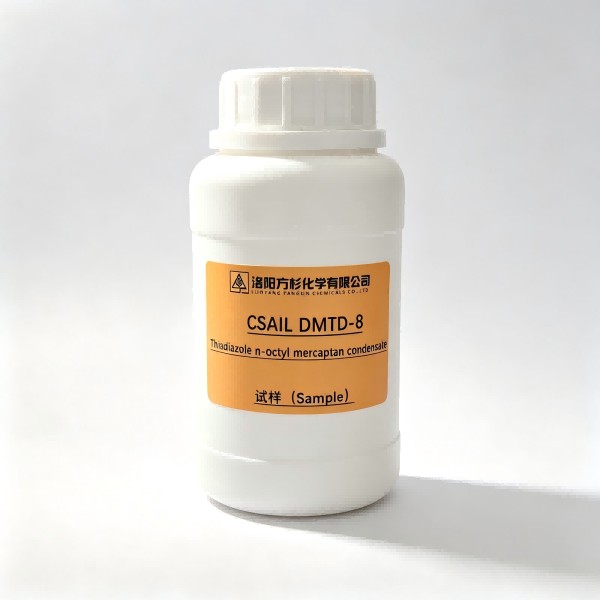
- Yellow Metal Protection: While their primary job is to protect steel, rust inhibitors should not be corrosive to other metals in the system, like copper or bronze alloys found in bearings and pumps. Specific additives, such as thiadiazole-based metal corrosion inhibitors, are often added to protect these sensitive yellow metals.
Sourcing and Qualification: What to Look for in a Supplier
The performance of a rust inhibitor depends directly on the quality and consistency of its manufacturing. When sourcing these critical components, formulators and procurement managers should look for a partner who can provide not just a product, but also technical assurance and supply chain reliability.
As an import-substitute additive specialist, we understand the demands of the global market. Our operations are built to provide confidence and flexibility. Key indicators of a reliable supplier include:
- Certified Quality Management: A supplier's commitment to quality should be verifiable. Our facilities are certified under ISO 9001:2015 (Quality Management), ISO 14001:2015 (Environmental Management), and ISO 45001:2018 (Occupational Health and Safety). These certifications ensure that every batch is produced to a consistent, high standard with responsible oversight.
- Technical Expertise and R&D Support: The supplier should be a technical partner. With a production capacity exceeding 10,000 tons for functional chemicals, we have the scale to serve major blenders, but our strength lies in our R&D team's ability to help customers with formulation compatibility and performance testing.
- Supply Chain Flexibility: Project needs can change quickly. A supplier should be able to accommodate both small-scale R&D trials and large-scale production runs. We support customers with a no MOQ (Minimum Order Quantity) policy, ensuring you can get the quantity you need. Furthermore, our streamlined logistics enable us to ship samples in 3 days and bulk orders in just 7 days.
- Clear Return and Resolution Policies: In the rare event of a quality issue, a transparent process is essential. We stand behind our products and offer a clear policy for negotiating returns if a product quality problem arises, ensuring your interests are protected.
Choosing the right supplier is as important as choosing the right chemical. A partner with proven quality systems, deep technical knowledge, and a flexible supply chain minimizes risk and helps you get your final product to market faster.
If you are developing a new lubricant formulation or seeking to improve the corrosion protection of an existing product, our team can help. Contact us to discuss your requirements or to request a sample for evaluation.
 WhatsApp
 Email
 +8616638861155