How Do Slideway Oil Additives Prevent Stick-Slip?
For machine tool lubricant formulators, stick-slip is more than a minor annoyance; it’s a direct cause of poor surface finish, dimensional inaccuracy, and premature component wear. The shuddering, jerky motion at low speeds is a clear sign that the lubricant is failing to manage the transition between static and kinetic friction. The solution lies within the formulation, specifically in the selection and balance of the slideway oil additive package.
At its core, stick-slip occurs when the static coefficient of friction between two surfaces (e.g., the machine tool bed and the carriage) is significantly higher than the kinetic coefficient of friction. This article explains the precise mechanism by which specialized additives control this frictional behavior, ensuring smooth, continuous movement even under high loads and at low velocities.
The Physics of Stick-Slip: Why Static Friction Exceeds Kinetic Friction
To formulate an effective way lubricant, it's essential to first understand the mechanical problem. Stick-slip is a cycle of binding and releasing that happens at very low speeds. It’s a direct result of the lubricant's inability to maintain a stable, full fluid film between the moving surfaces.
Here’s the sequence of events:
- The "Stick" Phase: As the machine's drive system begins to apply force to move a component like a tool carriage, the velocity is near zero. The lubricant film is at its thinnest, and surface asperities (microscopic peaks) on the slideway and the carriage may come into contact. The force required to break this initial static "stiction" is high.
- The "Slip" Phase: Once the applied force overcomes the static friction, the carriage breaks free and begins to move. As it accelerates, a better hydrodynamic lubricant film is established, and the friction drops to a lower kinetic value.
- The Re-Stick: Because the drive system is programmed for slow, steady movement, the quick "slip" causes the carriage to slightly overshoot its intended position. The drive system momentarily reduces its force, the carriage slows down, the lubricant film collapses, and the surfaces "stick" again.
This cycle repeats rapidly, creating the characteristic chatter or jerky motion. The result on a finished workpiece is visible marking, poor tolerances, and a compromised surface. A well-formulated slideway lubricant must therefore be designed to make the static and kinetic friction coefficients as close as possible, or even to make the static friction lower than the kinetic friction.
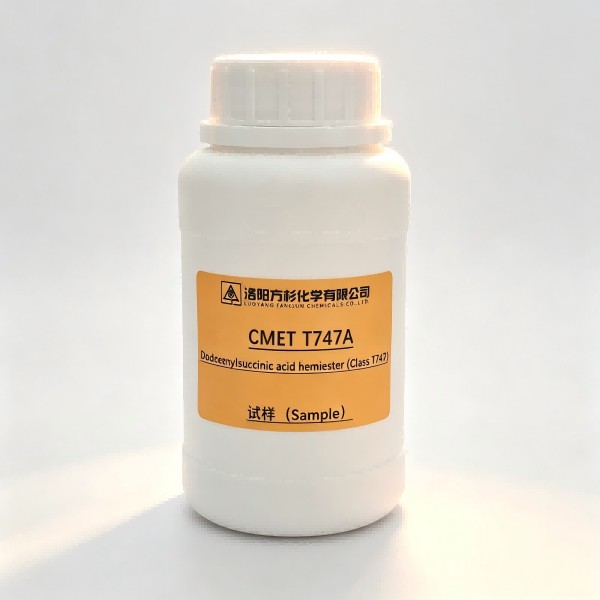
How Friction Modifiers and Tackifiers Stabilize Low-Speed Movement
The primary tools for combating stick-slip are friction modifiers and tackifiers. While they work together in a finished lubricant, they have distinct roles in controlling the oil film's behavior under different conditions. Understanding their individual functions is key to successful formulation and troubleshooting issues like high friction coefficients or poor extreme pressure (EP) performance.
Here is a breakdown of how these two critical components prevent stick-slip:
-
Friction Modifiers: Their main job is to reduce the coefficient of friction, particularly in the boundary lubrication regime where metal-to-metal contact is likely.
- Mechanism: Friction modifiers are polar, surface-active molecules. One end of the molecule has an affinity for the metal surface, while the other end consists of a long hydrocarbon chain. They adsorb onto the slideway surfaces, forming a low-shear-strength film. This film acts as a sacrificial barrier, preventing the direct contact of metal asperities.
- Effect on Stick-Slip: By creating this low-friction boundary layer, they significantly lower the static friction—the "breakaway" force. This brings the static friction value much closer to the kinetic friction value, smoothing the transition from a standstill to motion. Additives like organic molybdenum friction modifiers & lubricant additives are highly effective in this role.
-
Tackifiers: Their function is to increase the adhesiveness and cohesiveness of the lubricant, ensuring it stays in place.
- Mechanism: Tackifiers are typically high-molecular-weight polymers (like polyisobutylene) that increase the oil's "stringiness." They resist being squeezed out from between the surfaces under high pressure (residence time) and prevent the oil from dripping off vertical or inclined slideways.
- Effect on Stick-Slip: While tackifiers don't directly modify the friction coefficient, they are essential for maintaining the integrity of the oil film. By ensuring the lubricant—and the friction modifiers within it—remain between the moving parts, they prevent film collapse at low speeds and during stops. This ensures the friction modifiers are always present at the interface to do their job.
In essence, friction modifiers solve the chemical part of the problem by altering surface properties, while tackifiers solve the physical part by keeping the lubricant where it needs to be. A formulation lacking an effective friction modifier will have high stiction, while one lacking a tackifier will not retain its oil film, leading to boundary conditions where stick-slip can occur.
Key Performance Indicators for Slideway Lubricants Beyond Stick-Slip
While eliminating stick-slip is the primary goal, a successful way lubricant formulation must meet several other performance criteria. A balanced additive package ensures machine protection, longevity, and operational efficiency. When evaluating or developing a lubricant, consider these critical performance aspects.
Our experience working with R&D teams on import substitution shows that focusing only on friction can lead to failures in other areas. We operate from ISO 9001:2015, ISO 14001:2015, and ISO 45001:2018 certified facilities to ensure every component we produce meets stringent quality standards, allowing you to build a balanced formulation.
Essential Performance Characteristics
- Extreme Pressure (EP) and Anti-Wear (AW) Protection: Slideways, especially on large or heavily loaded machines, experience high pressures. The additive package must contain EP/AW agents to prevent scoring, scuffing, and wear. These agents, such as those found in explore fanschems oil-soluble sulfur-based ep/aw additives, form a protective chemical layer on metal surfaces when high heat and pressure break down the hydrodynamic film.
- Demulsibility: Slideway lubricants are often contaminated with water-based metalworking coolants. The oil must separate from water quickly (good demulsibility) to prevent the formation of stable emulsions. Emulsions have poor lubricity, promote bacterial growth, and can lead to corrosion.
- Corrosion and Rust Inhibition: The presence of water and air makes rust and corrosion a constant threat. A robust package of corrosion inhibitors is necessary to protect the precision-ground surfaces of the machine tool ways.
- Oxidative Stability: The lubricant must resist oxidation at operating temperatures to prevent the formation of sludge, varnish, and acidic byproducts. Good oxidative stability extends the life of the oil and protects the machine.
- Filterability: Modern machine tools often have fine filtration systems. The lubricant and its additives must not block these filters, ensuring a clean and consistent supply of oil to the components.
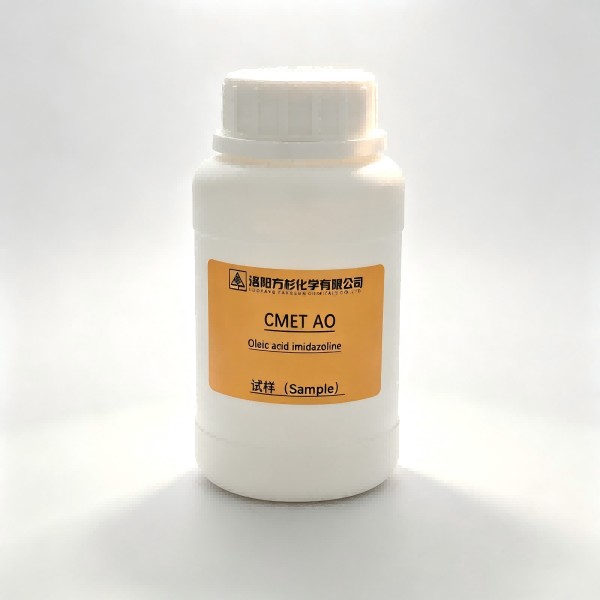
Common Formulation Pitfalls That Undermine Performance
Formulating a high-performance slideway oil is a balancing act. Over-treating one property can negatively impact another. Based on our work helping customers develop custom additive packages, we have identified several common pitfalls that can lead to field failures, even when individual components seem correct.
As a professional additive manufacturer with a production capacity exceeding 10,000 tons, we have the scale to support extensive R&D. We offer samples within 3 days and have no MOQ, making it easy to test and refine formulations without large commitments.
Avoid these common mistakes during your formulation process:
| Mistake | Consequence | Solution |
|---|---|---|
| Over-reliance on Tackifier | Excessive tackifier can create a gummy, high-drag lubricant. It may also trap debris and contaminants, increasing abrasive wear. While it keeps oil on the ways, it can increase energy consumption and impede smooth movement. | Use the minimum effective concentration of tackifier required to ensure film retention. Focus on a high-quality friction modifier to do the primary work of controlling stick-slip. |
| Antagonistic Additive Chemistry | Some EP additives, particularly active sulfur types, can compete with or deactivate certain friction modifiers at the metal surface. This can result in poor EP performance (failing PB/PD tests) or a loss of anti-stick-slip properties. | Conduct thorough compatibility assessments. Work with an additive supplier who can provide guidance on synergistic combinations. Our R&D team of over 30 PhD and Master's holders can help identify formulation requirements for reliable import substitution. |
| Ignoring Coolant Compatibility | Choosing a slideway oil with poor demulsibility leads to "tramp oil" issues in the coolant sump. This promotes bacterial growth in the coolant and reduces the lubricating effectiveness of the way oil. | Select additives known for excellent water separation. Always test the final formulation with the specific types of metalworking fluids it will encounter in the field. |
| Using Automotive Additives | Engine oil or gear oil additives are not designed for the low-speed, high-pressure environment of a machine tool slideway. They often contain detergents and dispersants that will emulsify water, leading to poor performance. | Use only high-performance lubricant additive packages & blending solutions specifically designed for industrial applications like slideways or industrial gears. |
Successfully navigating these challenges requires a deep understanding of additive chemistry and access to reliable, high-quality components. If your formulation is showing issues like poor SRV test results, high wear scars (磨斑大), or unsatisfactory extreme pressure effects (极压效果差), a review of the additive balance is the first step.
If you are facing product quality issues, our policy is to negotiate returns and find a solution. We are committed to being a reliable partner. Our goal is to provide one-stop additive solutions that ensure your final product performs reliably in the market.
For expert guidance on selecting the right components for your way lubricant or developing a custom additive package, contact our technical team to discuss your specific formulation challenges.
 WhatsApp
 Email
 +8616638861155