How Synthesis and Purity Define Oleic Acid Imidazoline Performance
For lubricant formulators, inconsistent performance from an additive can halt production and damage equipment. When an oleic acid imidazoline fails to deliver the expected corrosion inhibition or lubricity, the root cause is often not the molecule itself, but impurities and variations originating from its synthesis. Understanding the manufacturing process and the key quality control checkpoints is essential for sourcing a reliable, high-performance product that will not compromise your final formulation. An improperly synthesized batch can lead to issues with high friction coefficients, poor extreme pressure (EP) performance, and failed four-ball or SRV testing.
At Luoyang Fangshan Chemical, our production capacity for functional chemicals exceeds 10,000 tons annually, supported by a high-caliber R&D team of more than 30 professionals with PhD and master’s degrees. We understand that consistent quality starts with a controlled process. This article explains the critical aspects of the synthesis and the analytical tests that verify product purity, empowering you to ask the right questions of your supplier.
The Fundamentals of the Imidazoline Synthesis Process
The creation of this effective oil soluble inhibitor is a condensation reaction. At its core, the process involves reacting a fatty acid (oleic acid) with a polyamine, typically diethylenetriamine (DETA) or a similar amine. While the concept is straightforward, the execution determines the final product's quality and performance characteristics. Several factors must be precisely controlled.
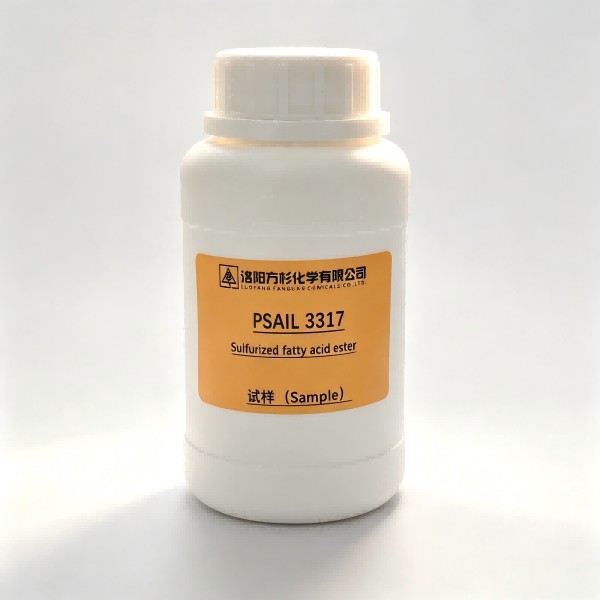
The reaction is typically driven by heat to remove the water formed during condensation, pushing the equilibrium towards the desired imidazoline ring structure. The key variables that influence the outcome include:
- Reactant Molar Ratio: The ratio of oleic acid to the polyamine is a primary determinant of the final product composition. An incorrect ratio can lead to excess unreacted starting materials, which can interfere with performance.
- Reaction Temperature and Time: The temperature profile must be carefully managed. Insufficient heat or time results in an incomplete reaction, leaving behind unreacted acids and amines. Excessive heat can cause degradation, forming undesirable byproducts that can be detrimental to the lubricant.
- Catalyst: While not always used, certain catalysts can facilitate the reaction at lower temperatures or shorten the reaction time. The choice and concentration of a catalyst, if any, can influence the purity of the final product.
- Water Removal: Efficient removal of water is necessary to drive the reaction to completion. This is often achieved under vacuum or by using azeotropic distillation. Inefficient water removal is a common cause of low-purity batches.
A well-controlled imidazoline synthesis process results in a high yield of the target molecule with minimal residual reactants or byproducts. This chemical purity is directly linked to its effectiveness as a oleic acid imidazoline corrosion inhibitor cmet ao and its compatibility within complex formulations.
Answering Key Questions on Synthesis and Quality Control
For a formulator or technical buyer, evaluating a supplier's product goes beyond the data sheet. You need to understand the chemistry behind the numbers. Here are direct answers to common questions regarding the fatty-acid-to-amine synthesis and the analytical indicators used to ensure a consistent, high-quality product.
Technical FAQ: Imidazoline Synthesis and Purity
-
How does the fatty-acid-to-amine molar ratio impact the final product?
The molar ratio is the foundational parameter of the synthesis. A 1:1 molar ratio is the theoretical ideal for producing the imidazoline ring. However, in practice, a slight excess of the amine is sometimes used to ensure all the fatty acid is consumed. If too much amine is used, the final product will have a high residual amine value, which can affect its interaction with other acidic additives. If too much fatty acid is used, the residual acid value will be high, potentially increasing corrosivity and negating the product's purpose.
-
What do residual amine and acid values tell you about the reaction's completion?
These two values are critical indicators of reaction efficiency. Acid Value (AV): A low acid value (measured in mg KOH/g) indicates that nearly all the oleic acid has been converted. A high AV suggests an incomplete reaction or incorrect reactant ratio, leaving free fatty acids that can be corrosive. Amine Value (AV): This value indicates the amount of unreacted amine remaining. A high amine value can signal an incomplete reaction or an initial excess of the amine reactant. The presence of free amines can affect the formulation's overall acid-base balance and may lead to unwanted side reactions with other components like EP additives.
-
What are the primary analytical indicators of batch-to-batch consistency?
Beyond acid and amine values, several analytical techniques provide a deeper look at product consistency. At a minimum, a reliable supplier should utilize: FTIR (Fourier-Transform Infrared Spectroscopy): This method provides a "fingerprint" of the molecule. It is used to confirm the presence of the characteristic imidazoline ring structure and the absence of significant amounts of intermediate products like amides. Consistent FTIR spectra from batch to batch are a strong indicator of a stable manufacturing process. Viscosity: While a physical property, viscosity is very sensitive to molecular structure and the presence of impurities. A consistent viscosity range from lot to lot suggests a uniform product. Appearance and Color: A consistent color and clarity are basic but important first checks for contaminants or product degradation from overheating during synthesis.
Our ISO 9001:2015 certified quality management system ensures these parameters are monitored and controlled for every batch, providing the consistency necessary for high-performance lubricant formulation. For formulators working on new products, our no-MOQ policy and 3-day sample dispatch allow for efficient testing and validation without a large initial commitment.
Common Performance Failures Linked to Impure Imidazoline
When an imidazoline batch is of poor quality, it manifests as tangible problems in the final lubricant. Formulators often spend significant time troubleshooting issues like poor demulsibility, filter blocking, or inadequate corrosion protection, when the real culprit is a single, out-of-spec component. Understanding the link between impurity and failure is key to avoiding these costly setbacks. For those developing high-performance lubricant additive packages & blending solutions, component quality is non-negotiable.
The table below outlines common performance issues and their likely cause related to impure imidazoline.
| Performance Problem | Likely Cause in Imidazoline Synthesis | Impact on Formulation |
|---|---|---|
| Poor Corrosion Inhibition | Incomplete reaction; low concentration of the active imidazoline molecule. | The lubricant fails to protect metal surfaces, leading to rust and degradation, especially in the presence of water. |
| Formation of Sludge or Deposits | Presence of unreacted starting materials or undesirable polymeric byproducts. | Reduces lubricant life, clogs filters, and can lead to equipment malfunction. Affects overall fluid cleanliness. |
| Compatibility Issues | High residual amine or acid value. | The free amine or acid reacts with other additives (e.g., ZDDP, esters), reducing their effectiveness and potentially causing additive drop-out. |
| Poor Demulsibility (Water Separation) | Presence of amide-amine intermediates or other polar impurities. | The lubricant forms stable emulsions with water, reducing its lubricating properties and promoting microbial growth. |
| Fails Four-Ball (PB/PD) or SRV Tests | Impurities interfere with the formation of a stable, protective film on metal surfaces. | Indicates poor anti-wear (AW) or extreme pressure (EP) synergy, leading to increased wear and potential scuffing under load. |
How to Select a Reliable Imidazoline Supplier
Choosing the right supplier is as important as choosing the right molecule. A reliable partner provides more than just a product; they provide consistency, technical support, and a transparent manufacturing process. When evaluating suppliers, technical buyers should look for specific evidence of quality and capability.
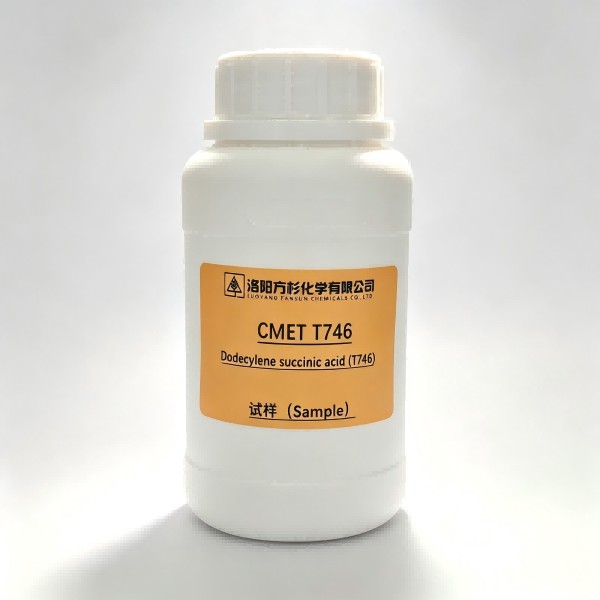
As a professional lubricant additive manufacturer, we believe in demonstrating our commitment to quality through verifiable facts. Our operations are certified under ISO 9001:2015 for quality management, ISO 45001:2018 for occupational health and safety, and ISO 14001:2015 for environmental management. This framework ensures our processes are controlled, safe, and sustainable.
Buyer's Decision Checklist
Use this checklist to assess potential suppliers and reduce your sourcing risk.
- Request a Certificate of Analysis (CoA) for Multiple Batches: Do not rely on a single data sheet. Ask for CoAs from 2-3 different production lots. Check for consistency in key parameters like acid value, amine value, and appearance. Significant variation is a red flag.
- Inquire About Quality Management Systems: Ask if the manufacturer is certified to internationally recognized standards like ISO 9001. This certification indicates a commitment to a documented and repeatable production process.
- Verify Production Capacity and Lead Times: Ensure the supplier can meet your volume requirements without delays. We offer a 3-day lead time for samples and a 7-day lead time for large-volume orders, backed by a production capacity of over 10,000 tons.
- Evaluate Technical Support: Can the supplier's technical team answer detailed questions about the synthesis and application of their product? Our team, led by experts, can assist with everything from product selection to resolving formula matching inquiries.
- Check for Flexible Supply Options: For R&D and pilot blends, a supplier with a "no MOQ" (Minimum Order Quantity) policy is a major advantage. It allows you to test and qualify the product without a significant financial outlay.
- Discuss Return Policies: A reputable supplier will stand behind their product. In the event of a quality issue, we are prepared to negotiate returns to ensure customer satisfaction.
By using this structured approach, you can better identify a supplier who acts as a true partner, providing a consistent supply of high-quality lubricant corrosion inhibitor that strengthens your formulations and protects your customers' equipment.
If you are experiencing formulation challenges or are looking for an import-substitute additive with reliable performance, our team can help. Contact us to discuss your specific application needs or to request a sample of our oleic acid imidazoline for your evaluation.
 WhatsApp
 Email
 +8616638861155