How to Choose a Lubricant Additive Manufacturer
Before issuing an RFQ, buyers should check more than product names and quoted prices. A poor supplier choice can lead to blend instability, incomplete documents, inconsistent batches, delayed export paperwork, or additive performance that does not match the finished lubricant application. Selecting a Lubricant additive manufacturer is therefore a technical sourcing decision, not a simple purchasing task.
For formulators and procurement teams, the best early screening process compares formulation support, documentation discipline, production controls, and export readiness before requesting samples. This approach helps separate suppliers that can support long term blending work from those that can only provide a product list.
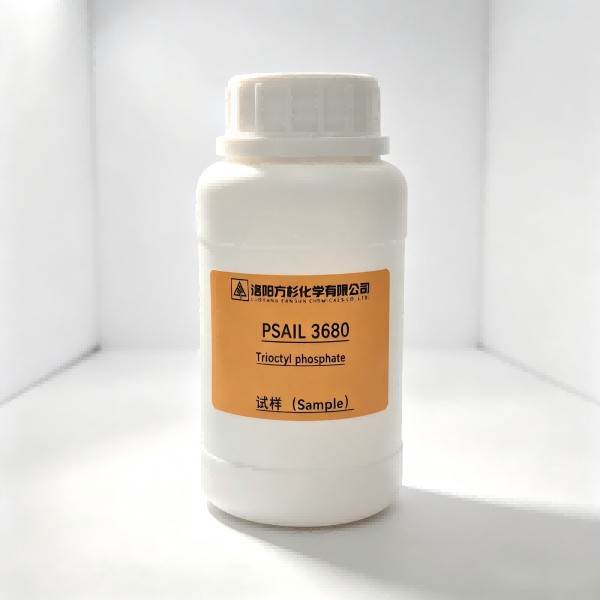
Start With the Finished Lubricant Application
Do not begin by asking only for an additive price. Start with the lubricant you need to formulate, the base oil system, the target operating conditions, and the performance issue that must be addressed. This gives the supplier enough context to recommend either single components or pre designed additive packages.
The conclusion is simple: choose a supplier based on application fit rather than a broad catalog. A corrosion inhibitor, antiwear component, extreme pressure additive, friction modifier, or antioxidant may work well in one formulation but create compatibility issues in another. The right selection depends on the full blend.
| Lubricant Application | Questions for the Supplier | Why It Matters | When a Single Component May Not Fit |
|---|---|---|---|
| Hydraulic oil | Ask about antiwear balance, oxidation resistance, rust prevention, demulsibility, and filter compatibility. | Hydraulic systems require stable performance across long service periods and different operating temperatures. | A single antiwear additive may not provide the oxidation, corrosion, and foam control needed in a finished oil. |
| Industrial gear oil | Ask about extreme pressure performance, wear control, corrosion behavior, and compatibility with the selected base oil. | Gear systems can face high loads, sliding contact, and metal surface protection requirements. | A sulfur or phosphorus component alone may not deliver the desired balance of load carrying and metal protection. |
| Grease | Ask whether the additive is suitable for the thickener system and whether it affects worked consistency or oil separation. | Grease performance depends on both the oil phase and the thickener structure. | Liquid additives that work in oil may require separate evaluation in a grease formulation. |
| Metalworking fluid | Ask about water compatibility, corrosion protection, lubricity, foam behavior, and treatment rate guidance. | Water based systems introduce dilution, microbial control, hard water, and metal staining concerns. | Oil soluble products may not be suitable for aqueous processing fluids. |
For example, a buyer developing industrial gear oil should provide the supplier with the base oil type, viscosity grade, target metal protection needs, and the tests that must be met. If the concern is poor extreme pressure performance, large wear scars, or PB and PD results that do not meet internal requirements, the supplier should understand that before proposing a component.
Fangshan Chemical supplies both individual high-quality lubricant additive components & chemical additives and additive packages. This matters when a buyer needs flexibility. Single components are suitable for formulators with established recipes and laboratory capability, while additive packages are usually more suitable when several functions must be balanced within one treatment plan.
Decide Between Single Components and Additive Packages
The right purchasing format depends on your formulation ownership and testing resources. Buyers should not assume that a lower component price creates a lower total formulation cost. It may increase laboratory work, approval time, inventory complexity, and the risk of interaction between components.
| Buying Option | Best Fit | Buyer Benefit | Limit or Risk |
|---|---|---|---|
| Single additive components | Formulators with proven internal recipes and technical testing capability. | More control over formula design and easier adjustment of one performance area. | Requires compatibility checks, multiple purchase items, and stronger formulation knowledge. |
| Additive packages | Buyers seeking a coordinated system for a specific lubricant application. | Can simplify procurement and reduce the number of components to manage. | May offer less freedom to alter individual functions without supplier consultation. |
| Import substitution proposal | Teams replacing an existing additive due to sourcing, availability, or cost reasons. | Creates a structured comparison path against the current material. | A replacement should not be approved from a product description alone; blend testing remains necessary. |
Choose single components when your laboratory can evaluate blend stability, performance balance, and interactions with existing materials. Choose additive packages when you need a more coordinated approach for hydraulic oil, gear oil, compressor oil, or turbine oil.
For buyers working on hydraulic products, review the supplier’s hydraulic oil additive packages & industrial lubricant solutions alongside the finished oil requirements. For gear oil development, compare package options with the intended base oil and target test sequence rather than selecting solely from a general extreme pressure product category.
At Fangshan Chemical, technical sales support includes single component selection, package formulation consultation, and import substitution discussions. Eric Lee supports lubricant additive selection for hydraulic oil, gear oil, and grease applications. That support is useful at the early evaluation stage, but it does not replace the buyer’s own approval testing in the final formulation.
A Supplier Qualification Checklist for Formulation Capability, Regulatory Documentation, Batch Traceability, and Export Support
Use this checklist before requesting samples or commercial terms. Each item addresses a sourcing risk that may not appear in a quotation.
| Qualification Check | What to Request | Why It Matters | Risk If Skipped |
|---|---|---|---|
| Formulation capability | Ask which lubricant applications the supplier supports, whether it supplies single components or additive packages, and what information it needs before making a recommendation. | A supplier should connect a proposed additive to your base oil, application, and required performance functions. | You may receive a chemically relevant product that does not fit your full formula. |
| Technical documentation | Request a current technical data sheet, safety data sheet, product identification details, handling guidance, and available test information. | Documents help purchasing, laboratory, EHS, logistics, and customs teams review the material using the same reference. | Internal approval can stall when different departments receive incomplete or conflicting information. |
| Regulatory documentation | Ask what regulatory statements, transport information, and chemical documentation can be supplied for the intended destination market. | Export acceptance depends on destination requirements, product classification, and customer compliance procedures. | A shipment may face delays if documents are requested only after an order is ready. |
| Batch traceability | Ask whether the supplier can identify production batches and provide batch related quality records with supplied material. | Traceability allows buyers to compare laboratory results, production outcomes, and later quality findings against a defined batch. | A production issue becomes harder to investigate, isolate, and resolve. |
| Sample control | Confirm sample identification, intended use, requested quantity, and the documents sent with the sample. | The sample tested in your laboratory must be clearly connected to the item quoted later. | Approval work may be repeated if the evaluated sample cannot be matched to the commercial material. |
| Export support | Ask who prepares commercial documents, what lead time applies, and whether the supplier can coordinate export related information. | International sourcing requires alignment between technical, commercial, packing, and transport records. | A suitable additive can still become a delayed project due to incomplete shipping preparation. |
| Quality management | Ask for confirmation of applicable quality and management system certifications. | Certified management systems provide a documented framework for quality, occupational health and safety, and environmental management. | Buyers have less visibility into how the supplier manages process controls and records. |
Fangshan Chemical holds ISO 9001:2015, ISO 45001:2018, and ISO 14001:2015 management system certifications. These certifications are meaningful supplier screening signals, but they should not be treated as automatic proof that a specific additive will pass a particular customer test. Product approval still requires review of the relevant documents and validation in the buyer’s own formulation.
Batch traceability deserves special attention. A certificate or technical sheet can identify a product family, but procurement teams should also ask how the actual delivered batch will be identified. This is especially relevant when a formulation changes, when laboratory results differ from previous trials, or when a finished lubricant customer raises a quality question.
Review Technical Evidence Before Comparing Prices
Price comparison is useful only after the proposed products are technically comparable. A lower quoted price can be misleading if treatment rate, handling needs, blend stability, or additional components differ. Ask suppliers to explain what role each product plays in the finished lubricant.
For industrial lubricant additives, use a structured technical review. The supplier does not need to disclose proprietary formulation details, but it should be able to clarify the intended function, recommended application scope, compatibility questions, and documents available for evaluation.
- For antiwear concerns: ask how the product is intended to support wear control and whether SRV testing, wear scar results, or other application relevant evidence is available. Do not assume results from one base oil apply directly to another.
- For extreme pressure needs: state the required PB and PD performance targets used by your organization. A component with extreme pressure activity may still require other additives for corrosion control and oxidation resistance.
- For friction control: clarify whether the goal is lower friction, stable friction, or a specific friction behavior. Friction modifiers must be evaluated within the full lubricant system.
- For oxidation resistance: ask whether the proposed additive is intended for oxidation control or whether an antioxidant must be added separately. This distinction affects formula design.
- For yellow metal protection: request a discussion of copper and other sensitive metal concerns where relevant. Consider products such as thiadiazole-based metal corrosion inhibitors only after confirming their fit with the lubricant system.
Do not treat a data sheet as a finished lubricant guarantee. The data sheet supports initial screening. Your blend, base oil, process conditions, and end use remain the final decision factors.
Use a Controlled Sample and Quote Request Process
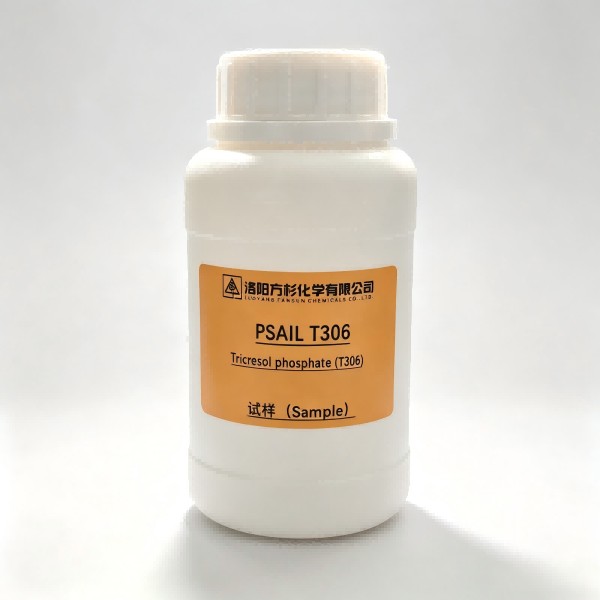
A disciplined request process reduces back and forth communication and produces more useful samples. Fangshan Chemical states that samples can be sent within 3 days and bulk goods within 7 days, with no minimum order quantity. These are practical points for early evaluations and smaller development programs. Buyers should still confirm product availability, packaging, documents, and shipping arrangements for the specific request.
- Define the application. State whether the project concerns hydraulic oil, industrial gear oil, compressor oil, turbine oil, grease, or metalworking fluid.
- Describe the formula framework. Provide base oil type, relevant existing additives, and whether you need a replacement component or a complete package recommendation.
- Identify the problem. Use direct language such as poor extreme pressure performance, large wear scar, inadequate PB or PD result, friction concern, oxidation concern, or metal corrosion issue.
- List approval requirements. Share the internal tests, customer requirements, and document requirements that determine acceptance.
- Request named documents. Ask for the technical data sheet, safety data sheet, sample identification, and available batch related quality information.
- Request a commercial basis separately. Ask for quotation validity, packing options, lead time, delivery terms, and export document support after technical fit is understood.
- Record the sample result. Link laboratory observations and finished lubricant test results to the sample identity and supplier correspondence.
This procedure fits buyers at the supplier evaluation stage. It does not apply when a plant must make an emergency replacement without testing. In that situation, risk is higher, and the buyer should define temporary controls with its technical and quality teams.
Avoid These Common Supplier Evaluation Mistakes
- Comparing price before treatment rate. A lower unit price is not a lower cost if the product requires a different addition level or additional supporting additives.
- Sending an incomplete inquiry. A supplier cannot make a sound recommendation without knowing the lubricant application, base oil system, and performance concern.
- Approving from a brochure. Marketing descriptions are not a substitute for controlled sample testing in the intended formula.
- Ignoring document ownership. Clarify whether procurement, quality, EHS, laboratory, or logistics teams need separate documents before approval.
- Skipping batch identification. Without a clear record, you cannot confidently compare a lab sample with later production supply.
- Assuming every additive is interchangeable. Even similar product categories can differ in handling, chemistry, compatibility, and finished lubricant behavior.
- Waiting to discuss export needs. Export documentation should be raised during supplier screening, not only after purchase order release.
Buyers sourcing friction modifiers may also review organic molybdenum friction modifiers & lubricant additives as part of a wider formula discussion. The product category alone is not the selection decision; its behavior in the target base oil and additive system is what matters.
For an early supplier review, send your application details, required documents, and sample request to Fangshan Chemical for selection advice or a quotation.
 WhatsApp
 Email
 +8616638861155