How to Select the Right Additive Components For Your Hydraulic Fluid
Choosing the correct additive components for a hydraulic fluid formulation is a critical task that directly impacts equipment lifespan, operational efficiency, and maintenance costs. A well-formulated fluid protects against wear, oxidation, and corrosion, but a mismatch can lead to premature component failure, demonstrated by poor extreme pressure (EP) performance or an oversized wear scar in testing. The challenge lies in creating a balanced package where each component works synergistically without degrading the performance of another. This requires a systematic approach grounded in understanding both the chemistry of the additives and the demands of the application.
At Luoyang Fangshan Chemical, our work focuses on providing import-substitute additive products that solve these precise formulation challenges. Our R&D team, which includes more than 30 Ph.D. and master’s degree holders, continuously develops solutions to improve fluid performance under demanding conditions. This guide outlines a practical framework for lubricant additive selection, helping you build a high-performance hydraulic fluid from the base oil up.
Core Functions of Additives in Hydraulic Systems
Before selecting specific chemistries, it is essential to understand the fundamental roles that different additive components play within a hydraulic fluid. The base oil alone cannot provide the necessary protection for modern high-pressure, high-temperature systems. Additives are the functional molecules that deliver targeted performance enhancements.
Key categories include:
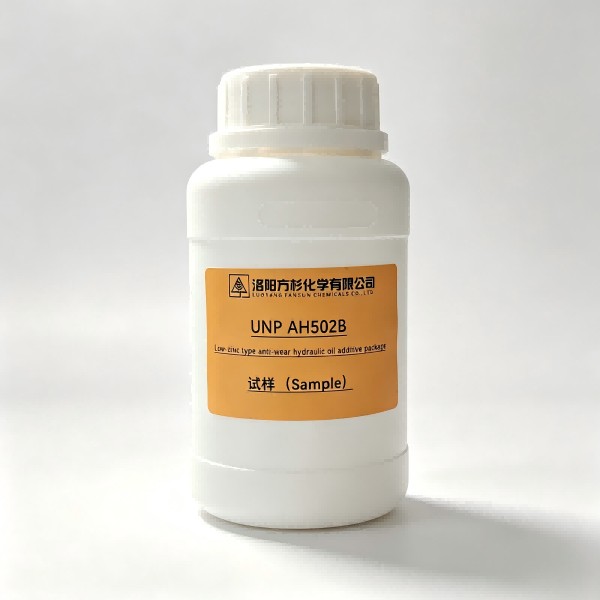
- Antiwear (AW) Agents: These are arguably the most critical additives in hydraulic fluids. They form a protective film on metal surfaces, preventing direct metal-to-metal contact under boundary lubrication conditions. Zinc dialkyldithiophosphates (ZDDPs) have been a longstanding choice, but ashless alternatives like phosphate amine salt ep/aw additives are gaining prominence for specific applications. Proper selection prevents scuffing and excessive wear in pumps and valves.
- Extreme Pressure (EP) Additives: When loads become too high for AW films, EP additives are required. They react chemically with metal surfaces under high heat and pressure to form a sacrificial layer that is softer than the base metal, preventing catastrophic welding and seizure. Sulfur-phosphorus chemistries are common in this category.
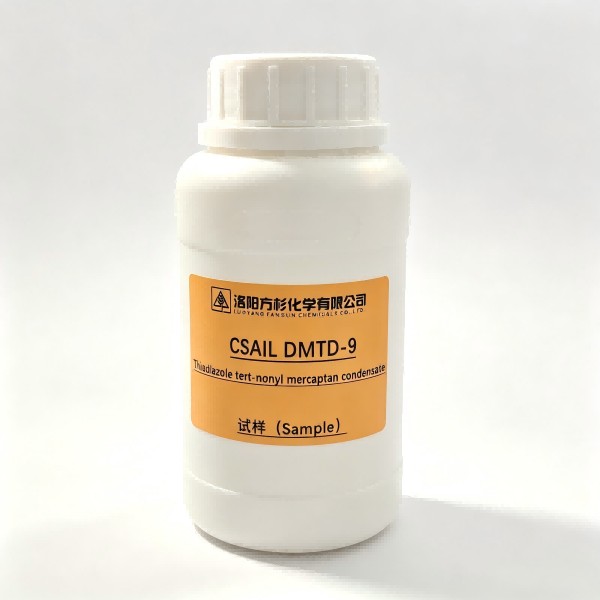
- Rust and Corrosion Inhibitors: These additives protect metal surfaces from attack by moisture and other contaminants. They work by forming a protective barrier on the metal or by neutralizing corrosive acids. Different chemistries are needed to protect ferrous metals versus yellow metals like copper and brass. For instance, thiadiazole-based metal corrosion inhibitors offer excellent protection for yellow metals.
- Oxidation Inhibitors: Hydraulic fluids degrade over time when exposed to heat and oxygen, forming sludge, varnish, and corrosive acids. An effective oxidation inhibitor, such as an aminic or phenolic type, slows this process, extending fluid life and protecting system components. Poor oxidation stability is a primary cause of fluid failure.
- Demulsifiers: Water is a common contaminant in hydraulic systems. Demulsifiers help the fluid separate quickly from water, allowing the water to be drained from the reservoir. This prevents the formation of stable emulsions that have poor lubricity and promote rust.
- Foam Inhibitors: These additives reduce the surface tension of the oil to allow entrained air bubbles to collapse quickly. Foam can cause spongy actuator response and cavitation damage in pumps.
A Condition-Based Method for Lubricant Additive Selection
The most effective hydraulic oil formulation is one that is precisely tailored to its operating environment. A one-size-fits-all approach often leads to either over-engineering (and unnecessary cost) or under-protection (and premature failure). Use the following condition-based method to guide your how to select hydraulic fluid additives process, connecting system demands directly to chemical solutions.
This table breaks down common operational challenges and links them to the appropriate additive strategies.
| Operating Condition | Primary Challenge | Recommended Additive Type | Key Selection Considerations |
|---|---|---|---|
| High Operating Temperature (>80°C) | Accelerated oil oxidation, thermal degradation, varnish and sludge formation. | High-performance aminic or phenolic oxidation inhibitors. | Must have high thermal stability. Check for synergistic effects with AW/EP additives, as some can be antagonistic at high temperatures. |
| High Load / High Pressure | Breakdown of the lubricant film, leading to adhesive wear, scuffing, and seizure. | An effective antiwear additive package, potentially supplemented with an EP agent. | Select based on load-carrying requirements (e.g., FZG or Four-Ball EP tests). Ensure the chemistry is not overly aggressive, which could cause corrosive wear on softer metals. |
| Water Contamination Risk | Emulsion formation, rust, corrosion, and hydrolysis of certain additives (like some esters). | Demulsifiers and potent rust inhibitors. | The demulsifier must be effective without impairing air release or foam control. The rust inhibitor should offer multi-metal protection if needed. Consider using hydrolytically stable base oils and additives. |
| Presence of Yellow Metals (Copper, Brass) | Chemical attack and corrosion from aggressive additives, particularly sulfur-based EP agents. | Yellow metal deactivators (e.g., triazole or thiadiazole derivatives). | The deactivator passivates the metal surface, preventing it from acting as a catalyst for oxidation and protecting it from chemical attack. It must be soluble and stable in the final formulation. |
Common Mistakes in Hydraulic Oil Formulation and How to Avoid Them
Even with a clear understanding of additive functions, formulation pitfalls are common. These errors often surface during performance testing, revealing issues like a high friction coefficient or failure to meet PB/PD load-carrying standards. Awareness of these common mistakes can save significant time and resources in the development process.
-
Mistake 1: Assuming More Additive is Always Better.
Over-treating a fluid, especially with EP/AW agents, can be counterproductive. Excessive concentrations of active sulfur, for example, can become corrosive to yellow metals at higher temperatures. The goal is to find the optimal treat rate that provides protection without causing harm.
Solution: Conduct thorough performance testing (e.g., SRV, Four-Ball) at varying treat rates to identify the "sweet spot." Our technical team can provide guidance on typical treat rates for our products. -
Mistake 2: Ignoring Additive Synergy and Antagonism.
Additive components do not act in isolation. Some combinations are synergistic, where the combined effect is greater than the sum of the parts. Others are antagonistic, where one additive interferes with the function of another. A classic example is the interaction between certain detergents and ZDDP, where the detergent can compete for the metal surface, reducing antiwear performance.
Solution: Work with an experienced supplier who understands these complex interactions. Our expertise in creating balanced high-performance lubricant additive packages is built on managing these chemical relationships. -
Mistake 3: Mismatching the Additive Package to the Base Oil.
The performance of an additive package is intrinsically linked to the quality of the base oil. Using a premium additive package in a low-quality Group I base oil may be wasteful, as the base oil itself will likely be the first point of failure due to poor oxidative and thermal stability.
Solution: Match the performance level of the additive package to the base oil group. High-performance, long-life fluids typically require Group II, Group III, or synthetic base stocks to realize the full potential of the additives.
Verifying Performance: Key Tests for Formulated Fluids
Once a formulation is developed, its performance must be verified through standardized laboratory testing. These tests provide objective data on whether the selected additive components are delivering the desired protection. Our ISO 9001:2015 certified processes ensure that every batch of our additives meets stringent quality standards, delivering predictable and reliable performance in these critical evaluations.
Key performance benchmarks for hydraulic fluids include:
- Wear Protection (ASTM D4172): The Four-Ball Wear test measures the wear scar diameter on steel balls under a specified load, temperature, and duration. A smaller wear scar indicates superior antiwear performance, directly reflecting the effectiveness of the AW additive.
- Extreme Pressure Properties (ASTM D2783): The Four-Ball EP test determines the Load Wear Index (LWI) and weld point of a lubricant. This is crucial for fluids used in high-load applications and demonstrates the capability of the EP additives. Failure to meet PB/PD (Last Non-Seizure Load / Weld Point) specifications indicates an inadequate EP package.
- Oxidation Stability (ASTM D943 / D2272): Tests like the Turbine Oil Stability Test (TOST) and the Rotating Pressure Vessel Oxidation Test (RPVOT) measure the fluid's resistance to oxidation. A longer test life indicates a more effective oxidation inhibitor package and predicts longer service life for the fluid.
- Corrosion Resistance (ASTM D665): This test evaluates the fluid's ability to prevent rusting of steel parts in the presence of water (distilled or synthetic seawater), confirming the performance of the rust inhibitor.
- Demulsibility (ASTM D1401): This test measures how quickly a fluid separates from water. Fast and complete separation is desirable to prevent the formation of performance-degrading emulsions.
A systematic approach to hydraulic oil formulation, guided by operating conditions and validated by performance testing, is the most reliable path to developing a superior fluid. As a professional manufacturer with a production capacity exceeding 10,000 tons annually, we are positioned to be your partner in this process.
We support our global clients with formulation consultations and import substitution solutions. With no MOQ and a 3-day lead time for samples, we make it easy to test and validate our high-quality additive components in your formulations. For technical consultation or to request a sample, please contact our sales engineering team.
 WhatsApp
 Email
 +8616638861155