How to Source Customized lubricant additive solutions for New Fluid Formulations
A lubricant blender can regret an incomplete RFQ long before the first production batch arrives. A request such as “need a better gear oil additive” leaves too much open to interpretation: the base oil may be unsuitable, the target test method may be unclear, the batch size may not match the supplier’s practical supply plan, and the quote may exclude the components needed to solve the real problem.
Customized lubricant additive solutions should therefore be sourced from a defined formulation brief, not from a product name alone. The buyer needs to specify the fluid application, performance gaps, base oil system, approval or regulatory needs, and commercial requirements. This creates quotes that can be compared on the same basis.
Luoyang Fangshan Chemical Co., Ltd. supplies lubricant additives, industrial lubricant additives, additive components, and additive packages for global markets. Established in 2017, the company has functional chemical production capacity exceeding 10,000 tons and an R&D team with more than 30 PhD and master’s degree holders. For buyers assessing a supplier shortlist, those facts matter most when they are matched with a technically complete inquiry.
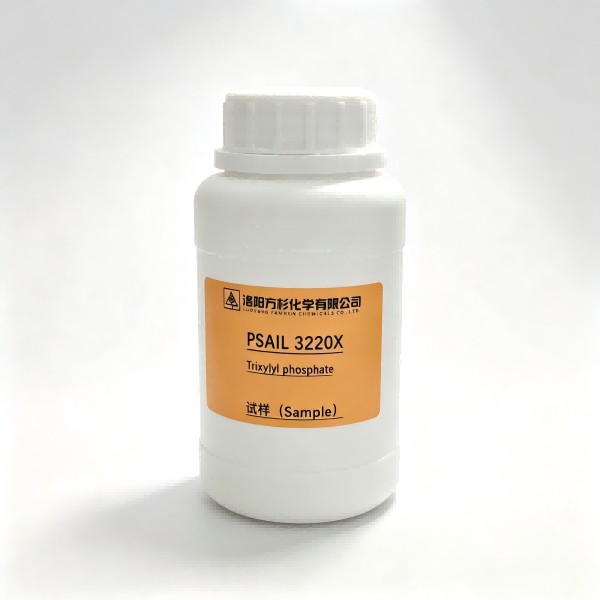
Match the supplier scope to the formulation problem
Start by deciding whether the requirement is for a single additive component, an additive package, or a reformulation discussion around an existing fluid. These are different sourcing tasks. Treating them as identical can produce an unsuitable quote or an additive trial that cannot isolate the cause of a result.
| Requirement type | Best sourcing approach | Information to provide | When this approach does not fit |
|---|---|---|---|
| One missing performance function | Source additive components for a defined role, such as antiwear, extreme pressure, friction control, or corrosion protection. | Current formula, target function, base oil, existing additive interactions, and required test method. | It does not fit when several functions are failing at once and component interactions are unknown. |
| New industrial fluid development | Assess oil additive packages or a combination of compatible components against the intended application. | Fluid category, operating conditions, target properties, base oil, package dosage range, and release requirements. | It does not fit when the buyer only needs to replace one discontinued raw material. |
| Existing fluid reformulation | Define the current performance gap and identify which part of the formula may need adjustment. | Current additive system, issue history, test results, processing conditions, and change limitations. | It does not fit when no baseline formula or retained sample is available for comparison. |
The conclusion is simple: source a package when the application requires several functions to work together, and source a component when the missing function is already known. The reasoning is that a package can simplify the purchasing structure, while a discrete component gives the blender more control over dosage and compatibility. For example, a buyer correcting low load carrying behavior in an otherwise stable formulation may investigate extreme pressure additives rather than replace the entire system. This approach has limits: changing one component can affect demulsibility, corrosion protection, oxidation behavior, or other properties, so the final formula still needs validation.
For buyers building a hydraulic fluid inquiry, the product category page for hydraulic oil packages can help define the relevant package category before an RFQ is issued. For high-load enclosed applications, the page for industrial gear oil packages is a useful starting point for narrowing the fluid type.
Convert performance complaints into measurable acceptance targets
Do not send performance complaints without a test reference. “Wear is too high” and “extreme pressure is poor” describe commercial pain, but they do not give a supplier enough information to recommend a suitable route. State the observed issue, the baseline fluid, the test method, and the acceptance threshold that the new formula must meet.
Common buying triggers include a high friction coefficient, poor extreme pressure performance, an oversized wear scar, unsatisfactory PB or PD results, inadequate SRV test results, and oxidation resistance concerns. Each point needs context. A supplier cannot interpret a wear scar result properly without knowing the test procedure, load, temperature, duration, and the existing formula used as the baseline.
- For friction concerns: provide the friction test method, contact materials, temperature, load, speed, and whether the aim is lower friction or more stable friction. This fits applications where efficiency or smooth engagement matters. It does not apply if the real issue is surface damage caused by insufficient antiwear chemistry.
- For extreme pressure concerns: provide the method used, PB or PD requirement where applicable, the baseline result, and operating load conditions. This fits gear and high-load lubrication work. It does not replace field validation where contamination, water ingress, or mechanical alignment may be the source of failure.
- For oxidation concerns: state the oxidation test method, target service condition, fluid temperature, and existing antioxidant system. This fits long-life industrial fluids. It does not prove storage stability or compatibility with every seal material.
- For corrosion concerns: identify the protected metals, water exposure, test method, and whether the issue occurs in storage, operation, or both. This fits fluids exposed to humidity or mixed-metal systems. It does not solve corrosion caused by uncontrolled process contamination.
When friction control is a defined need, organic molybdenum friction modifiers are one category a buyer may assess. When corrosion protection is part of the same brief, do not assume one additive solves both needs. Include the metals involved and the corrosion test requirement, then assess suitable corrosion inhibitors alongside the friction target.
A sourcing checklist that converts performance targets, base-oil details, regulatory needs, and batch volumes into an RFQ suppliers can quote accurately
Use the following checklist as the RFQ attachment. Its purpose is to make supplier responses comparable. A quote that lacks application conditions, test requirements, or volume assumptions may appear lower in price but may not cover the same technical scope.
| RFQ input | What to state | Why suppliers need it | Limit if omitted |
|---|---|---|---|
| Application and fluid type | State whether the fluid is hydraulic oil, industrial gear oil, compressor oil, turbine oil, grease, or metalworking fluid. | Application defines the performance balance and likely additive route. | A generic recommendation may not fit the duty cycle. |
| Performance target | List required test methods, baseline results, acceptance limits, and priority order if targets conflict. | The supplier can distinguish a friction issue from an antiwear, load carrying, oxidation, or corrosion issue. | Terms such as “better protection” cannot be quoted consistently. |
| Base oil details | Identify base oil type, viscosity grade, blend ratio, and any existing additive system. | Compatibility and solubility depend on the complete fluid system. | Recommendations may require later revision after blending. |
| Existing formulation limits | State ingredients that cannot change, restricted chemistries, color limits, odor limits, or ash requirements. | Constraints prevent unsuitable routes from entering the proposal. | The first proposal may conflict with the buyer’s internal formula rules. |
| Regulatory requirements | List destination market requirements, customer restricted substance lists, labels, and document requests. | Regulatory needs affect material selection and documentation review. | A product recommendation is not evidence of regulatory acceptance. |
| Batch volume | State laboratory quantity, pilot blend quantity, expected order quantity, and forecast timing separately. | Volume affects packaging, logistics planning, and commercial quotation. | A sample request may be mistaken for a production forecast. |
| Commercial terms | State destination, preferred Incoterm, payment expectations, target delivery date, and packaging preference. | Technical suitability alone does not create a usable landed-cost comparison. | Freight and delivery assumptions remain open. |
| Acceptance process | Define who approves the trial, which tests decide acceptance, and how nonconforming material is handled. | Both parties can identify the approval gate before supply. | Disputes can arise from undefined pass or fail criteria. |
The conclusion is that a complete RFQ should separate technical facts from commercial assumptions. This lets a supplier quote the material while the buyer sees exactly what still needs agreement. It is especially useful for procurement teams that must compare several suppliers. It has one limit: an RFQ checklist does not replace blend testing or application validation.
Use supplier evidence to qualify delivery and development fit
Technical suitability is only one part of supplier selection. The buyer should also check whether the supplier can support the required ordering pattern, quality system expectations, and development timeline without assuming capabilities that have not been documented.
Luoyang Fangshan Chemical Co., Ltd. holds ISO 9001:2015, ISO 45001:2018, and ISO 14001:2015 certifications. For a buyer, the practical value is that quality management, occupational health and safety management, and environmental management systems are documented certification areas. This is relevant when a purchasing team has supplier qualification requirements. It does not, by itself, prove that a specific additive will pass a customer’s product test or regulatory review.
The company states that samples can be dispatched within 3 days and bulk orders within 7 days. These timeframes are relevant when the requested product, packaging, destination logistics, and commercial conditions allow the stated dispatch schedule. They should not be treated as a delivery-to-site promise, because transit time, export documentation, and order details are outside a dispatch statement.
There is no minimum order quantity stated in the company brief. This can suit early formulation work or buyers seeking to evaluate an import substitute additive product before moving to a larger order. The limit is commercial rather than technical: the buyer should still request a quote for the exact quantity, packaging, and destination, rather than assume every small order has the same freight or handling cost structure.
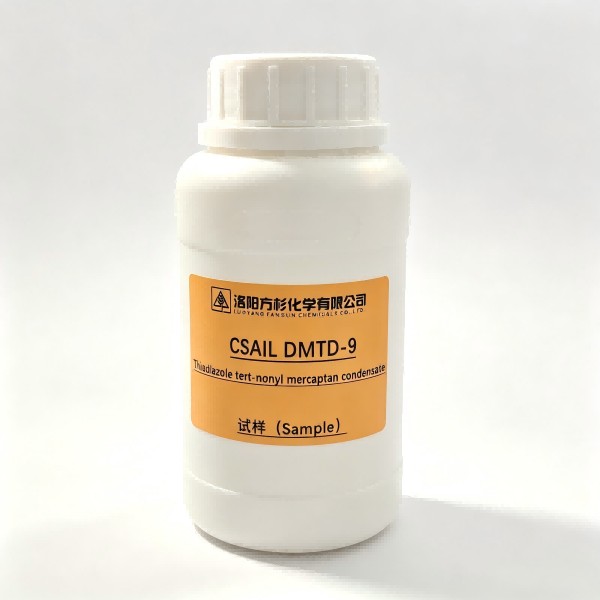
For a broader supplier profile, review the company as a professional lubricant additive manufacturer. Buyers should ask for the documents needed by their own qualification process, such as the applicable product information, certificate copies, safety documentation, and batch-related requirements. Those documents must be reviewed against the buyer’s application; certification and production capacity do not remove that responsibility.
Compare component sourcing against package sourcing before asking for price
Price comparisons are meaningful only after the quotation basis is aligned. A low unit price for a component may require several other purchases and more blending work. A package may reduce purchasing complexity but give the buyer less control over individual ingredients. Neither route is automatically less expensive.
| Commercial factor | Single component route | Additive package route | Buyer decision point |
|---|---|---|---|
| Quoted material price | Quote by the required component and dosage. | Quote by package and treatment rate. | Compare cost in the finished fluid, not price per kilogram alone. |
| Formula control | Higher control over each ingredient and adjustment. | Lower visibility into individual balancing unless details are agreed. | Select components when internal formulation control is required. |
| Procurement complexity | More purchase lines, inventory points, and blending decisions. | Potentially fewer purchase lines. | Select a package when supply simplification has value. |
| Reformulation flexibility | Useful for targeted changes to an established formula. | Useful when several performance functions need coordinated adjustment. | Confirm which formula changes are permitted before trial work. |
| Qualification burden | Each changed component may require assessment. | The package still requires finished-fluid validation. | Do not assume a package removes qualification work. |
A practical costing method is to ask each supplier for the material price, recommended treatment rate, packaging basis, dispatch assumption, and any item excluded from the quote. Then calculate the additive cost per unit of finished lubricant from the stated dosage. This fits sourcing teams comparing alternatives for the same formula target. It does not replace a full landed-cost calculation, which also depends on freight, duties, storage, waste, blending yield, and customer approval costs.
Prevent avoidable RFQ errors before samples or bulk orders
Several common mistakes slow down supplier selection or create trial results that cannot be interpreted. Correcting them before the RFQ saves laboratory time and reduces the chance that commercial quotes are based on different assumptions.
- Do not request “the best additive.” Replace this with a named fluid application, target performance gap, test method, and target result. The first phrase cannot be evaluated; the second can be reviewed. This applies to all new formulations, but it cannot compensate for missing baseline samples or test data.
- Do not omit base oil details. State the base oil system and existing treatment. Additive behavior depends on the blend. This is particularly relevant when a formula is being reformulated rather than created from zero. It does not guarantee compatibility; it provides the starting information needed to assess it.
- Do not compare package prices without dosage. Request a treatment-rate basis and calculate the cost in the finished oil. This suits purchasing comparisons. It does not establish final formula cost until the full blend and logistics costs are known.
- Do not turn a sample dispatch timeline into an approval timeline. A sample may be dispatched within 3 days under the stated company terms, but laboratory testing, blending, internal review, and transport remain separate activities. This distinction matters when a launch date is close.
- Do not leave nonconformance handling unstated. Luoyang Fangshan Chemical states that product quality issues can be addressed through negotiated returns. Define the quality criteria, inspection timing, evidence required, and responsibility allocation in the purchase terms. This helps when both parties need a clear response path; it does not replace mutually agreed contract language.
For a buyer seeking industrial lubricant additives, the strongest RFQ is short but specific: state the fluid, performance target, base oil, restrictions, volume, destination, and acceptance route. That gives the supplier enough information to assess fit without creating unsupported assumptions.
Send your formulation brief to request a quote or a sample discussion for your intended lubricant application.
 WhatsApp
 Email
 +8616638861155