How to Properly Verify Thiadiazole tert-nonyl mercaptan condensate Purity Before Bulk Orders
Placing a bulk order for a metal deactivator based solely on a supplier's Certificate of Analysis (COA) is a significant risk. A seemingly minor deviation in purity or residual reactants in an additive like Thiadiazole tert-nonyl mercaptan condensate can lead to catastrophic batch failures, marked by increased copper corrosion, poor extreme pressure (EP) performance, and incompatibility with other components in your finished lubricant.
The datasheet might promise 99% purity, but that single number doesn't tell the whole story. What about the other 1%? How does the additive behave under thermal stress? Does it synergize or antagonize your existing anti-wear package? Answering these questions before committing to a large volume is not just good practice; it's essential for protecting your production line and your reputation. As a professional manufacturer offering import-substitute additive products, we've seen firsthand the problems that arise from insufficient initial qualification.
This article outlines a practical verification process that goes beyond the COA, helping you match an additive sample to your specific formulation requirements and qualify a supplier for a long-term partnership.
Beyond the COA: Key Performance Indicators for Your Formulation
A supplier’s COA provides a baseline for specifications like appearance, sulfur content, and nitrogen content. However, these figures are only part of the evaluation. A formulator's primary concern is how the additive performs in the final blend. Relying on paper specifications without functional testing can lead to unexpected and costly problems. Your in-house testing should focus on simulating the real-world stresses the finished lubricant will face.
Before requesting a sample, create a checklist of non-negotiable performance criteria. This ensures your evaluation is systematic and directly tied to your product's value proposition.
Buyer's Pre-Sample Evaluation Checklist
- Copper Corrosion (ASTM D130): This is the primary function of a thiadiazole derivative. Does the sample prevent copper strip tarnishing at the specified temperature and duration for your application (e.g., 100°C for 3 hours)? What is the rating? A result of 1a or 1b is typically required.
- Extreme Pressure (EP) & Anti-Wear (AW) Performance: While primarily a metal deactivator, this compound can influence EP/AW properties. How does it affect the Four-Ball Weld Point (PB) and Load Wear Index (PD)? Does it increase or decrease the wear scar diameter (WSD) in SRV or Four-Ball testing? Poor quality additives can sometimes interfere with the function of dedicated explore fanschems oil-soluble sulfur-based ep/aw additives.
- Oxidative Stability: How does the additive hold up under thermal stress? Run a Rotating Pressure Vessel Oxidation Test (RPVOT, ASTM D2272) on a blend containing the sample. A significant drop in oxidation life compared to your current baseline is a major red flag.
- Demulsibility & Water Separability (ASTM D1401): Particularly for hydraulic and turbine oils, the additive should not negatively impact the oil's ability to shed water. Poor demulsibility leads to stable emulsions, promoting rust and lubricant degradation.
- Filterability: Will the additive cause filter plugging, especially in the presence of small amounts of water? This is a critical parameter for modern hydraulic systems with fine filtration.
- Additive Compatibility: Blend the sample into your full formulation. Store it at elevated and low temperatures and check for signs of haze, sediment, or precipitation. Incompatibility can neutralize the effects of other critical components.
A Practical Method for Matching Additive Samples to Formulation Needs
The core of the verification process is translating the supplier's data into your performance reality. The goal is to establish a clear link between a specification on the COA and a functional outcome in your lubricant. If a supplier cannot provide detailed specifications or if their sample fails your functional tests, it's a clear sign to reconsider the partnership.
Here is an action-focused method for connecting a supplier's COA to your internal acceptance testing. This structured approach helps you identify potential risks early.
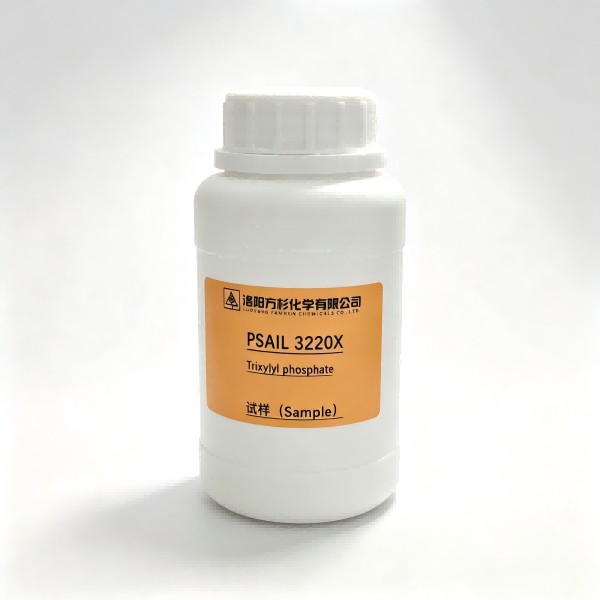
| COA Parameter | What It Indicates | Required Performance Test & Interpretation |
|---|---|---|
| Appearance (e.g., Clear yellow liquid) |
Initial indicator of purity and contamination. Haze, sediment, or dark color can suggest impurities, oxidation, or improper storage. | Test: Visual inspection at room and elevated temperatures. Additive compatibility test. Interpretation: If the sample is hazy or forms sediment when blended, it signals a high risk of filter plugging and incompatibility issues. |
| Sulfur Content (%) | Indicates the concentration of the active chemical structure. Deviations can affect both metal passivation and EP/AW contribution. | Test: ASTM D130 (Copper Corrosion) and Four-Ball EP/AW tests. Interpretation: Unusually high active sulfur can lead to aggressive corrosion of yellow metals (fail D130), while low content may provide insufficient protection. |
| Nitrogen Content (%) | A key part of the thiadiazole ring structure. Consistent nitrogen content is a marker for manufacturing consistency. | Test: Long-term storage stability of the blend; antioxidant performance evaluation. Interpretation: Inconsistent N% batch-to-batch suggests process control issues at the source, which can lead to unpredictable performance. |
| Acid Value (mgKOH/g) | Measures residual acidic components from the manufacturing process. High acid value can be corrosive and interact negatively with other additives. | Test: Demulsibility (ASTM D1401) and compatibility with basic additives (e.g., detergents). Interpretation: A high acid number can destabilize the additive package, leading to sludge formation and poor water separation. It might also indicate a need for a specific thiadiazole-based metal corrosion inhibitors variant. |
Common Mistakes When Sourcing Import-Substitute Additives
Switching from an established, well-known additive source to an import-substitute supplier can yield significant cost savings and supply chain resilience. However, this transition is fraught with potential missteps. Avoiding these common errors is key to a successful partnership.
- Focusing Exclusively on Price: A lower price per kilogram is irrelevant if the treat rate has to be increased or if the additive causes batch rejections. Calculate the total cost of ownership, factoring in performance, treat rate, and potential quality issues.
- Accepting a "Similar" Specification: Do not accept a supplier's claim that their product is an "equivalent" without rigorous testing. Small, unlisted differences in the manufacturing process can result in major performance gaps. Always qualify a sample in your own formulation.
- Ignoring Supplier Technical Depth: A supplier should be more than just a vendor; they should be a technical partner. A lack of formulation support or an inability to answer deep technical questions is a warning sign. Our R&D team, consisting of more than 30 PhD and master’s degree holders, is structured to help clients resolve formula matching and import substitution inquiries.
- Neglecting Supply Chain and Logistical Due Diligence: Can the supplier meet your volume demands? What are their lead times? Do they have robust quality management systems? A reliable supply chain is as important as a quality product.
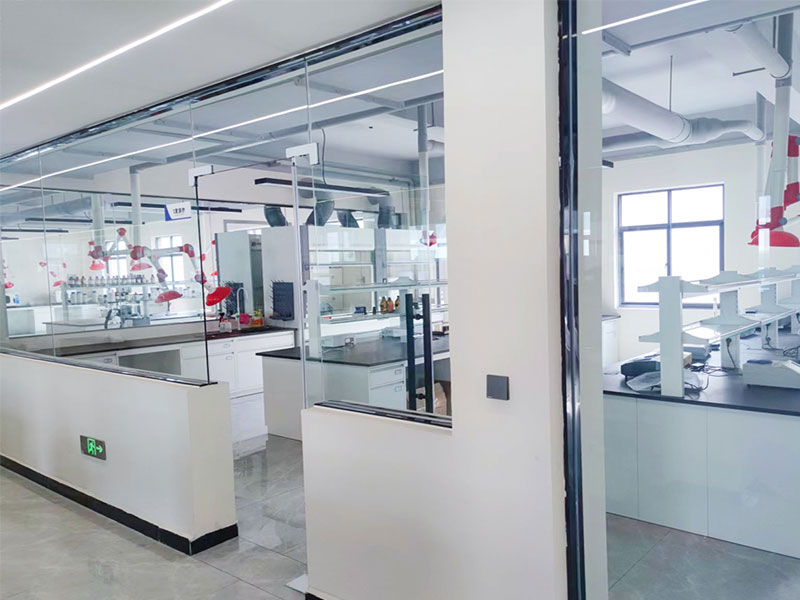
Qualifying Your Supplier: Capacity, Quality, and Logistics
Once a sample has passed your technical evaluation, the final step is to qualify the supplier's operational capabilities. A perfect sample is useless if the supplier cannot deliver consistent quality at production scale or respond to your logistical needs.
At Luoyang Fangshan Chemical, we provide the transparency needed for this stage of your due diligence. Our operational framework is built to support global B2B clients who demand consistency and reliability.
Key Qualification Points:
- Quality Management Systems: A supplier's commitment to quality should be verifiable. Our production facilities are certified to ISO 9001:2015 (Quality Management), ISO 14001:2015 (Environmental Management), and ISO 45001:2018 (Occupational Health and Safety). These certifications ensure that our processes from raw material sourcing to final packaging are documented, controlled, and continuously improved.
- Production Capacity and Scalability: Ensure your supplier can grow with you. With a production capacity for functional chemicals exceeding 10,000 tons annually, we can reliably supply large-scale industrial needs without compromising quality or lead times.
- Flexibility and Lead Times: Modern supply chains require agility. We support this with a no Minimum Order Quantity (MOQ) policy, making us a viable partner for both large blenders and those developing specialized, smaller-batch products. Our streamlined logistics ensure that samples are dispatched within 3 days and bulk orders are ready for shipment within 7 days.
- Return and Resolution Policy: In the rare event of a quality issue, a clear resolution path is essential. We stand behind our products and will negotiate returns for any confirmed product quality problems, ensuring your risk is minimized.
Pairing a successful lab evaluation with a thoroughly vetted supplier is the most effective way to secure your supply chain for critical high-quality lubricant additive components & chemical additives. This dual approach ensures both performance in the blend and reliability in the partnership.
To discuss your specific formulation requirements or to request a sample of our DMTD-9 for evaluation, please contact our technical sales team.
 WhatsApp
 Email
 +8616638861155