Selecting the Right Hydraulic Oil Additive Package for Modern Systems
For formulators and technical procurement teams, the choice between a traditional zinc-based and a modern zinc-free hydraulic oil additive package is a critical decision. This choice directly impacts equipment longevity, operational efficiency, and environmental compliance. While zinc dialkyldithiophosphates (ZDDP) have been the industry standard for decades due to their cost-effectiveness and robust anti-wear properties, evolving regulations and the demands of sophisticated hydraulic systems often necessitate a move towards ashless, zinc-free alternatives. Understanding the trade-offs is key to successful hydraulic fluid formulation.
The core challenge lies in balancing proven performance with new requirements. A failure to select the appropriate chemistry can lead to premature pump wear, system deposits, and costly downtime. As a professional lubricant additive manufacturer, we've seen firsthand how the right additive selection can prevent common field issues. This guide provides a clear, evidence-based comparison to help you determine which technology is best suited for your specific application.
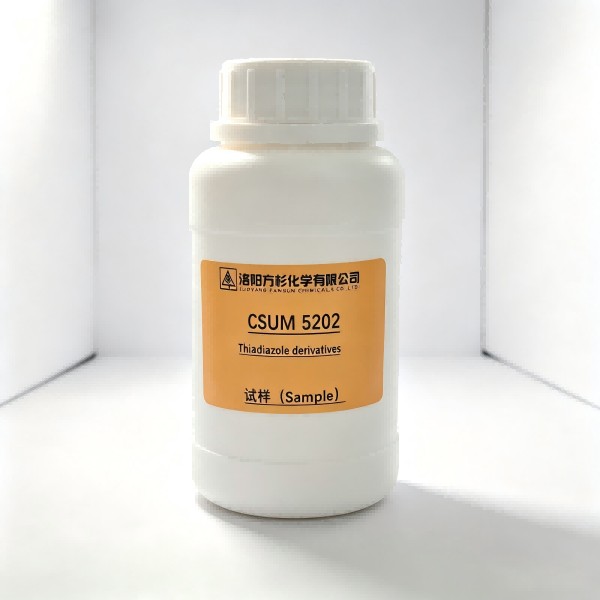
Understanding Core Performance Metrics in Hydraulic Additives
Before comparing zinc and zinc-free technologies, it's essential to define what a high-performing additive package must achieve. These additives are not single components but complex, balanced formulas designed to enhance the properties of the base oil. Their primary function is to protect the hydraulic system from wear, corrosion, and degradation. Key performance indicators are measured through standardized tests and reflect real-world operational stresses.
A well-formulated package delivers measurable improvements in several areas:
- Anti-Wear (AW) and Extreme Pressure (EP) Protection: This is the most critical function. Additives form a protective film on metal surfaces, preventing direct metal-to-metal contact under high loads and pressures. Poor AW/EP performance results in a large wear scar, high friction coefficients, and failure in tests like the Four-Ball (PB/PD) and SRV, indicating inadequate equipment protection.
- Oxidative and Thermal Stability: Hydraulic fluids operate under high temperatures, which can cause the oil to oxidize, leading to the formation of sludge, varnish, and corrosive acids. A quality oil additive package contains antioxidants that slow this degradation process, extending the fluid's service life and protecting system components.
- Corrosion and Rust Inhibition: Water is a common contaminant in hydraulic systems. Corrosion inhibitors protect metal surfaces, particularly yellow metals like brass and bronze, from attack by water and other corrosive byproducts.
- Demulsibility and Hydrolytic Stability: The additive package must be able to manage water contamination. Demulsibility refers to the fluid's ability to separate from water, allowing it to be drained. Hydrolytic stability is the additive's resistance to breaking down in the presence of water, which is crucial for maintaining performance over time.
Achieving excellence across all these metrics requires carefully balanced chemistry. The components within high-performance lubricant additive packages are synergistic, meaning their combined effect is greater than the sum of their individual parts. The choice between zinc and zinc-free chemistries significantly alters this balance.
Zinc-Based vs. Zinc-Free Additives: A Performance Matrix
The decision between zinc-containing and zinc-free hydraulic fluids depends entirely on the application's specific demands, environmental constraints, and system design. ZDDP has long been favored for its dual-functionality as an effective anti-wear agent and antioxidant. However, zinc-free, or ashless hydraulic oil additives, have been developed to meet needs that ZDDP cannot.
The following table provides a direct comparison across key performance and application criteria to guide your selection process.
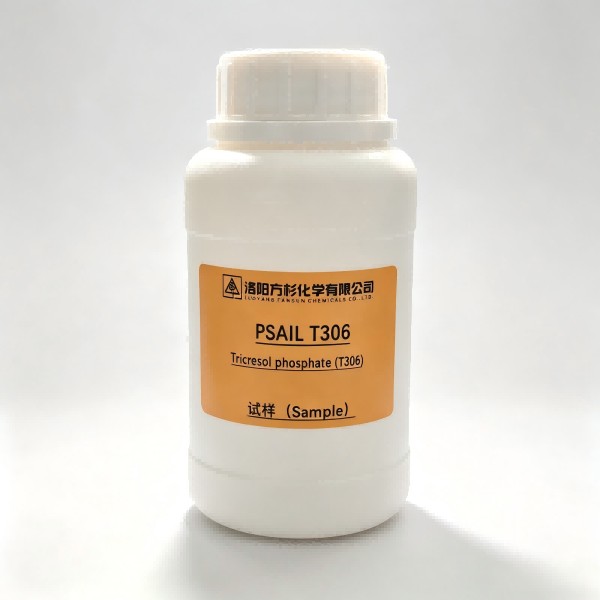
| Performance Attribute | Zinc-Containing (ZDDP-based) Packages | Zinc-Free (Ashless) Packages | Application Considerations |
|---|---|---|---|
| Wear Control | Excellent and cost-effective anti-wear and mild EP performance. Forms a durable sacrificial film on metal surfaces. | Very good to excellent antiwear additive performance, often utilizing advanced sulfur-phosphorus or other chemistries to achieve protection without metal-based compounds. | For general-purpose, high-pressure industrial systems, ZDDP is often sufficient. Zinc-free is preferred for systems with silver-plated components or very fine filtration where deposits are a concern. |
| Hydrolytic Stability | Can be susceptible to hydrolysis (breakdown in the presence of water), which can lead to filter plugging, sludge formation, and corrosion. | Generally superior hydrolytic stability. These packages are more robust in environments with a higher risk of water contamination, maintaining their performance integrity. | In mobile equipment or industrial settings exposed to moisture (e.g., steel mills, paper mills), a zinc-free package offers a significant reliability advantage. |
| Thermal & Oxidative Stability | Good thermal and oxidative stability, providing reliable performance in a wide range of operating temperatures. | Can be formulated for exceptional thermal and oxidative stability, often outperforming standard ZDDP packages and enabling longer drain intervals. | For high-temperature applications or where extended fluid life is a primary goal, high-performance zinc-free formulations are often the better choice. |
| Ash Content | Forms metallic ash upon combustion. This ash can contribute to deposit formation in high-temperature areas like servo valves and pistons. | Ashless. They do not contain metals that form ash, resulting in cleaner systems and better filterability, especially with fine-micron filters. | Modern hydraulic systems with tight-tolerance servo valves are highly sensitive to deposits. Zinc free hydraulic fluid is critical for reliability in these applications. |
| Environmental Impact | Zinc is classified as toxic to aquatic life. Spills or leaks can pose an environmental hazard, restricting use in sensitive areas. | Formulated to have a lower environmental impact. Many are readily biodegradable and are required for use in marine applications or environmentally sensitive land areas. | Mandatory for marine, forestry, and agricultural applications governed by environmental regulations like the EPA's Vessel General Permit (VGP). |
Common Pitfalls in Hydraulic Fluid Formulation and Testing
Selecting the right additive package is only the first step. Proper formulation and testing are essential to ensure the final fluid meets performance targets. Even the best additive package can fail if integrated improperly. Avoiding these common mistakes can save significant time and resources.
- Mistake 1: Underestimating the Impact of Water. Many formulators focus on anti-wear tests but neglect hydrolytic stability. As shown in the comparison, ZDDP-based packages can degrade in the presence of water, forming precipitates that block filters. Recommendation: Always conduct hydrolysis and filterability tests (e.g., Denison HF-0) if the equipment will operate in a humid or wet environment.
- Mistake 2: Mismatching the Additive Package and Base Oil. The performance of an additive is intrinsically linked to the base oil's quality (e.g., API Group I, II, or III). Using a premium, zinc-free additive package in a low-quality Group I base oil with poor oxidative stability is inefficient and costly. Recommendation: Work with your additive supplier to match the package to a suitable base stock. A higher-quality base oil can often enhance the performance of the additives, leading to a more stable final product.
- Mistake 3: Relying Solely on Standard Bench Tests. Tests like Four-Ball or Timken are excellent for quality control and screening, but they don't always predict performance in a specific pump or system. Different pump designs (vane, piston, gear) place different stresses on the fluid. Recommendation: Whenever possible, supplement standard bench tests with application-specific pump tests (e.g., Eaton Vickers V104C). This provides a more accurate picture of real-world high-quality lubricant additive components performance.
- Mistake 4: Overlooking Demulsibility Requirements. In systems where water contamination is inevitable, the fluid must separate from water quickly so it can be drained. Some additive chemistries can form stable emulsions, trapping water within the fluid and accelerating degradation and corrosion. Recommendation: Specify demulsibility targets (ASTM D1401) early in the formulation process, especially for industrial lubricant additives used in large reservoir systems.
A Formulator's Checklist for Sourcing Additive Packages
When you are ready to source an additive package, having a clear set of requirements ensures you partner with a supplier who can meet your technical and operational needs. Our R&D team of over 30 PhD and master’s degree holders often works with customers to refine these specifications, but starting with a clear plan is essential.
Use this checklist to guide your sourcing process:
- Define the Application and Operating Environment.
- What type of hydraulic pump and system is it (vane, piston, gear)?
- What are the maximum operating pressures and temperatures?
- What is the risk of water or other contamination?
- Identify All Performance and Regulatory Requirements.
- Are there specific OEM specifications to meet (e.g., Denison, Eaton, Bosch Rexroth)?
- Are there environmental regulations that mandate a zinc-free or biodegradable fluid?
- What are the targets for wear protection, oxidative life, and filterability?
- Evaluate Potential Supplier Capabilities.
- Quality Management: Is the supplier certified to international standards? Our facilities are certified under ISO 9001:2015, ISO 45001:2018, and ISO 14001:2015, ensuring consistent quality and responsible manufacturing.
- Technical Support: Can the supplier assist with formula compatibility and performance testing? A strong technical partner can help you develop a custom additive package and troubleshoot issues, a core part of our service.
- Supply Chain Reliability: What are their lead times and supply flexibility? We offer a responsive supply chain, with samples dispatched in 3 days and large orders in 7 days, and we have no MOQ requirements.
- Product Portfolio: Do they offer a range of chemistries (zinc-based, zinc-free, components) to provide the optimal solution, rather than forcing a single technology?
- Initiate a Sampling and Testing Program.
- Request a sample of the proposed additive package for evaluation in your laboratory.
- Blend a pilot batch and conduct key performance tests to validate the supplier's claims.
- Confirm compatibility with your chosen base oil and other potential fluid contaminants.
By following a structured approach, you can confidently select a high-performance additive package and a reliable supplier partner, ensuring your finished hydraulic fluid delivers exceptional value and protection.
If you are facing formulation challenges or seeking a reliable import-substitute additive partner, contact our technical team to discuss your requirements and request a sample.
 WhatsApp
 Email
 +8616638861155