Sourcing from an Industrial Oil Additive Manufacturer: Beyond the Quoted Price
Selecting an international supplier for industrial lubricant additives often starts with comparing ex-works (EXW) pricing. A lower per-kilogram cost seems like an obvious win. However, this initial quote is merely the first line item in a much longer list of expenses that determine your true landed cost. Ignoring factors like packaging, freight classification, and supplier flexibility can lead to budget overruns and supply chain disruptions. Before committing to an order, it's essential to look past the sticker price and evaluate the total cost of ownership.
As a professional lubricant additive manufacturer established in 2017, we have seen many buyers focus solely on the initial quote, only to face unexpected costs later. At Luoyang Fangshan Chemical, our approach is to provide transparency and support for global customers seeking reliable import-substitute products. With a production capacity exceeding 10,000 tons for functional chemicals and a commitment to flexible terms like no MOQ, we help you manage costs from the first sample to full-scale production.
Understanding Your Total Landed Cost for Oil Additives
The price on a supplier's quotation is not the price you actually pay. A complete landed-cost analysis reveals the full financial picture, preventing costly surprises. Procurement managers must account for every expense from the factory door to their own warehouse. A seemingly cheaper product from one supplier can easily become more expensive than a competitor's after all costs are considered.
Here is a breakdown of the key factors that influence your final landed cost when sourcing an oil additive package or components:
Landed Cost Component Analysis
- Ex-Works (EXW) Price & Active Content: The base price is the starting point. But you must evaluate it on an active-content basis. A supplier might offer a lower price for a product with a lower concentration of the active chemical. You may end up needing a higher treat rate to achieve the same performance, erasing any initial savings. Always ask for the concentration percentage to calculate the true cost per unit of active ingredient.
- Packaging Options (Drums vs. IBCs): The standard 200L steel drum is common, but Intermediate Bulk Containers (IBCs) holding 1000L can offer significant savings on a per-liter basis. IBCs reduce handling time, minimize residual product waste, and often lower freight costs due to better space optimization in a shipping container. However, they require appropriate unloading equipment at your facility.
- Minimum Order Quantity (MOQ): High MOQs force you to commit significant capital and warehouse space, especially for new formulations or trial runs. We operate with no MOQ, allowing you to order precisely what you need. This flexibility de-risks initial purchases and helps you manage inventory for smaller or specialized production batches.
- Hazardous Goods Classification: Many lubricant additives, such as certain explore fanschems oil-soluble sulfur-based ep/aw additives, are classified as hazardous materials for transport. This classification impacts shipping costs, documentation requirements (like a Material Safety Data Sheet), and carrier selection. A non-hazardous alternative, if available, can drastically reduce logistics expenses.
- Freight & Insurance: Ocean or air freight is a major component of landed cost. The cost varies based on volume, weight, origin, destination, and Incoterms (e.g., FOB, CIF). Always obtain a firm freight quote and ensure your shipment is adequately insured against loss or damage during transit.
- Customs, Duties & Tariffs: Each country has specific import duties and taxes based on the Harmonized System (HS) code of the product. These can add a substantial percentage to your cost. Work with a customs broker to correctly classify the product and understand all applicable tariffs and fees before the shipment departs.
Key Technical Specifications That Impact Performance and Cost
Choosing the lowest-priced additive without scrutinizing its technical performance is a common but costly mistake. A substandard additive can cause equipment failure, increase energy consumption, and lead to premature lubricant degradation—outweighing any initial procurement savings. Our R&D team, which includes more than 30 PhD and master’s degree holders, focuses on developing high-performance formulations that address these critical challenges.
Here are common formulation pitfalls to avoid when evaluating additive suppliers:
Common Formulation Pitfalls and Their Financial Impact
1. Poor Extreme Pressure (EP) Performance
- The Problem: The additive fails to form a resilient protective film under high-load conditions. This is often revealed when the final lubricant does not meet required PB (load-carrying capacity) or PD (weld point) specifications in four-ball testing. The result is a large wear scar and, eventually, catastrophic gear or bearing failure.
- The Cost: The direct cost of equipment repair and downtime far exceeds any savings from a cheap additive. Reputational damage from supplying a faulty lubricant is also a significant risk.
2. High Friction Coefficient
- The Problem: The lubricant fails to adequately reduce friction between moving parts, as shown in SRV testing. This inefficiency translates directly into wasted energy, requiring machinery to work harder and consume more power to produce the same output.
- The Cost: Increased operational expenses due to higher energy consumption. Over time, this hidden cost accumulates, making the "cheaper" lubricant a more expensive choice.
3. Insufficient Oxidation Stability
- The Problem: The additive package lacks effective antioxidants, causing the lubricant to degrade quickly when exposed to heat and air. This leads to sludge formation, increased viscosity, and corrosive acid buildup.
- The Cost: Shorter drain intervals mean more frequent lubricant changes, increasing both material and labor costs. Sludge and acid formation can also damage equipment, leading to expensive maintenance.
A Buyer's Checklist for Qualifying Additive Suppliers
To ensure a stable supply of quality products, it is vital to partner with a capable and reliable professional lubricant additive manufacturer. A thorough qualification process helps you identify suppliers who can meet your technical, commercial, and logistical requirements. Use this checklist as a guide during your evaluation.
| Evaluation Criteria | What to Look For | Why It Matters |
|---|---|---|
| Quality Management Systems | Confirm certifications like ISO 9001:2015 (Quality), ISO 14001:2015 (Environmental), and ISO 45001:2018 (Health & Safety). | Certified systems demonstrate a commitment to consistent product quality, responsible manufacturing, and operational safety. Our facilities are certified to all three standards. |
| Production Capacity & Lead Time | Ask for stated production capacity and standard lead times for both samples and bulk orders. | Ensures the supplier can scale with your demand and meet your production schedule. We offer a 3-day lead time for samples and 7 days for large orders, supported by a capacity of over 10,000 tons. |
| Technical Support & R&D | Does the supplier have an accessible R&D or technical team to assist with formulation, compatibility assessment, and troubleshooting? | Expert support is invaluable for developing new products or finding import substitutes. Our technical team works directly with customers to provide one-stop additive solutions. |
| Commercial Flexibility (MOQ) | Inquire about their Minimum Order Quantity. Is there flexibility for small trial batches or R&D projects? | A "No MOQ" policy, which we offer, significantly reduces your risk and upfront investment, allowing for more agile product development and inventory management. |
| Quality Assurance & Recourse | What is the process if a product does not meet specifications? Is there a clear policy for returns or credits? | A transparent policy for handling quality issues is a sign of a confident and customer-focused supplier. We offer negotiated returns for verified quality problems. |
The Strategic Value of Custom Additive Packages
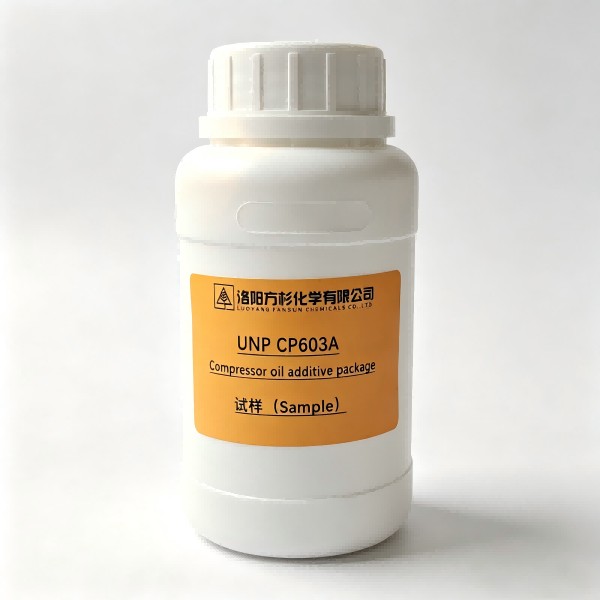
While purchasing individual lubricant additive components offers formulation flexibility, it also introduces complexity. Managing inventory for multiple components, ensuring their compatibility, and perfecting the blending process can be resource-intensive. For many applications, a custom-blended additive package provides a more efficient and cost-effective solution.
Working with a supplier to develop high-performance lubricant additive packages offers several advantages:
- Simplified Logistics: You source, receive, and store one product instead of five or ten. This streamlines procurement and reduces warehousing complexity.
- Guaranteed Performance: A pre-blended package is formulated and tested for synergistic effects, ensuring all components work together to deliver the desired performance without unexpected antagonistic reactions.
- Consistent Quality: Manufacturing a balanced package under controlled conditions leads to higher batch-to-batch consistency than in-house blending, reducing the risk of production errors.
- Optimized Treat Rate: A custom package is designed for a specific base oil and application, ensuring you use the precise amount of additive needed—no more, no less. This prevents over-engineering and minimizes waste.
By collaborating with our technical team, you can develop a solution tailored to your performance targets and cost constraints, simplifying your production process and ensuring reliable results in your finished lubricants.
To discuss your formulation requirements and receive a detailed landed-cost estimate for your next project, contact our engineering team today.
 WhatsApp
 Email
 +8616638861155