Lubricant Additive Supplier China MOQ to Freight Cost Model
Before placing an order, import buyers should look beyond the quoted price per kilogram. A low unit quote can become expensive when a supplier requires a large purchase volume, uses an unsuitable pack format, cannot confirm freight classification, or creates excess inventory that remains unused for months. Those costs often appear after the purchase order is approved.
When comparing a Lubricant additive supplier China quote, the practical question is not simply which supplier offers the lowest material price. The better question is: which quote produces the lowest usable cost for the quantity, formulation, delivery plan, and storage capacity you actually have?
Luoyang Fangshan Chemical Co., Ltd. supplies lubricant additives, industrial lubricant additives, oil additives, additive components, and additive packages. The company was established in 2017 and offers import substitution additive products for global markets. For buyers assessing a new source, its no MOQ policy can reduce the financial exposure created by a supplier quote that exceeds the buyer’s immediate blending demand.
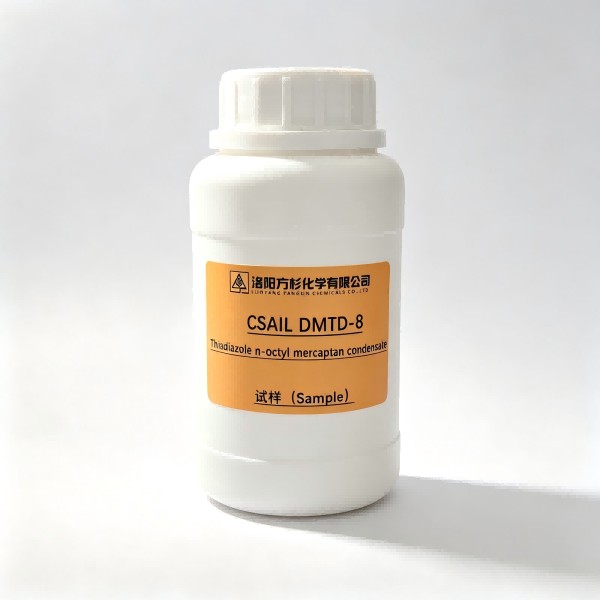
Assess supplier fit before comparing quoted unit prices
A supplier is a practical fit when its product scope, ordering terms, and technical support match the buyer’s actual purchase requirement. This matters especially for buyers who are replacing an existing additive, correcting a formulation issue, or combining several materials in one shipment.
Fangshan Chemical’s range covers both single components and formulated packages. A buyer seeking individual friction modifiers, corrosion inhibitors, extreme pressure agents, or antiwear materials can review lubricant additive components. A buyer that prefers a package approach for a defined lubricant application can instead consider lubricant additive packages.
Recommendation: Request quotes in the same purchasing structure that your plant will use: single additives for internal formulation work, or additive packages for a package-based blending plan. This avoids comparing a component price from one supplier against a package price from another. The comparison is valid only when the products perform the same intended role in the finished oil.
This approach fits buyers with an established formula, a technical team able to evaluate substitution options, or a clear finished-lubricant application. It does not apply when the buyer has not identified the additive function, target oil type, or performance concern. In that case, price comparison should wait until the technical requirement is clarified.
Match the inquiry to the actual application
- Hydraulic oil programs: State the base oil type, application environment, target viscosity grade, and current additive approach. Review hydraulic oil additive packages when a package-based route is under consideration.
- Industrial gear oil programs: Identify whether the concern is load carrying, wear, oxidation, corrosion protection, or a combination of these factors. A low-priced component is not automatically a replacement for a complete gear oil package.
- Grease programs: Confirm whether the proposed material is intended for the base oil phase, thickener system, or finished grease. Some additive choices that work in fluid lubricants may not be suitable for grease processing.
- Metalworking programs: Separate water-based requirements from oil-based requirements before asking for a quote. Buyers can review metalworking fluid additives for the relevant product scope.
Fangshan Chemical has an R&D team of more than 30 PhD and master’s degree holders. For an import substitution discussion, that technical resource is relevant when a buyer needs help matching a single additive or package to an existing product direction. It should not be treated as proof that any proposed substitute will meet a buyer’s finished-product requirements without evaluation.
Use a landed cost model that links MOQ, packaging, freight, consolidation, and inventory
The most useful quote comparison is a landed-cost model. It connects the commercial terms that buyers often evaluate separately: MOQ, pack format, hazardous freight class, shipment consolidation, and inventory carrying cost. These items affect each other. A larger order may reduce freight per kilogram but increase stock exposure. A smaller order may reduce stock exposure but create a higher logistics cost per usable kilogram.
Use the following model for each supplier quote:
| Cost element | What to request | How it affects the buying decision | Limit of the comparison |
|---|---|---|---|
| Material cost | Quoted price, currency, validity period, and quoted quantity | Forms the starting cost of the purchase. | It is not the final cost if freight, handling, or excess stock differs. |
| MOQ exposure | Minimum order requirement by product and pack format | Shows whether the buyer must purchase more material than the production plan requires. | A low MOQ does not remove the need to order an economically workable freight quantity. |
| Pack format | Available package type, net weight, and handling requirements | Changes handling, warehouse use, partial consumption, and shipment planning. | Pack suitability must be confirmed against the buyer’s receiving and dispensing equipment. |
| Hazardous freight class | Freight classification and transport documentation for the exact product | May affect carrier options, surcharge exposure, route planning, and transit arrangements. | Do not assume a classification from product family or product appearance. |
| Shipment consolidation | Whether several ordered products can be shipped together | Can distribute shipment-related cost across more than one needed material. | Consolidation remains subject to compatible freight handling and agreed delivery timing. |
| Inventory carrying cost | Expected consumption rate, storage period, warehouse cost, and capital tied up | Captures the cost of buying surplus material before it is needed. | Each buyer must calculate this from its own financial and storage conditions. |
A practical formula is:
Usable landed cost = material purchase cost + packaging related cost + freight related cost + import related cost + inventory carrying cost − value of usable remaining stock
The last term needs careful treatment. Remaining stock has value only if the buyer expects to use it within an acceptable period and can store it under suitable conditions. If the material may become obsolete because a customer formula changes, its nominal value should not be counted as fully recoverable.
Worked quote evaluation without hiding the exposure
Consider a buyer that needs one additive component for an immediate blending plan and is also sourcing other materials. Supplier A offers a lower unit price but requires an order volume larger than the immediate requirement. Supplier B has a higher unit price but accepts the required quantity and may be able to combine it with other required additives. The buyer should evaluate both options as follows:
- Enter the quantity required for the current production plan.
- Enter the quantity required by each supplier’s ordering terms.
- Identify the unused balance created by the larger purchase.
- Ask whether the material can be consolidated with other purchased products.
- Request the freight classification for each exact product rather than applying one freight assumption to all additives.
- Estimate the internal cost of storing and financing the unused balance until planned consumption.
- Compare the total usable landed cost, not only the supplier’s unit price.
Conclusion: the lower unit price is preferable only when its volume requirement, freight arrangement, and remaining inventory do not outweigh the material saving. This method fits import buyers making purchase decisions across multiple additives. It does not replace product qualification, customs review, or safety documentation review.
Fangshan Chemical states that it has no MOQ. This can be relevant when a buyer needs to limit initial inventory exposure, test an import substitution route, or align purchases with smaller production batches. It is not a promise that every quantity will carry the same freight efficiency or that every package arrangement is available for every product. Those details should be confirmed in the quotation stage.
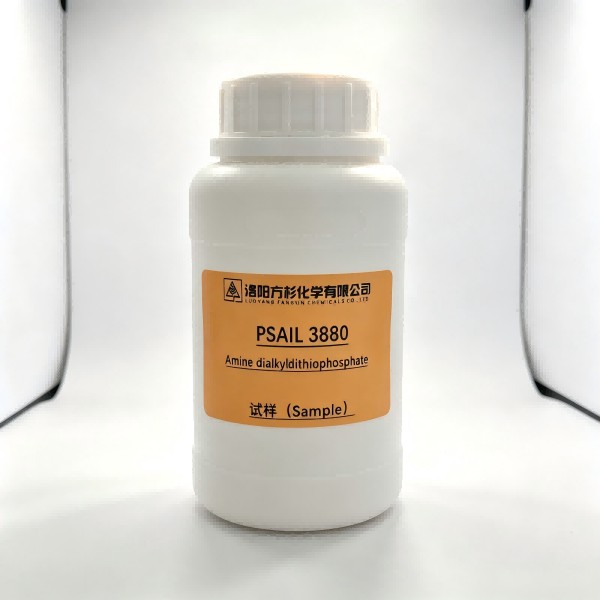
Ask freight and packaging questions before issuing a purchase order
Freight uncertainty is often caused by incomplete inquiries. Buyers should not ask only for an FOB, CIF, or delivered price without confirming what product, quantity, package, and shipping assumptions the quote covers. A quote is comparable only when those conditions are aligned.
Use this pre-negotiation checklist:
- Confirm the exact product name and whether it is a single component or an additive package.
- State the required purchase quantity and the expected annual consumption quantity separately.
- Request the available pack format for the quoted quantity.
- Ask for the hazardous freight class and the documentation applicable to the exact item.
- Specify the intended destination port or delivery location.
- Identify which products may be included in the same shipment.
- Ask whether different products have handling restrictions that affect consolidation.
- Calculate the cost of stock held beyond the immediate production requirement.
- Confirm the commercial terms, payment terms, quote validity, and responsibility for import procedures before release.
Recommendation: send one structured request for quotation rather than separate informal price requests to several sales contacts. A structured request reduces the chance that one supplier prices a small package while another assumes a larger shipment. It fits buyers preparing a supplier comparison sheet. It does not resolve technical equivalence; technical selection still requires the formulation and application details.
Use documented capability signals without assuming unconfirmed services
Supplier claims should be separated into documented facts, commercial conditions, and questions that remain open. This protects the buyer from treating an attractive presentation as evidence of a specific logistics, regulatory, or performance commitment.
| Documented company fact | Buyer relevance | What still needs confirmation |
|---|---|---|
| Established in 2017 | Provides a defined company history for initial supplier review. | The buyer should still confirm the product-specific commercial offer and supply arrangement. |
| Functional chemical production capacity exceeds 10,000 tons | Indicates stated production capacity for functional chemicals. | It does not confirm availability of a particular product on a particular date. |
| More than 30 PhD and master’s degree holders in the R&D team | Supports technical discussions on additive selection and import substitution. | The buyer must still provide technical targets and evaluate any proposed material in its own application. |
| ISO 9001:2015 certification | Relevant to buyers reviewing quality management documentation. | Certification does not define product acceptance criteria for a specific order. |
| ISO 45001:2018 and ISO 14001:2015 certifications | Relevant to occupational health, safety, and environmental management review. | Transport obligations and local import requirements remain buyer-specific matters. |
| Samples can be sent within 3 days and bulk goods within 7 days | Useful for planning an inquiry where timing is a stated consideration. | The buyer should confirm the applicable product, order conditions, shipping arrangement, and timing in the quote. |
These facts help a procurement team establish whether the supplier merits a detailed RFQ. They should not be converted into unverified claims about local stock, destination-country approvals, freight rates, or finished lubricant performance.
Prevent common quote comparison mistakes
Most purchasing errors in this category happen because the buyer compares incomplete commercial inputs. The following mistakes are avoidable.
- Comparing prices at different quantities: A quote for a large purchase cannot be directly compared with a quote for the immediate requirement. Normalize the order quantity or calculate the inventory impact.
- Ignoring excess stock: Material that sits unused consumes warehouse space and working capital. Count the surplus created by the order volume.
- Assuming all additives ship alike: Freight classification must be confirmed item by item. A product category name is not enough.
- Overlooking pack format: A package that is difficult to handle can create avoidable receiving, dispensing, and residual-material issues.
- Combining unlike technical offers: Compare an industrial lubricant additive with another product only after confirming that both address the same formulation need.
- Treating a sample timeline as bulk delivery confirmation: Fangshan Chemical states 3 days for samples and 7 days for bulk goods, but the quoted product and shipment conditions must still be checked before planning production.
- Skipping product acceptance terms: Agree the product identity, documentation, acceptance basis, and responsibility for quality concerns before ordering. Fangshan Chemical states that product quality issues can be addressed through negotiated returns.
For corrosion-related formulation requirements, buyers can also review thiadiazole metal corrosion inhibitors. Where friction and wear control are the central concern, organic molybdenum friction modifiers may be relevant to the sourcing discussion. Product selection must remain tied to the finished oil application and required evaluation plan.
Build an RFQ that gives a supplier enough information to quote responsibly
A useful RFQ gives the supplier the details needed to address both product selection and the landed-cost model. It also gives the buyer a cleaner basis for supplier comparison.
- Identify the finished lubricant application and the function required from the additive.
- State whether the request is for a single component, an oil additive package, or an import substitution proposal.
- Provide the required order quantity and expected repeat demand without presenting them as the same figure.
- State the destination and preferred commercial term.
- Request pack format, hazardous freight class, and shipment consolidation options.
- Ask for product documentation relevant to your internal approval process.
- Define the technical information needed to assess suitability, including any known friction, extreme pressure, wear, oxidation, or corrosion concerns.
- Request a separate line for freight assumptions so they can be audited against other quotes.
- Clarify the proposed acceptance basis and process for handling a documented product quality issue.
Buyers looking for a supplier with no MOQ, stated sample dispatch within 3 days, and stated bulk dispatch within 7 days may find Fangshan Chemical suitable for an initial quote review. The final decision should still depend on product suitability, pack availability, freight classification, consolidation feasibility, and the buyer’s own inventory cost.
Send your required additive, quantity, destination, and pack preference to request a quote structured around usable landed cost.
 WhatsApp
 Email
 +8616638861155