Match a Slideway Oil Additive to Way Materials
Which additive chemistry should a blender select when a machine-tool guideway uses steel, cast iron, a polymer liner, or more than one material? The answer depends on the contact pair, the machine’s low-speed behavior, oil retention needs, corrosion exposure, and the test method used to verify the blend. A Slideway oil additive should therefore be selected from the actual sliding interface rather than from a broad “way oil” label.
This guide is for lubricant blenders and OEM service teams at the technical comparison stage before bench testing. The goal is to create a short, defensible additive shortlist, identify chemistry that may create a material-compatibility risk, and define what to verify before moving into formulation trials.
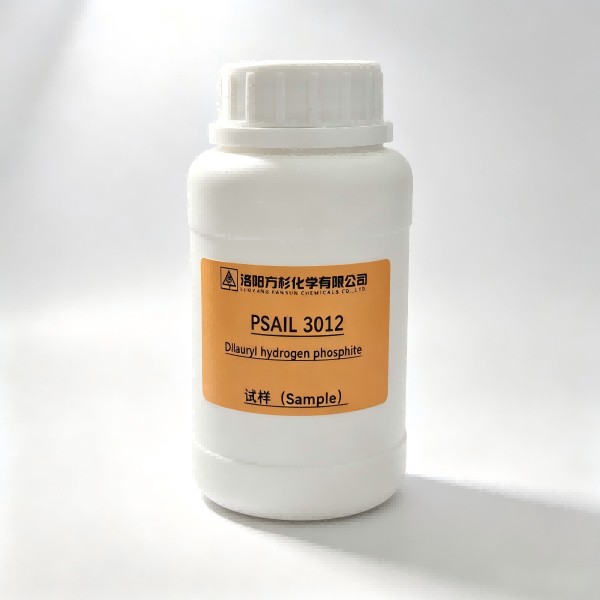
Define the contact pair before selecting chemistry
The first task is not choosing an additive. It is identifying what actually slides against what. A guideway described as “cast iron” may include a steel carriage, a coated surface, or a polymer strip. A machine described as “steel ways” may contain seals, paint, non-ferrous parts, and circulating-oil components that also contact the lubricant.
Conclusion: build the selection around the full wetted system, not only the visible guideway surface. This approach fits machine-tool service teams handling replacement oils, reformulations, and import-substitution work. It does not replace confirmation of the OEM lubricant specification, polymer grade, seal material, or machine operating instructions where those documents are available.
Information that must be available before formulation
- Primary sliding materials: record both moving and stationary surfaces, such as steel-on-steel, steel-on-cast iron, or steel-on-polymer.
- Surface condition: identify whether the ways are ground, scraped, coated, repaired, worn, or lined with a bonded polymer material.
- Lubrication arrangement: confirm whether the oil is lost total-loss lubrication, recirculated, centrally supplied, or exposed to contamination from metalworking fluid.
- Observed failure mode: separate stick-slip, high friction, poor oil retention, corrosion, excessive wear scar results, weak extreme-pressure results, and oxidation concerns. These symptoms do not always have the same additive solution.
- Existing fluid reference: collect the current oil data sheet, used-oil observations, and any available friction, SRV, wear scar, PB/PD, corrosion, or oxidation test records.
The material pair and the failure mode are blockers. Without them, a supplier can propose chemistry families, but cannot responsibly confirm final additive concentration or compatibility. Oil color, odor, or a general statement that the machine is “old” can be useful background, yet they do not identify the correct additive path.
For a starting component review, compare available high-quality lubricant additive components by functional purpose: friction control, anti-wear support, extreme-pressure support, corrosion protection, oxidation control, and oil-film retention. Do not assume that the strongest EP response will provide the best low-speed slideway behavior.
Use a material-pairing matrix for steel, cast iron, polymer-lined, and mixed-material slideways
The matrix below provides a practical comparison point for steel-on-steel, cast iron, polymer-lined, and mixed-material slideways. It is intended to guide a screening plan. It does not establish an approved formula, because base oil composition, treat level, seal exposure, machine load, and operating temperature must still be checked.
| Guideway material pair | Primary selection target | Additive functions to screen | What to check before approval | When this route may not apply |
|---|---|---|---|---|
| Steel-on-steel | Stable low-speed friction with anti-wear support at loaded contact points | Friction modifier, anti-wear chemistry, oxidation support, and controlled oil-film retention | Stick-slip during reversal, wear evidence, SRV trend where relevant, and whether the additive package affects corrosion protection | Do not rely on this route alone when the actual sliding surface includes a polymer liner, coating, or non-ferrous component |
| Cast iron guideways | Oil retention on textured or scraped surfaces while limiting corrosion risk | Adhesion or tack support, anti-wear chemistry, rust inhibition, and friction control | Whether the oil stays on vertical or intermittent-contact surfaces, signs of rust, and interaction with coolant carryover | Do not treat all cast iron systems alike if a steel saddle, polymer strip, or coating carries the main sliding load |
| Polymer-lined guideways | Controlled friction without swelling, softening, staining, or loss of liner bond integrity | Material-compatible friction control, oil-film retention, corrosion protection for adjacent metal, and carefully screened anti-wear chemistry | Polymer identity, adhesive system, seal compatibility, liner appearance after exposure, and low-speed motion stability | Do not select solely from steel-way results; polymer compatibility must be confirmed with representative material exposure and motion testing |
| Mixed-material slideways | Balanced behavior across every wetted contact rather than maximum performance on only one pair | Moderate friction control, anti-wear support, corrosion inhibition, oxidation support, and retention control | Each material interface, including steel, cast iron, polymer, seals, coatings, and any yellow-metal-containing circulating system parts | Do not use a single-component answer without a compatibility map and a defined bench-test sequence |
Steel-on-steel: prioritize low-speed friction stability and anti-wear support. This fits loaded sliding systems where metal contact can occur at start-up, reversal, or low feed movement. The limit is that higher-load additive chemistry may change friction behavior or affect other materials. Verify the result in a formulation, not by treating a component result as a finished-oil result.
Cast iron: give more attention to oil retention and corrosion control. Cast iron surfaces can hold lubricant differently from polished steel, particularly when surface texture or scraping is present. A friction modifier may improve motion behavior, but it cannot compensate for poor retention or water contamination. Where corrosion is part of the risk profile, screen thiadiazole-based metal corrosion inhibitors with the rest of the blend rather than adding corrosion chemistry after friction testing is complete.
Polymer-lined ways: begin with compatibility. The best friction response on a metal-only rig is not sufficient evidence for a polymer-lined machine. Obtain the liner identification if possible. If it cannot be obtained, retain a representative material sample or consult the OEM before making a broad claim. An oil that produces acceptable friction but changes liner appearance, hardness, bond condition, or dimensions is not an acceptable result.
Mixed-material systems: use the strictest compatibility requirement in the system as the selection boundary. This is usually the polymer liner, coating, seal, or corrosion-sensitive component rather than the steel rail. The practical target is balance: adequate oil retention, controlled friction, anti-wear behavior, and acceptable corrosion control across all exposed materials.
Build the additive shortlist in a workable sequence
Start with functions, then compare candidate chemistries. Adding components one by one without a defined order makes it difficult to identify which change caused a friction shift, a corrosion issue, or poorer oxidation behavior.
- Set the base oil and target application. Confirm whether the blend is dedicated way oil, a multifunctional fluid, or a fluid exposed to coolant contamination. Successful progress means the application boundary is written down. A common mistake is screening an additive in a base oil that will not be used in the final blend.
- Choose the primary friction-control route. For steel and cast iron contacts, screen friction modifiers that aim to reduce unstable low-speed motion. For polymer-lined ways, place material compatibility ahead of friction improvement. Organic molybdenum friction modifiers may be part of a screening discussion where their compatibility and finished-fluid behavior are verified; they are not a universal answer for every polymer-lined system.
- Add anti-wear or EP support only after defining the load concern. Large wear scars, poor PB/PD results, or visible scuffing can indicate a need to review anti-wear or EP chemistry. However, PB/PD results alone do not prove acceptable slideway friction. Screen phosphate amine salt ep/aw additives where the formula needs anti-wear support, then evaluate their interaction with the friction-control system and all wetted materials.
- Address oil retention for the actual way orientation. A vertical or intermittently lubricated way needs a different retention check from a flooded horizontal guideway. Compare oil film persistence, drip behavior, and the tendency for oil to be displaced during motion. More adhesion is not automatically better if it interferes with oil delivery or changes low-speed movement.
- Build corrosion and oxidation protection around exposure conditions. If coolant, moisture, storage, or metalworking contamination is expected, test corrosion protection in the complete fluid. If oxidation stability is a stated concern, test the full package rather than assuming that a friction modifier or EP component supplies that protection.
- Freeze one formula for comparison. Change one functional variable at a time during early screening. This creates a useful record of whether a change in friction, wear, corrosion, or appearance came from the friction modifier, AW/EP route, corrosion inhibitor, or retention component.
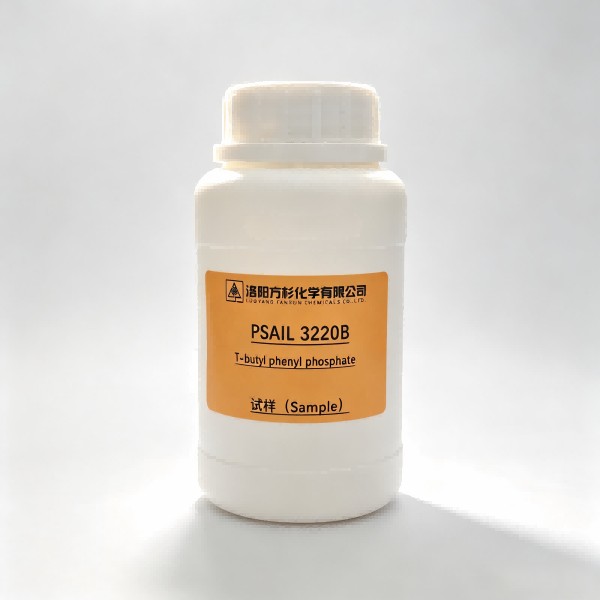
Verify the blend with tests that match the failure risk
A valid selection is not simply a blend with a lower friction value on one instrument. It is a formula that meets the defined motion, wear, corrosion, retention, and material-compatibility checks for its intended guideway system.
Conclusion: use a tiered test plan. Start with controlled screening, then confirm the highest-risk interaction in a representative machine or application test. This method suits a pre-production formulation program. It does not replace a customer’s OEM acceptance method when that method is specified.
| Observed issue or requirement | Useful verification focus | What a pass should show | Recovery if it fails |
|---|---|---|---|
| Stick-slip or unstable low-speed movement | Low-speed reversal and motion stability on representative guideway materials | Consistent movement without objectionable hesitation, grab, or changing feel during repeated cycles | Revisit the friction-control route, oil retention balance, and actual surface pair |
| Large wear scar or visible scuffing | Wear evaluation and an appropriate anti-wear or EP screen | No unacceptable wear trend compared with the agreed reference fluid | Review AW or EP selection, base oil, contamination, load condition, and whether the test represents guideway contact |
| Poor PB/PD result | EP screening combined with guideway-friction verification | Improved load-carrying screen result without causing an unacceptable friction or compatibility outcome | Do not simply increase EP chemistry; reassess the balance with friction modifier and material compatibility |
| Rust, staining, or coolant contamination concern | Corrosion testing with the finished fluid and relevant metal coupons | No unacceptable corrosion or appearance change under the agreed exposure method | Recheck inhibitor selection, water contamination, storage conditions, and metal combinations |
| Polymer-lined way concern | Fluid exposure and motion testing using representative polymer and adhesive system where available | No unacceptable softening, swelling, surface change, bond damage, or motion instability | Remove the incompatible candidate and restart from the polymer compatibility boundary |
SRV testing can be useful for comparing friction and wear tendencies under defined laboratory conditions. Its limit is representativeness: the contact geometry, sliding speed, material pair, and lubrication method may differ from an actual guideway. Use SRV as a screening tool, then confirm with a test that better reflects the machine’s low-speed reversal and oil-delivery conditions.
Avoid selection mistakes that delay bench testing
- Mistake: treating PB/PD as the only selection gate. PB/PD can help assess an EP route, but it does not directly establish stick-slip control, polymer compatibility, or oil retention. Recovery: pair it with friction and material checks.
- Mistake: selecting by way-metal name alone. “Cast iron way” may conceal steel, liner, coating, or seal contact. Recovery: create a wetted-material list before selecting additive chemistry.
- Mistake: adding tack support without checking oil delivery. Better retention may not improve a system if distribution to the contact becomes less consistent. Recovery: inspect both persistence and delivery in the intended lubrication arrangement.
- Mistake: testing friction control before corrosion and compatibility. A strong friction result is not useful if the complete blend creates corrosion risk or changes a polymer liner. Recovery: run these checks in parallel once the first shortlist is defined.
- Mistake: changing several components at once. The result cannot show which component caused the improvement or failure. Recovery: use a controlled formulation matrix and preserve a reference blend.
For formulation teams that need both single components and package-level comparison, Fangshan Chemical offers additive components and high-performance lubricant additive packages for blending discussions. Our functional chemical production capacity exceeds 10,000 tons, supporting project continuity when a laboratory-screened route moves toward commercial supply.
Set a practical sourcing and handover plan after the shortlist passes
Once a candidate formula meets the agreed screening checks, prepare the handover package before requesting larger quantities. The package should state the material pair, base oil, component list, selected test methods, reference fluid, observed results, and unresolved limits. This prevents a purchasing decision from being separated from the technical boundary that made the formula acceptable.
Luoyang Fangshan Chemical Co., Ltd. operates management systems certified to ISO 9001:2015, ISO 45001:2018, and ISO 14001:2015. For early-stage screening, there is no MOQ, and samples can be dispatched within 3 days. Bulk goods can be dispatched within 7 days. These stated lead times support evaluation planning, but the final test program should still be agreed before a blend is released for wider use.
If a product quality issue is identified, it should be documented with retained samples, batch information, and agreed test evidence so that a return can be discussed through consultation. This process is more useful than relying on a verbal report of “poor lubrication,” which does not identify whether the cause is friction, wear, contamination, material mismatch, or operating conditions.
Send your guideway material list, current oil type, and target test method to request selection advice or a sample for bench screening.
 WhatsApp
 Email
 +8616638861155