When Molybdenum dithiocarbamate (MoDTC) and ZDDP Work Together
Can a friction modifier and an antiwear additive improve the same lubricated contact, or will one reduce the benefit of the other? This is the practical question behind combining Molybdenum dithiocarbamate (MoDTC) with ZDDP in engine oils and other high-load lubricant formulations.
The answer is conditional. MoDTC and ZDDP can work together when their reaction products form a compatible surface film under the actual temperature, load, speed, base oil, and additive environment of the finished lubricant. They can also produce disappointing results when the formulation lacks sufficient activation conditions, contains competing surface-active materials, or is judged using only one test result.
For procurement teams, the right decision is not simply whether to purchase both components. It is whether the selected zinc dialkyldithiophosphate additive, organic molybdenum chemistry, base oil, dispersant system, antioxidant system, and target application can produce stable performance as one package. This requires a controlled screening plan rather than component-by-component assumptions.
What Each Additive Is Expected to Do in a Finished Lubricant
ZDDP is widely used as an antiwear and antioxidant component. Under tribological stress, it can contribute to protective films on loaded metal surfaces. Its performance depends on its chemistry, concentration, thermal environment, contact conditions, and interactions with the rest of the formulation.
MoDTC is generally selected when a formulator seeks friction reduction through molybdenum-containing surface reaction products. It is not a direct substitute for every antiwear component. Its contribution is often most relevant where the contact reaches conditions that support friction-modifying film formation.
| Formulation component | Primary formulation purpose | What to assess during development | Where it may not be sufficient alone |
|---|---|---|---|
| ZDDP | Antiwear support and oxidation control | Wear response, oxidation behavior, deposit tendency, and compatibility with other additives | When lower friction is a separate requirement or when the contact needs a different friction modifier |
| MoDTC | Friction reduction under suitable boundary lubrication conditions | Friction response, molybdenum retention, oxidation stability, and interaction with antiwear chemistry | When operating conditions do not activate an effective molybdenum-containing film |
| Base oil | Carrier fluid, viscosity contribution, solvency, and thermal behavior | Solubility, additive clarity, storage stability, and finished-oil consistency | When poor solvency or instability prevents additives from remaining uniformly available |
| Dispersant and detergent system | Deposit control and contaminant management | Surface competition, compatibility, and effect on friction and wear tests | When surface-active materials interfere with intended tribofilm formation |
The practical conclusion is simple: select the pair for a finished formulation, not for a theoretical additive list. A strong individual data sheet cannot prove that the same component will work in a different detergent level, base oil blend, or viscosity grade.
This approach fits lubricant developers preparing comparative blends and technical buyers reviewing an antiwear additive package before sample approval. It does not apply when a project requires a one-component replacement without trial work. In that situation, compatibility and performance must still be validated in the target oil.
When MoDTC ZDDP Interactions Improve Tribofilm Performance and When Formulation Conditions Limit Results
MoDTC-ZDDP interaction can be favorable because the additives may contribute different reaction pathways at the metal interface. ZDDP can support an antiwear film, while molybdenum chemistry may contribute lower-friction surface species under suitable conditions. The result can be a more useful tribofilm than either additive provides in isolation, but only if the chemistry is available at the contact and the operating environment supports film formation.
| Formulation or operating condition | Likely interaction outcome | Why it matters | Action for the development team |
|---|---|---|---|
| Appropriate balance of ZDDP and molybdenum chemistry | Potentially favorable tribofilm formation | Both additive families can contribute functions at the loaded surface | Screen the pair against single-additive reference blends using the same base oil and additive system |
| Boundary lubrication and sufficient contact stress | Greater opportunity for surface reaction products to form | Tribofilms are relevant when fluid-film separation is limited | Use test methods that represent the expected contact regime rather than relying on bulk oil properties |
| Compatible base oil solvency | More reliable additive availability | Cloudiness, separation, or poor dissolution can change delivered chemistry at the contact | Check blend clarity, storage appearance, and repeatability before interpreting tribology results |
| High level of competing surface-active additives | Reduced or inconsistent friction benefit | Other additives may compete for metal surfaces or alter reaction pathways | Use staged addition and controlled comparison blends to identify the source of interference |
| Insufficient activation conditions | Little measurable molybdenum benefit | The intended reaction products may not form under the selected test or service condition | Review temperature, load, speed, duration, and contact metallurgy for relevance |
| Oxidative stress beyond package capability | Performance may decline during use | Additive depletion or degradation can change friction and wear behavior over time | Evaluate oxidation performance alongside friction and wear, not as a separate afterthought |
The boundary is clear. A positive interaction is plausible when the formulation can form and retain a useful mixed film under realistic boundary conditions. It is limited when the additives are incompatible in the blend, when competing chemistry dominates the surface, or when the selected test does not reproduce the intended operating regime.
Do not treat lower friction as proof of lower wear. A blend can show an improved friction signal while still requiring confirmation through wear scar observations, extreme-pressure evaluation, and oxidation assessment. Likewise, a favorable wear result does not automatically establish that the friction modifier has delivered a meaningful efficiency benefit.
For projects involving high-load contacts, the screening program should include the tests that matter to the specification. The company brief identifies SRV testing, friction coefficient, wear scar, PB/PD performance, extreme-pressure behavior, and oxidation performance as relevant evaluation areas. Use these results as a connected decision set.
How to Build a Controlled Compatibility Trial
The best way to judge this additive combination is a structured comparison. Change one variable at a time. If several components change at once, the trial cannot show whether the result came from ZDDP chemistry, molybdenum chemistry, the base oil, or another additive.
- Define the application target. State whether the lubricant is intended for engine oil, hydraulic oil, industrial gear oil, grease, or another application. Identify the dominant concern: friction, wear, extreme pressure, oxidation, corrosion control, or a combination.
- Freeze the reference formulation. Select one base oil system and maintain the same viscosity target, dispersant level, detergent system, antioxidant approach, and corrosion inhibitor approach across initial blends.
- Prepare a baseline without the molybdenum component. This establishes the performance contribution of the selected ZDDP-containing system.
- Prepare a comparison blend with MoDTC. Add the organic molybdenum component while holding all other variables constant. Record blending order, appearance, and any stability observations.
- Test friction and wear together. Evaluate friction coefficient and wear scar response in the same development phase. If the application requires extreme-pressure capability, include the relevant PB/PD assessment.
- Review oxidation behavior. A friction benefit that does not remain stable after oxidation exposure may not meet service requirements.
- Inspect repeatability. Repeat the most promising blend. A single favorable result can be misleading if blend preparation or test conditions vary.
- Assess formulation tradeoffs. Confirm that the selected pair does not create unacceptable corrosion, storage stability, deposit, or compatibility concerns.
This procedure fits evaluation-stage teams comparing multifunctional additive combinations. It is less suitable for emergency production changes where no laboratory work is possible. In those cases, a conservative formulation change with clear incoming inspection controls is safer than assuming a performance gain.
For developers selecting organic molybdenum options, review the available organic molybdenum friction modifiers & lubricant additives alongside the rest of the package. The molybdenum component should be assessed as part of the total formulation, not in isolation.
Common Formulation Mistakes That Hide the Real Result
- Comparing blends with multiple changes. If the ZDDP type, molybdenum additive, base oil, and antioxidant all change together, the conclusion is uncertain. Keep a controlled reference blend.
- Testing only friction. A lower friction coefficient can be valuable, but it does not confirm acceptable wear protection, oxidation resistance, or PB/PD behavior. Use a test matrix tied to the target specification.
- Ignoring blending order. Order of addition can affect dissolution and visible stability. Document the procedure so that a laboratory result can be reproduced in pilot production.
- Assuming all ZDDP chemistries react alike. ZDDP structures can behave differently in a formulation. Evaluate the specific grade being sourced rather than relying on a category label.
- Using an irrelevant test condition. A test that does not reflect contact load, metallurgy, temperature behavior, or lubrication regime can produce a result with limited application value.
- Overlooking corrosion control. Adding sulfur- or phosphorus-containing chemistry can require a careful corrosion review, especially when sensitive metals are present in the system.
Where corrosion protection is part of the lubricant design, evaluate compatible inhibitor choices with the same discipline used for friction and wear components. Relevant options include thiadiazole-based metal corrosion inhibitors, dmtd additives for lubricant. These materials should not be added automatically; confirm their effect on the complete formulation and the metals present in service.
How Procurement Teams Should Compare Additive Suppliers
Technical procurement should request information that helps the laboratory make a decision. The lowest component price is not necessarily the lowest formulation cost if additional corrective additives, extended trial work, or inconsistent supply are required.
| Buyer question | Why it affects the trial | Useful supplier response |
|---|---|---|
| Can the supplier provide a sample quickly? | Development programs need material for controlled screening before production approval | Confirmed sample dispatch timing and handling requirements |
| Can the supplier support small trial quantities? | Early evaluation should not require a large production commitment | Clear statement of minimum order policy and sample availability |
| What quality systems are in place? | Repeatable production supports repeatable formulation results | Relevant certification information and batch documentation process |
| Can the supplier discuss package compatibility? | A component must work with the full lubricant system | Technical discussion focused on base oil, application, and test targets |
| What happens if quality is disputed? | Buyers need an agreed path for resolving confirmed product issues | Clear consultation process for return handling when product quality issues are confirmed |
Luoyang Fangshan Chemical Co., Ltd. can support this evaluation process with sample dispatch within three days and bulk order dispatch within seven days, according to the company brief. The company also states that there is no minimum order quantity, which can help teams begin with controlled laboratory quantities rather than committing to an oversized initial purchase.
Quality-system review should be part of supplier qualification. The company holds ISO 9001:2015, ISO 45001:2018, and ISO 14001:2015 management system certifications. Its functional chemical production capacity exceeds 10,000 tons, and its R&D team includes more than 30 PhD and master’s degree holders. These facts do not replace finished-oil testing, but they are relevant procurement signals when assessing manufacturing and technical support capability.
Which Related Additives Need Review Before Final Approval
A MoDTC-ZDDP decision can affect the selection of other additive families. Do not finalize the pair until the broader package has been reviewed for application fit.
- Extreme-pressure additives: If PB/PD results are a key acceptance criterion, assess sulfur-, phosphorus-, and molybdenum-containing components together. Their combined effect must be measured rather than predicted from individual data sheets.
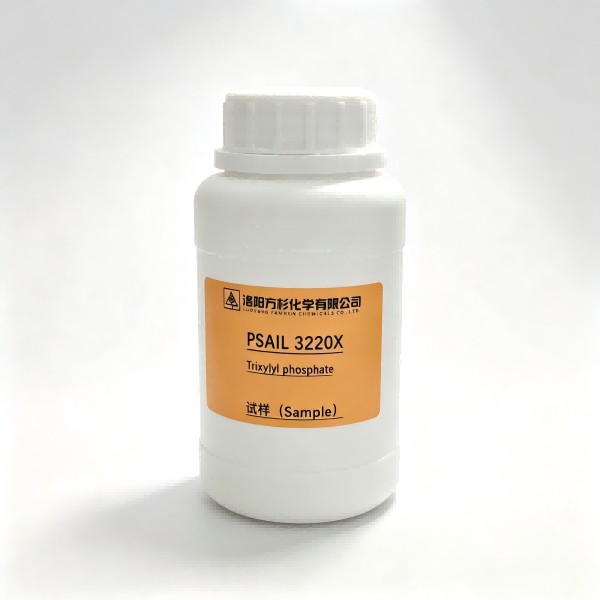
- Phosphate chemistry: When supplementary antiwear or extreme-pressure support is needed, compare suitable phosphate amine salt ep/aw additives & anti-wear agents against the target formulation. Confirm that the added chemistry does not weaken friction or corrosion performance.
- Antioxidants: Oxidation performance should be checked after adding a friction modifier because the final package, rather than one additive, determines retention of service properties.
- Rust inhibitors: Industrial lubricants may require steel corrosion protection that remains compatible with antiwear and friction-modifying chemistry.
- Finished packages: Where development time is limited, compare component-based blending with qualified high-performance lubricant additive packages & blending solutions. A package may simplify blending, but it still requires application-specific confirmation.
The conclusion for formulators is not that every system needs MoDTC. Use it when friction reduction is a defined requirement and when controlled trials show that the selected ZDDP system, base oil, and supporting additives allow a useful tribofilm to form. Do not use it as a default addition where the application, test method, or formulation chemistry does not support a measurable benefit.
Request a sample and formulation selection advice for your ZDDP compatibility trial.
 WhatsApp
 Email
 +8616638861155