Prevent Copper-Catalyzed Oxidation with Metal Deactivators
How can a formulator confirm that copper, brass, or bronze is accelerating lubricant oxidation rather than merely corroding after the oil has already degraded? The answer requires a structured diagnosis, followed by additive screening that separates metal passivation from general oxidation control.
Metal deactivators are used when reactive metal surfaces or dissolved metal species promote oxidation reactions in industrial lubricants. In practical systems, the warning signs may include faster darkening, rising viscosity, deposits on hot surfaces, varnish, shortened antioxidant life, or corrosion around copper-containing parts. These symptoms can overlap with contamination, excessive air entrainment, water ingress, and thermal stress. Treating every oxidation issue with more antioxidant can therefore waste time and destabilize an otherwise balanced formulation.
This guide gives industrial lubricant formulators and technical buyers a repeatable method to identify copper-driven oxidation, select a suitable chemistry family, establish an initial treat-rate screening plan, and verify that the revised package remains compatible with the base oil and other additives.
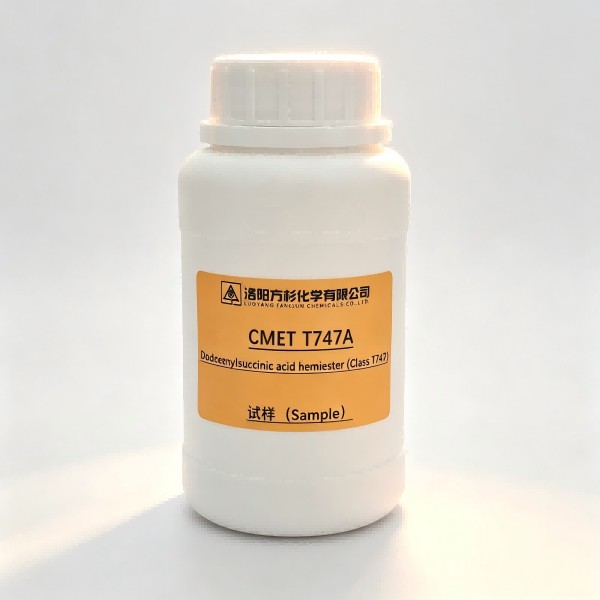
Define the failure pattern before changing the formulation
Start by defining what changed, where it appeared, and whether copper-bearing materials are present in the fluid path. The conclusion should be evidence-based: copper involvement is likely only when the oil condition, equipment materials, and failure timing point in the same direction.
First, map the lubricant’s contact points. Include copper coolers, brass valves, bronze bearings, copper-containing electrical components, soldered joints, pumps, and heat exchangers. Do not rely only on the equipment bill of materials. A replacement cooler, repair weld, or mixed-metal fitting may introduce a new copper source after the lubricant formula has already been approved.
| Observed condition | What it may indicate | First check | Limit of the observation |
|---|---|---|---|
| Rapid oil darkening near a heat exchanger | Localized heat stress or metal-catalyzed oxidation | Confirm whether copper or brass is in the heat-transfer circuit | Darkening alone does not prove copper involvement |
| Varnish on valves, bearings, or hot surfaces | Oxidation products becoming insoluble | Compare used-oil condition with operating temperature and metal exposure | Varnish can also result from depleted antioxidants or incompatible top-up oil |
| Unexpected viscosity rise | Oxidative thickening or contamination | Check for water, soot, process contamination, and oxidation indicators | Viscosity rise is not a stand-alone copper diagnosis |
| Green, blue, or discolored deposits around copper alloys | Copper corrosion products or dissolved copper species | Inspect the affected metal surface and compare fresh and used lubricant | Surface discoloration may occur without a measurable bulk-oil oxidation issue |
| Shorter antioxidant response after equipment modification | New catalytic surface or changed thermal condition | Review changed materials, temperatures, flow path, and oil top-up practice | Multiple changes may have occurred at the same time |
A useful starting condition is a retained sample of the approved fresh oil, a representative in-service sample, and access to maintenance records. If no fresh reference sample exists, collect a sample from an unaffected machine using the same oil and operating under comparable duty. Without a reference, you can still investigate, but conclusions about additive depletion and color change become less certain.
Do not move directly to a replacement additive because a copper alloy exists in the system. Many hydraulic, gear, turbine, compressor, and circulating systems include copper-containing parts without experiencing copper-driven oxidation. The problem is the combination of metal exposure, temperature, oxygen, formulation chemistry, and time in service.
Gather the inputs that determine a valid screening plan
The correct additive choice depends on the complete formulation rather than the name of the base oil alone. Before laboratory blending, assemble the information below. This step prevents an apparently successful bench blend from failing after scale-up or service exposure.
- Base oil identity and viscosity grade: Record the base stock type, blend composition, and any viscosity modifier. This determines solubility behavior and can affect additive response. A chemistry that appears clear in one base oil may haze or separate in another.
- Current additive package: List antioxidants, antiwear agents, extreme-pressure agents, rust inhibitors, dispersants, demulsifiers, antifoam agents, friction modifiers, and dyes. This is necessary because additive competition can change protection performance.
- Equipment metallurgy: Identify copper, brass, bronze, yellow-metal plating, solder, and mixed-metal assemblies. Focus on components exposed to elevated temperature or high fluid velocity.
- Operating history: Record the timing of oil darkening, filter plugging, deposit formation, oil additions, maintenance events, and cooler replacement.
- Current oil-condition data: Review viscosity, acid trend, oxidation-related indicators, appearance, water content, and wear-metal information if available.
- Performance target: Specify whether the main goal is oxidation resistance, yellow-metal protection, deposit control, longer fluid life, or recovery after a formulation change.
For a new formulation, obtain representative base oil and package samples before making a broad chemistry decision. For a field problem, preserve a used-oil sample before flushing or topping up. Once fresh oil dilutes the evidence, it becomes harder to distinguish a copper effect from an ordinary aging pattern.
Where an antiwear or extreme-pressure package is also being revised, review the full balance rather than treating corrosion control as an isolated task. For example, sulfur- and phosphorus-containing components can change metal interaction and oxidation behavior. Relevant options should be reviewed alongside oil-soluble sulfur-based EP/AW additives rather than selected independently.
Diagnose copper-driven oxidation and adjust selection before deposits form
The action is to identify whether copper is acting as an oxidation catalyst, then adjust additive selection, treat rate, and compatibility checks before varnish or viscosity rise develops. The strongest approach is comparative: test the current blend and a revised blend under the same conditions, with and without relevant copper-containing exposure where the chosen test method permits it.
- Establish the baseline formula. Blend the current formulation using the actual base oil and package components. Record appearance, viscosity, and any available oxidation-related starting values. Successful progress means the baseline is reproducible. The common failure is using substitute base oil or a simplified additive package that does not reflect the production formula.
- Confirm the copper source. Match equipment materials to the location of the failure. Inspect heat exchangers, bearings, bushings, fittings, and repaired sections. If copper is absent from the wetted system, investigate heat, air, water, and contamination before selecting a deactivator.
- Prepare a controlled additive screen. Compare the baseline against candidate metal-control chemistries at a supplier-recommended starting level and at lower and higher screening levels within the supplier’s stated guidance. Keep every other component unchanged. This isolates the effect of the candidate chemistry.
- Run oxidation and metal-contact evaluation. Use the test methods specified by the application standard, customer requirement, or internal quality plan. Assess oxidation behavior, deposit tendency, viscosity change, appearance, and copper or yellow-metal condition as applicable. Successful progress is a consistent improvement versus the baseline, not one isolated result.
- Check additive compatibility. Review clarity, haze, sediment, phase separation, foam behavior, water separation where relevant, and corrosion protection after the candidate is incorporated. A deactivation chemistry is not acceptable if it weakens another required property.
- Repeat after thermal aging. Recheck the blend after the chosen aging exposure. Some incompatibilities are hidden in a fresh blend and appear only after heat exposure. If the sample remains stable while the comparison blend shows greater oxidation or deposits, the selection has stronger support.
- Validate in the intended equipment class. Confirm that the selected chemistry fits the operating fluid: hydraulic oil, turbine oil, gear oil, compressor oil, grease, or metalworking fluid. Do not transfer a treat-rate decision from one application to another without checking the performance requirement and additive balance.
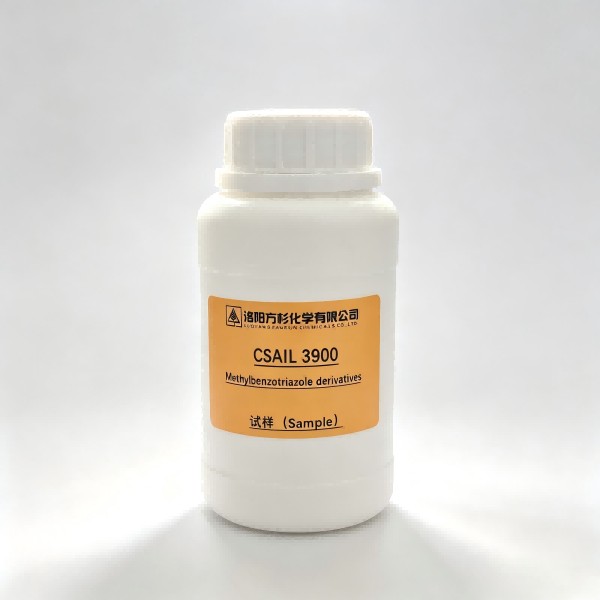
Selection should follow the source of risk. Triazole, thiazole, thiadiazole, and related chemistry families may be considered where compatible with the lubricant system and target metallurgy. The chemistry family alone does not decide the outcome. Solubility, thermal behavior, interaction with antioxidants, and interaction with antiwear or EP additives still need evaluation.
When the system needs targeted yellow-metal protection, compare candidates from the relevant family, such as thiazole-based metal corrosion inhibitors. For formulations where sulfur-bearing additive interactions need close attention, review thiadiazole-based metal corrosion inhibitors as part of the total formulation screen.
Choose the treatment strategy using formulation evidence
The right strategy is usually not “add the highest level possible.” A higher dose may improve metal control in one test while causing haze, changing demulsibility, affecting foam, or interfering with other surface-active additives. The conclusion is simple: use the lowest level that meets the defined acceptance criteria in the actual formula.
| Strategy | Best-fit situation | Reasoning | When it does not apply |
|---|---|---|---|
| Add a single metal-control component | A stable formula has a clearly identified copper-related issue | It permits direct comparison against the existing package and simplifies troubleshooting | Not suitable when oxidation, corrosion, foam, and deposit issues all require package redesign |
| Rebalance antioxidant and metal-control chemistry | Oxidation evidence is strong and the existing antioxidant system appears depleted or mismatched | Metal passivation reduces catalytic activity while antioxidants manage oxidation pathways | Not suitable as a first assumption when water ingress or overheating remains unresolved |
| Review EP/AW and corrosion-inhibitor interactions | Gear oils, metalworking fluids, or heavily additized lubricants show yellow-metal sensitivity | Surface-active additives can alter metal protection and blend behavior | Less relevant for a simple, lightly additized circulating oil with no such components |
| Use a pre-balanced additive package | A new industrial oil formulation requires coordinated performance targets | It can reduce the number of individual compatibility decisions during development | Not suitable when a specific field failure requires diagnosis before package replacement |
For hydraulic applications, the compatibility review should include the existing antiwear system, filterability requirements, water handling, and seal-related expectations. Formulators evaluating broader package changes can compare hydraulic oil additive packages with a single-component correction plan.
For industrial gear oils, do not assume that a successful copper-protection result automatically preserves load-carrying performance. Gear oil systems may contain sulfur- and phosphorus-based EP components whose balance should remain intact after the new chemistry is added. A revised blend must still meet the customer’s required performance program.
Prevent the common mistakes that hide the real cause
- Mistake: blaming copper without checking thermal stress. High temperature and restricted flow can generate oxidation products even when copper is present but not causative. Recovery: inspect cooler performance, fluid flow, hot spots, and operating changes before reformulating.
- Mistake: changing several additives at once. A simultaneous antioxidant, rust inhibitor, and deactivator change prevents root-cause identification. Recovery: hold the base formula constant and screen one functional change at a time.
- Mistake: testing only fresh-blend appearance. A clear fresh sample may become hazy, deposit-forming, or unstable after heat exposure. Recovery: include aging and post-aging compatibility observations in the release plan.
- Mistake: using an unrelated test result as final approval. A favorable result in one application does not prove suitability for another lubricant class. Recovery: use the customer specification, internal protocol, or relevant application test as the approval reference.
- Mistake: ignoring contamination. Water, cleaning chemicals, process fluid carryover, and mixed top-up oils can accelerate oxidation or destabilize additives. Recovery: identify contamination routes and correct them before treating the oil condition as a formulation-only problem.
- Mistake: increasing treat rate after a weak result without a compatibility check. More additive may not address the actual mechanism and can introduce new issues. Recovery: compare chemistry families and verify each candidate against the same acceptance criteria.
Verify completion with a release checklist
Completion is not merely adding a new component to the blend tank. The work is complete when the revised formulation shows acceptable stability and the suspected copper-related risk is controlled within the agreed test and application criteria.
- Confirm that copper, brass, bronze, or another relevant yellow-metal source was identified or reasonably excluded.
- Confirm that the baseline and revised formulations used the same base oil and the same non-target additive package.
- Confirm that the selected chemistry improved the defined oxidation or metal-contact result versus the baseline.
- Confirm that appearance, clarity, sediment tendency, and phase behavior remain acceptable after the selected aging evaluation.
- Confirm that the candidate did not create an unacceptable change in foam, water separation, corrosion protection, or other required properties.
- Confirm that the revised formula is evaluated against the correct application requirement before production release.
- Document the candidate identity, blend record, screening level, test reference, observations, and release decision for future troubleshooting.
Luoyang Fangshan Chemical Co., Ltd. supports formulation work as a professional lubricant additive manufacturer with ISO 9001:2015, ISO 45001:2018, and ISO 14001:2015 management systems. Its functional chemical production capacity exceeds 10,000 tons, and its technical team includes more than 30 PhD and master’s degree holders. For development screening, samples can be dispatched within 3 days, while bulk orders can be dispatched within 7 days; no minimum order quantity is required. These conditions can be useful when a formulator needs to compare individual high-quality lubricant additive components before committing to a package-level change.
Request selection advice or a sample to screen a copper-control additive against your current lubricant formulation.
 WhatsApp
 Email
 +8616638861155