Questions to Ask Your Molybdenum Dithiophosphate (MoDTP) Supplier Before Ordering
Selecting a Molybdenum dithiophosphate (MoDTP) supplier based on price alone introduces significant risk to your final lubricant formulation. An inconsistent or low-purity batch can directly lead to performance failures: high friction, inadequate extreme pressure (EP) protection, and poor wear resistance. Before you issue a purchase order, asking the right questions about technical specifications, quality control, and logistical capabilities is essential to avoid costly product recalls and protect your brand's reputation.
As a professional manufacturer of import-substitute additives, we understand the technical challenges formulators face. This guide outlines the critical evaluation points to ensure the MoDTP you source meets the demanding requirements of modern hydraulic oils, gear oils, and other industrial lubricants. Our goal is to equip you with the knowledge to vet suppliers effectively and secure a reliable supply chain.
Evaluating MoDTP Performance: Key Technical Questions
The primary function of MoDTP is to provide antiwear (AW) and friction-reducing properties, often with some antioxidant and EP benefits. However, not all MoDTP additives are created equal. The structure of the alkyl groups and the manufacturing process heavily influence its performance. Here are the technical validation points to discuss with a potential supplier.
1. Friction and Wear Performance Data (SRV, Four-Ball)
Ask for specific test data. A reputable supplier should be able to provide results from standard tribological tests. A high friction coefficient or a large wear scar in these tests are clear indicators of an inferior product. For example, poor performance in a Four-Ball Wear test (ASTM D4172) or an SRV test points to an additive that will not adequately protect metal surfaces under load.
2. Extreme Pressure Capabilities (Four-Ball EP)
While ZDDP is the primary EP agent, MoDTP contributes to the film strength. Ask for data from Four-Ball EP tests (ASTM D2783), specifically the Load Wear Index (LWI) and Weld Point (PB). If the PB/PD values do not meet your formulation targets, the additive may not provide sufficient protection in high-load applications like industrial gear systems.
3. Thermal and Oxidative Stability
How does the additive hold up under heat? Request data on its antioxidant performance, often evaluated through tests like the Rotating Pressure Vessel Oxidation Test (RPVOT, ASTM D2272). Poor stability can lead to premature oil degradation, sludge formation, and a shortened service life for the finished lubricant.
The following table outlines what to look for versus what to avoid when reviewing a supplier's technical data sheet.
| Performance Metric | Desired Characteristic (High-Quality MoDTP) | Warning Sign (Poor-Quality MoDTP) |
|---|---|---|
| Friction Coefficient | Low and stable coefficient of friction across a range of temperatures and loads. | High or erratic friction coefficient, indicating poor film-forming ability. |
| Wear Scar Diameter | Small wear scar diameter in Four-Ball or SRV tests, indicating effective antiwear protection. | Large wear scar, signaling that the additive is not preventing metal-to-metal contact. |
| EP Performance (PB/PD) | Weld Point (PB) and Load Wear Index (LWI) meet or exceed industry standards for the application. | Low PB/PD values that fail to meet the required specification for gear or hydraulic oils. |
| Oxidation Stability | Good RPVOT results and resistance to viscosity increase and sludge formation. | Rapid oil degradation, deposit formation, and short drain intervals. |
| Solubility & Compatibility | Excellent solubility in Group I, II, and III base oils; compatible with other additives. | Hazy appearance, additive drop-out, or antagonistic effects with other components. |
Common Formulation Mistakes with MoDTP Additives
Incorporating a organic molybdenum friction modifiers & lubricant additives like MoDTP is not just about dosage. As the technical lead for formulation optimization, I frequently see recurring issues that compromise performance. Avoiding these common mistakes can save significant time and resources in the development phase.
- Ignoring Base Oil Interaction: The performance of MoDTP can vary significantly depending on the base stock. Its solubility and effectiveness in a Group I mineral oil will differ from that in a Group III or PAO synthetic base. Always verify solubility and performance in your specific base oil, not just a generic one.
- Antagonism with Other Additives: Certain additives, particularly some over-based calcium sulfonate detergents, can compete with MoDTP for surface access. This chemical competition can reduce its effectiveness as a friction modifier. It is essential to conduct compatibility studies with your complete high-performance lubricant additive packages & blending solutions.
- Incorrect Dosage for Synergy: There is often a synergistic relationship between MoDTP and ZDDP. Using one without optimizing the other can lead to suboptimal wear protection. The goal is to find the right balance where MoDTP reduces friction and ZDDP provides robust antiwear and EP protection, without one interfering with the other's film-forming process.
- Overlooking Hydrolytic Stability: In applications where water contamination is possible (e.g., metalworking fluids or some hydraulic systems), the hydrolytic stability of the MoDTP is a key factor. An unstable additive can break down in the presence of water, leading to loss of performance and the formation of corrosive byproducts.
Sourcing & Logistics: Your Pre-Order Checklist (FAQ)
A supplier's technical competence is meaningless without reliable logistics and transparent processes. Before committing to a large order, ensure your partner can meet your operational needs. At Luoyang Fangshan Chemical, we prioritize clarity and service, backed by our ISO 9001:2015 certified quality management system.
How do you handle sample requests and approvals?
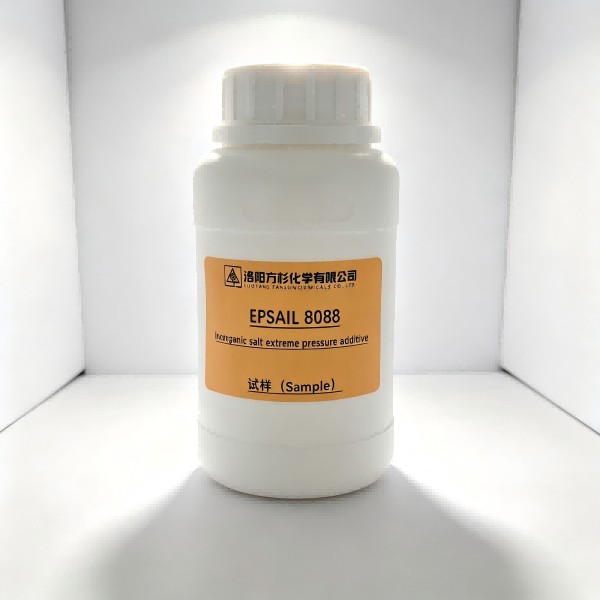
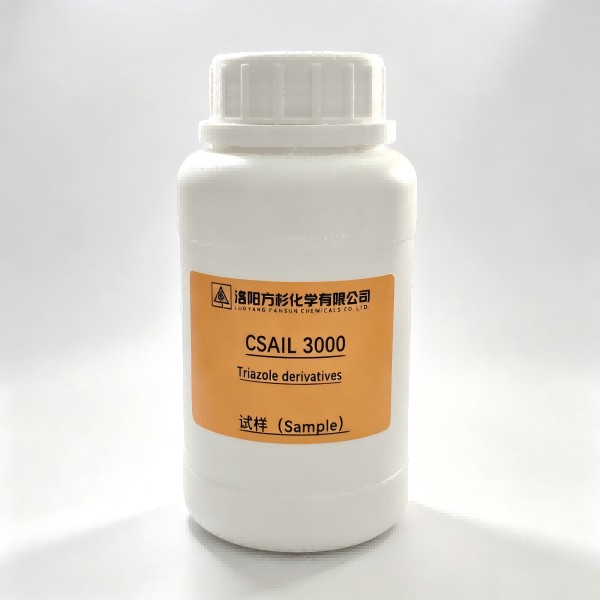
A professional supplier should provide samples for your evaluation. We understand the importance of lab testing, which is why we commit to dispatching samples within 3 days. This allows your team to validate performance in your own formulations without lengthy delays.
What are your standard packaging options?
Clarity on packaging is essential for logistics and handling. Ask about standard drum sizes (e.g., 200kg steel drums), intermediate bulk container (IBC) options, and whether custom packaging is available for specific needs. Ensure the packaging complies with international shipping regulations for chemical products.
What is the typical shelf life and what storage conditions are required?
MoDTP, like many high-quality lubricant additive components & chemical additives, has a finite shelf life. Ask for this information upfront to manage inventory effectively. Typically, it should be stored in a cool, dry, and well-ventilated area away from direct sunlight and moisture. The supplier should provide a clear "use by" date.
What documentation is provided with each shipment?
Every shipment must be accompanied by a Certificate of Analysis (COA) specific to that batch, confirming it meets the agreed-upon specifications. A Safety Data Sheet (SDS) is also mandatory, providing essential information on handling, storage, and emergency procedures.
What are your lead times and MOQ for export orders?
Understanding production and shipping timelines is critical for supply chain planning. Our standard lead time for large orders is 7 days from order confirmation to dispatch. Furthermore, to support projects of all sizes, we operate with no minimum order quantity (MOQ), allowing for greater flexibility in your procurement strategy.
The Value of a Technically-Focused Manufacturing Partner
When you source a critical component like MoDTP, you are not just buying a chemical; you are investing in the performance and reliability of your finished product. Partnering with a manufacturer that has a deep technical foundation provides a significant advantage. Our R&D team, which includes more than 30 specialists with PhD and Master’s degrees, is dedicated to the molecular design and application of lubricant additives.
This focus on research and development allows us to produce high-quality, stable, and effective additives that serve as reliable import substitutes. With an annual production capacity exceeding 10,000 tons for functional chemicals and management systems certified to ISO 9001, ISO 45001, and ISO 14001 standards, we provide the scale and quality assurance required by global industrial partners. Should any quality issues arise, we stand by our product and will negotiate returns to ensure your complete satisfaction.
By asking these detailed questions, you move beyond a simple price comparison to a more complete evaluation of a supplier's capabilities. This due diligence ensures you secure a reliable source for high-performance Molybdenum dithiophosphate that will enhance your lubricant formulations.
To discuss your specific formulation challenges or to request a technical data sheet for our MoDTP grades, please contact our technical team.
 WhatsApp
 Email
 +8616638861155