How Specialty Lubricant Additives Reduce Corrosion Risk in Industrial Equipment
Choosing a corrosion inhibitor for an industrial lubricant seems straightforward until a standard formulation fails. An unexpected change in operating temperature, water contamination, or the introduction of yellow metals into a system can render a rust inhibitor ineffective, leading to premature equipment failure and costly downtime. The decision is not merely about preventing rust; it's about selecting a targeted chemical defense that matches the specific corrosive threats within your application. The wrong choice can lead to compromised extreme pressure performance, increased wear, and ultimately, a lubricant that fails to protect.
As a professional manufacturer of import-substitute additives, we help clients navigate these complexities. Understanding the interplay between your equipment's environment and additive chemistry is the first step toward reliable, long-term asset protection. We provide specialty lubricant additives designed for precise operational challenges, moving beyond generic solutions to deliver targeted performance. This ensures your formulation provides robust protection without sacrificing other critical lubricant functions.
Matching Additive Chemistry to Your Operational Environment
Effective corrosion control depends entirely on matching the additive chemistry to the specific challenges of the application. A one-size-fits-all approach is a significant risk. Factors like water exposure, the types of metals in the system, and operating temperatures dictate which type of inhibitor will perform reliably. Using the wrong one can be ineffective at best and detrimental at worst, potentially causing emulsion issues or reacting negatively with other additives.
The following table outlines a decision-making framework for selecting the appropriate corrosion inhibitor based on common industrial scenarios. This helps formulators move from a general requirement to a specific chemical solution.
| Operating Condition | Primary Corrosion Risk | Recommended Additive Chemistry | Mechanism & Rationale | Limitations & When to Reconsider |
|---|---|---|---|---|
| High Water Contamination (Ferrous Metals) | Flash rust, widespread oxidation on steel and iron surfaces. | Carboxylic acids, amine salts, succinic acid derivatives. | These molecules are polar and have a strong affinity for metal surfaces. They form a persistent, water-repelling film that physically blocks water and oxygen from reaching the metal. | In systems with soft metals like copper or brass, some amine-based inhibitors can be aggressive. Water hardness can also affect the performance of certain carboxylates in aqueous fluids. |
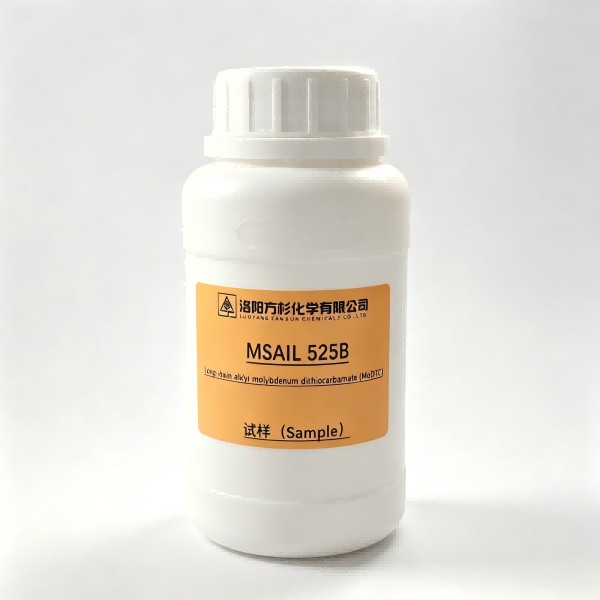
| Presence of Yellow Metals (Copper, Brass, Bronze) | Staining, pitting, and catalytic degradation of the oil by copper ions. | Triazoles (e.g., Tolyltriazole, Benzotriazole) and Thiadiazole derivatives. | Known as metal deactivators or passivators, these compounds chemically bond with the yellow metal surface, forming an inert (passivated) layer. This stops the metal from reacting with sulfur compounds or oxidizing. | While excellent for yellow metals, they provide limited rust protection for ferrous metals on their own. They must be used in conjunction with a suitable rust inhibitor in mixed-metal systems. |
| High-Temperature Operations (>100°C) | Accelerated oxidation, acid formation, and thermal degradation of the inhibitor itself. | Thiadiazole derivatives, high-molecular-weight phenolic antioxidants. | These chemistries offer superior thermal and oxidative stability. Thiadiazole-based metal corrosion inhibitors are particularly effective as they also passivate surfaces and can act as anti-wear agents at high temperatures. | Cost can be a factor. Formulation requires careful balancing, as an over-treat of some sulfur-containing compounds can become corrosive at extreme temperatures if not properly formulated. |
| Acidic Environment (e.g., from combustion byproducts or oil oxidation) | General corrosion from low pH. | Overbased calcium sulfonates, high TBN (Total Base Number) components. | These additives contain a reserve of basic material (e.g., calcium carbonate) that neutralizes acidic compounds as they form, keeping the lubricant's pH in a safe, non-corrosive range. | These are ash-containing additives and may not be suitable for applications requiring ashless oils, such as certain gas turbines or compressor systems. Their high detergency can also affect water separability. |
Beyond Rust: The Full Spectrum of Metal Protection
Corrosion is more than just the familiar red-brown iron oxide. In industrial machinery, which often features a combination of steel, copper, and aluminum alloys, a comprehensive protection strategy must address multiple types of chemical attack. While rust inhibitors are designed for ferrous metals, a different class of additives—metal deactivators—is essential for protecting non-ferrous components.
Yellow metals like copper and brass are particularly susceptible to attack from active sulfur compounds in a lubricant. They can also act as catalysts, accelerating oil oxidation and sludge formation. This not only damages the component but degrades the entire lubricant charge. Metal deactivators work by forming a passivated film on these reactive surfaces, rendering them chemically inert. A well-formulated high-performance lubricant additive packages & blending solutions will contain both rust inhibitors for ferrous protection and metal deactivators for non-ferrous protection, creating a complete shield.
Ignoring this distinction is a common source of lubricant failure. A formulation that passes a steel-only rust test (like ASTM D665) may still cause severe corrosion in a system with bronze bearings or copper cooling lines. The evidence often appears in oil analysis reports as elevated copper levels or in equipment inspections as stained or pitted components.
Common Pitfalls in Formulating for Corrosion Control
Achieving durable corrosion protection involves navigating several potential formulation traps. As a sales engineer, I frequently work with customer R&D teams to troubleshoot issues that arise from these common oversights. Avoiding them from the outset saves significant time and resources in development and prevents field failures.
- Focusing Solely on Ferrous Rust: The most frequent mistake is formulating to pass a standard steel corrosion test while ignoring the presence of yellow metals. Always review the full material list of the target equipment. If copper, brass, or bronze is present, a metal deactivator is not optional.
- Overlooking Additive Antagonism: Not all additives work well together. Certain extreme pressure (EP) additives can be aggressive toward yellow metals, while some rust inhibitors can interfere with demulsibility. A successful formulation is a balanced system. We assess formula compatibility to ensure all additive components function synergistically.
- Ignoring the Impact of Base Oil: The type and quality of the base oil significantly influence an inhibitor's effectiveness. Polar inhibitors may have lower solubility in highly refined Group III or PAO base stocks compared to Group I. This can affect how well they reach and protect metal surfaces.
- Underestimating Water Chemistry in Aqueous Fluids: For water-based metalworking fluids, the hardness and chloride content of the dilution water can dramatically impact corrosion. Hard water ions can react with certain inhibitors, causing them to precipitate out of the solution and lose effectiveness.
- Choosing an Inhibitor That Compromises Other Properties: An aggressive corrosion inhibitor might offer excellent protection but could negatively affect elastomer seals or reduce the lubricant's oxidative stability. The goal is to protect the metal without creating new problems elsewhere in the system.
Sourcing Reliable Additives: Ensuring Quality and Supply Chain Stability
The performance of your final lubricant is directly tied to the quality and consistency of the additive components you use. When evaluating suppliers of specialty lubricant additives, it is vital to look beyond the product datasheet and consider the manufacturer's operational standards and supply chain reliability.
As a professional lubricant additive manufacturer, we've built our operations around delivering verifiable quality and dependable supply. Our production facilities are certified to ISO 9001:2015 for quality management, ISO 45001:2018 for occupational health and safety, and ISO 14001:2015 for environmental management. These certifications reflect a systematic commitment to operational excellence.
Supply chain stability is another critical factor, especially for blenders managing large-scale production. With a production capacity for functional chemicals exceeding 10,000 tons annually, we can confidently support high-volume requirements without interruption. This capacity, combined with our logistics, ensures a stable supply of key additive components.
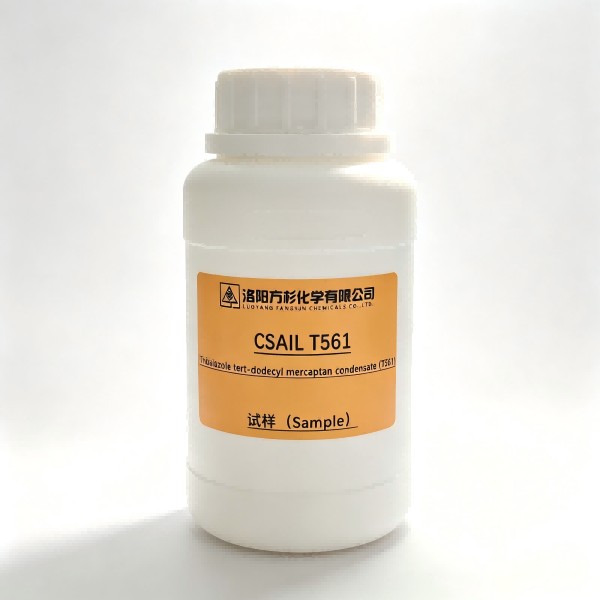
Furthermore, we understand that formulation development requires testing and iteration. To support your R&D process, we have a no MOQ (Minimum Order Quantity) policy and can dispatch samples within three days, with bulk orders typically ready in seven days. This flexibility allows your team to test and validate our import-substitute products with minimal risk and investment, supported by our R&D team of over 30 PhD and master’s degree holders who can assist with one-stop additive solutions.
If you are facing specific corrosion challenges or are looking for a reliable partner to achieve dependable import substitution, our team is ready to assist. Contact us to discuss your formulation requirements and request a sample for evaluation.
 WhatsApp
 Email
 +8616638861155