Sourcing the Right Compressor Oil Additive Package for Your Formulation
Selecting a new supplier for a critical component like a compressor oil additive package carries significant risk. Choosing incorrectly can lead to formulation failures, inconsistent batch performance, and costly operational downtime for your end-users. The initial data sheet looks promising, but what happens when the product fails under real-world stress? A sourcing decision based solely on price or marketing claims, without a structured qualification process, is a gamble that can compromise your product's reputation and reliability.
As a professional manufacturer founded in 2017, we understand these pressures. Our focus is on providing high-performance, import-substitute additive products for the global market, backed by a robust quality management system. This guide outlines a practical framework for lubricant blenders and procurement teams to qualify suppliers effectively, ensuring the additive package you choose delivers consistent performance from the first sample to full-scale production orders.
Key Performance Failures to Screen For
A technical data sheet provides a starting point, but it doesn't reveal the full performance picture. Experienced formulators know that certain failure modes only appear under specific operating conditions or after extended use. When evaluating a potential supplier, it's essential to probe beyond top-line numbers and discuss how their additive chemistry addresses common compressor lubricant challenges.
Problems like high friction coefficients, poor extreme pressure (EP) effects, and substandard oxidation stability are often the root cause of premature equipment failure. Before committing to a supplier, ensure their technical team can provide data and context on how their packages mitigate these specific risks.
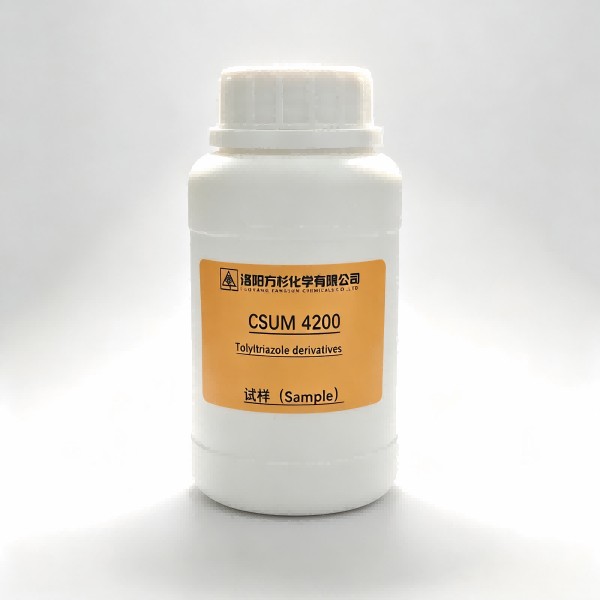
Here are common performance issues that a well-formulated package should prevent:
- Poor Extreme Pressure (EP) Performance: Inadequate EP properties manifest as low PB (last non-seizure load) and PD (weld point) values in four-ball testing. This indicates the lubricant film will rupture under high load, leading to metal-to-metal contact and catastrophic component failure.
- High Wear Characteristics: A large wear scar diameter (WSD) in four-ball or SRV testing points to insufficient anti-wear protection. Over time, this results in accelerated component degradation, loss of efficiency, and increased maintenance costs.
- Insufficient Oxidation Stability: Compressors operate at high temperatures, which accelerates oil oxidation. A package with poor antioxidant performance will lead to sludge formation, increased viscosity, and corrosive acid buildup, clogging lines and damaging seals.
- Inadequate Corrosion and Rust Protection: Moisture is often present in compressed air systems. Without effective corrosion inhibitors, rust can form on internal surfaces, contaminating the oil and leading to abrasive wear. Look for packages with robust protection against both ferrous and yellow metals.
A potential supplier should be able to discuss these failure points openly and provide specific test data demonstrating their product's resilience. For a deeper dive into specific chemistries, exploring options like high-quality lubricant additive components can provide insight into how individual additives contribute to overall package performance.
A Buyer's Checklist for Supplier Qualification
A systematic qualification process is the most effective way to mitigate sourcing risks. It moves the conversation from marketing claims to verifiable evidence of performance, quality control, and technical competence. Use the following checklist to structure your evaluation of any potential oil additive package supplier.
This structured approach ensures you cover all critical aspects before placing your first order, creating a foundation for a reliable, long-term partnership.
| Qualification Step | Key Questions to Ask | What to Look For (Green Flags) |
|---|---|---|
| 1. Define Base Oil Scope | - What base oil groups (I, II, III, IV, V) is this package designed for? - Are there known solubility or compatibility issues with specific base stocks (e.g., certain PAOs or esters)? - What is the recommended treat rate for different base oils to achieve the target performance? |
- Clear compatibility charts or guidelines. - Data showing performance across multiple base stocks. - Willingness to test compatibility with your specific base oil. |
| 2. Verify Performance Data | - Can you provide full test reports (not just summaries) for key performance metrics like SRV, four-ball (PB/PD), and oxidation stability (RPVOT)? - How does the package perform against relevant industry standards (e.g., DIN 51506)? - What is your process for quality control testing on each batch? |
- Complete, unredacted test data from a certified lab. - Performance that meets or exceeds required industry specifications. - Transparent explanation of their batch QC procedures. |
| 3. Manage the Sample Approval Process | - What is your standard lead time for sending a trial sample? - Does the sample come with a Certificate of Analysis (CoA) that is representative of production batches? - Is your technical team available to answer questions during our in-house testing? |
- Fast sample dispatch (we dispatch samples in 3 days). - A detailed CoA accompanies the sample. - Direct access to a knowledgeable technical contact for formulation support. |
| 4. Review Batch Documentation and Consistency | - Can you provide CoAs from three different production batches to demonstrate consistency? - What parameters are tested and reported on every batch CoA? - What is your procedure if a batch is found to be out of specification? |
- Minimal variation in key parameters across different batch CoAs. - A comprehensive CoA that covers all critical performance and physical properties. - A clear, documented process for handling non-conforming material, including options for return and replacement. |
The Value of Technical Collaboration and Formulation Support
The best suppliers act as technical partners, not just order-takers. This is especially true when developing new formulations or seeking an import substitute for an existing product. A supplier's ability to provide expert guidance can significantly shorten your development cycle and prevent costly formulation errors. Our R&D team, which includes more than 30 PhD and master’s degree holders, is structured to provide precisely this level of support.
When you engage with a supplier, assess their technical depth. Can you speak directly with an engineer or chemist? Do they understand the nuances of your application and formulation goals? A partner who can help you identify formulation requirements and assess compatibility is an invaluable asset.
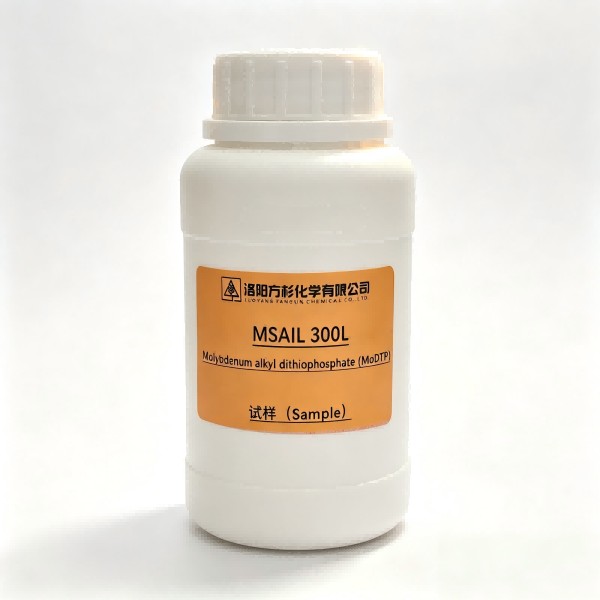
Effective technical support includes:
- Formula Compatibility Assessment: Analyzing potential negative interactions between the additive package and other components in your formulation, such as viscosity index improvers or pour point depressants.
- Troubleshooting Performance Issues: Helping diagnose problems observed during testing, such as unexpected deposit formation, filter plugging, or poor demulsibility.
- One-Stop Additive Solutions: Recommending not just the primary package but also complementary high-performance lubricant additive packages or individual components to achieve specific performance targets.
- Import Substitution Support: Providing technically equivalent or superior alternatives to products from major global suppliers, backed by comparative data and formulation guidance to ensure a smooth transition.
This collaborative approach ensures that the product you receive is not just a chemical in a drum, but a fully supported solution tailored to your needs. This is a core part of our service as a professional lubricant additive manufacturer.
Evaluating Supply Chain Stability and Commercial Flexibility
Even the best additive package is useless if it doesn't arrive on time or if the commercial terms are too rigid for your business model. A thorough supplier evaluation must include a review of their manufacturing capabilities, quality systems, and supply chain logistics. These operational factors are strong indicators of a supplier's reliability.
Our facilities are certified to ISO 9001:2015 (Quality Management), ISO 45001:2018 (Occupational Health and Safety), and ISO 14001:2015 (Environmental Management). These certifications are not just paperwork; they represent a commitment to consistent processes, safe operations, and responsible manufacturing. With a production capacity for functional chemicals exceeding 10,000 tons annually, we have the scale to support your growth.
When comparing suppliers, consider the following commercial and logistical factors:
Key Supply Chain & Commercial Terms Comparison
-
Minimum Order Quantity (MOQ):
- Typical Industry Practice: Many suppliers impose high MOQs (e.g., one full pallet or tote), making it difficult to order smaller quantities for trial runs or specialized production.
- Our Approach: We have no MOQ. This flexibility allows you to order exactly what you need, whether for R&D or full production, minimizing inventory costs and waste.
-
Lead Time:
- Typical Industry Practice: Standard lead times can often range from 2 to 4 weeks, or longer for international shipments, impacting your production planning.
- Our Approach: We are structured for speed. Samples are dispatched within 3 days, and large cargo is ready within 7 days. This responsiveness helps you react quickly to market demands.
-
Quality Assurance:
- Typical Industry Practice: Quality claims are often limited to a standard CoA. Resolving issues with an out-of-spec batch can be a slow and difficult process.
- Our Approach: We stand behind our product quality. In the event of a confirmed quality issue, we offer a clear process for negotiated returns, providing you with commercial peace of mind.
By prioritizing suppliers who offer both technical excellence and supply chain flexibility, you build a more resilient and agile operation.
As a Sales Engineer specializing in the global market, my goal is to provide one-stop additive solutions that help customers achieve reliable import substitution. By following a structured qualification process, you can confidently select a supplier that meets your technical, commercial, and logistical needs.
If you are looking for a responsive partner with deep formulation expertise, please contact us to discuss your compressor oil additive requirements and request a qualification sample.
Author: Daniel Zhang
Sales Engineer | Global market development, custom additive package, formula compatibility assessment, cross-border customer management
 WhatsApp
 Email
 +8616638861155