Store Tricresyl Phosphate Safely for Industrial Use
Before ordering a phosphate additive, EHS managers and chemical buyers need a clear answer to one operational question: can the receiving site protect the product, prevent incompatible contact, and keep personnel prepared for a spill or transfer event? Tricresyl phosphate storage should be planned before the purchase order is released, not after containers arrive at the loading bay.
For industrial lubricant blending, storage decisions affect more than warehouse housekeeping. Incorrect container selection, uncontrolled moisture exposure, unclear labeling, or storage near strong reducing agents can create avoidable handling risks and may also compromise material suitability for formulation work. The product-specific safety data sheet, technical data sheet, local chemical regulations, and site risk assessment must govern the final storage arrangement.
Luoyang Fangshan Chemical Co., Ltd. supports buyers of lubricant additives, additive components, and additive packages with pre-shipment planning. Our facility operates under ISO 9001:2015, ISO 45001:2018, and ISO 14001:2015 management systems. Samples can be dispatched within 3 days and bulk orders within 7 days, so receiving readiness should be confirmed before shipment is arranged.
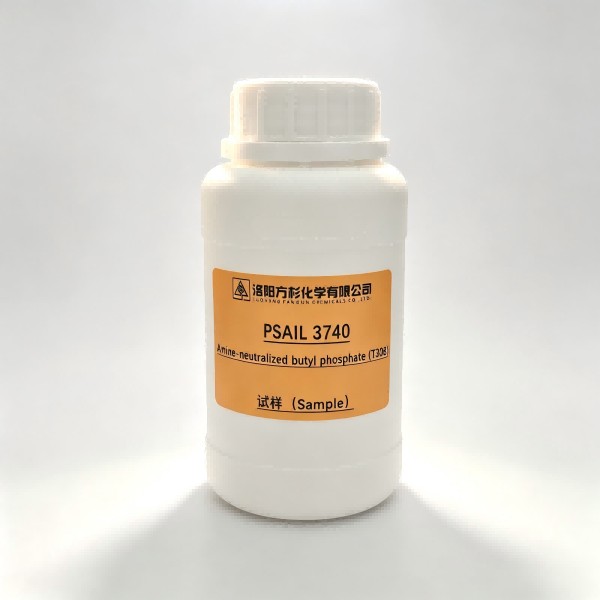
Build a storage plan before confirming the purchase order
The best storage plan starts with the actual use case. A buyer receiving material for hydraulic fluid, industrial oil, or additive package blending has different transfer frequency and inventory exposure than a site holding sealed containers for periodic production. The conclusion is simple: define receipt volume, storage duration, transfer method, and final use before selecting a storage location.
This approach fits procurement teams preparing a new supplier approval, a formulation trial, or an inventory expansion. It does not replace the product-specific SDS or a formal site hazard assessment. If the supplied documentation differs from an existing internal material record, stop and reconcile the information before receiving the shipment.
| Planning item | What to confirm before purchase | Why it matters | Limit or exception |
|---|---|---|---|
| Product identity | Confirm the exact product name, grade, batch identification, and supplied documentation. | Prevents a warehouse team from assigning the material to the wrong compatibility group. | Do not rely only on a purchase-order description or an old internal material name. |
| Storage location | Assign a dry, controlled area with access limited to trained personnel. | Supports moisture control, inventory traceability, and spill response readiness. | A general raw-material area may not be suitable if incompatible chemicals are present. |
| Receiving method | Decide whether containers will remain sealed, be decanted, or connect to a closed transfer arrangement. | Transfer points create added opportunities for leaks, contamination, and labeling errors. | Do not choose a transfer setup until container and seal compatibility are reviewed. |
| Emergency preparation | Check local spill equipment, eyewash arrangements, PPE requirements, and escalation contacts. | Reduces delay when a damaged container or release is discovered. | Site emergency procedures take priority over generic warehouse instructions. |
Buyers should request the current safety data sheet before shipment confirmation and route it to EHS, warehouse, production, and quality personnel. Each team sees a different risk. EHS reviews storage and response controls. Warehouse staff reviews placement and handling. Production checks transfer needs. Quality verifies material identification and release controls.
Where the material will be used in oil formulations, compare the purchase plan with the intended additive system. Buyers assessing related chemistry can review phosphate lubricant compounds when defining a broader sourcing and formulation plan.
Control moisture, choose containers, and segregate reducing agents
Moisture control, container selection, and segregation from strong reducing agents should be handled as one operating system. Each control addresses a different failure path. Moisture can enter through damaged closures, poor housekeeping, or exposure during transfer. Unsuitable containers or seals can create leakage concerns. Incompatible storage near strong reducing agents can increase the consequence of a warehouse error.
The conclusion is to store sealed material in suitable, clearly identified containers, maintain dry conditions, and physically segregate it from strong reducing agents according to the SDS and site compatibility procedure. This is appropriate for sealed-container storage, sampling, and production transfer. It does not allow personnel to ignore additional incompatibilities listed in the applicable SDS.
| Control area | Executable action | Checkpoint | Common failure reason |
|---|---|---|---|
| Moisture control | Keep containers closed except during controlled sampling or transfer. Inspect closures and outer surfaces during receipt and routine checks. | No damaged cap, compromised seal, standing water, or wet packaging is accepted into storage. | Containers are opened in a general work area and left waiting for the next production step. |
| Container selection | Use the supplier-shipped container unless a reviewed transfer container has been approved by EHS, quality, and operations. | The receiving label remains legible, and the closure is secure before storage. | Material is moved into an unmarked container to simplify warehouse handling. |
| Segregation | Assign a marked location away from strong reducing agents and maintain separation during receipt, storage, and waste handling. | Warehouse maps and chemical inventory records show the designated compatibility area. | Temporary staging places incompatible materials beside each other at the loading bay. |
| Secondary containment | Place containers in suitable secondary containment where required by site procedures and local regulations. | Containment is clean, accessible, and sized according to the site’s approved plan. | Containment is used as a permanent storage tray for mixed, unlabeled residues. |
Use a practical moisture-control routine
- Receive containers under cover where practical and prevent exposure to rain, washdown water, or wet floors.
- Inspect each container for visible damage, closure condition, leaking residue, and readable identification.
- Move accepted containers promptly to the assigned dry storage location rather than leaving them in an open staging area.
- Keep containers closed when not in active use and use a controlled process for sampling or dispensing.
- Record damaged packaging, moisture exposure, or uncertain product identity as a quarantine event until reviewed.
This routine is especially useful for sites that receive multiple additive components on the same day. It is less relevant only when a supplier has provided a dedicated closed handling system and the site has validated its operating procedure. Even then, receipt inspection remains necessary.
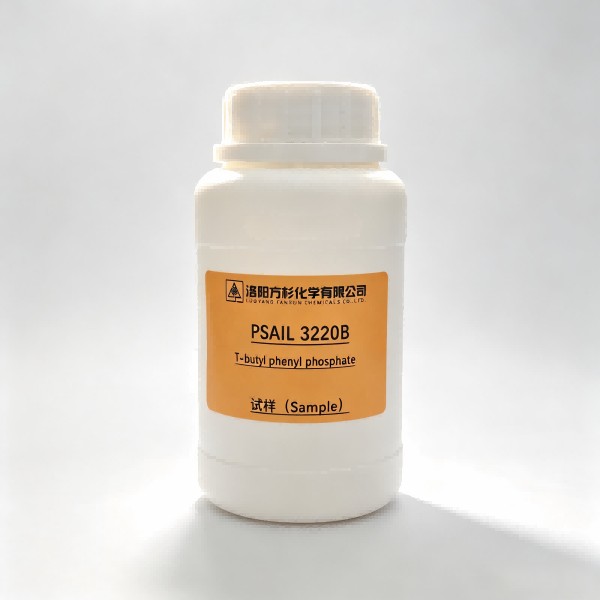
Inspect incoming containers before they enter inventory
Receiving inspection is the point where a buyer can prevent a storage issue from becoming a production issue. Do not book material into available inventory merely because the shipment quantity matches the purchase order. The warehouse should confirm identity, condition, documentation, and assigned location first.
For a material such as Tricresyl phosphate, the receiving process should be written as a release gate. The conclusion is to accept only containers that pass the documented inspection and place all exceptions in a controlled hold area. This suits both trial quantities and bulk deliveries. It does not replace supplier quality review when a discrepancy involves product identity, documentation, or visible container damage.
Receiving inspection checklist
- Match documents: Compare the purchase order, shipping documents, container labels, and supplied safety documentation.
- Check container condition: Look for leakage, dents, compromised closures, wet cartons, residue, or missing labels.
- Confirm traceability: Record supplier information, batch or lot identification where provided, receipt date, and storage location.
- Verify labeling: Ensure the container remains identifiable after any warehouse label is added.
- Assign status: Mark material as accepted, quarantined, or rejected according to the site quality procedure.
- Review storage compatibility: Confirm that the assigned storage area is segregated from strong reducing agents and other incompatible materials identified by the SDS.
A common mistake is to remove outer labels during unpacking and assume the internal warehouse label is enough. That practice can break traceability when a container is transferred, sampled, or investigated after a spill. Keep supplier identification visible where possible and link any internal label to the original receipt record.
Another frequent error is treating a small sample as low risk. Small containers still need controlled labeling, dry storage, and compatible segregation. Luoyang Fangshan Chemical Co., Ltd. can dispatch samples within 3 days, and there is no minimum order quantity. That flexibility is useful for qualification work, but it also means the receiving process must cover sample containers as carefully as production inventory.
Set handling rules for sampling, dispensing, and internal transfer
Storage controls only work if transfer controls match them. A sealed container in the correct location can still become a problem when opened at an unprepared dispensing station. The recommended approach is to use a written transfer procedure that defines who may handle the material, what equipment is used, how containers are relabeled, and what happens to residues.
This is best suited to blending facilities, laboratories, and maintenance stores where additive containers may be opened more than once. It may not apply in the same form to an automated closed system, although that system still requires documented inspection, maintenance, and response procedures.
| Transfer stage | Required practice | Reasoning | Do not do this |
|---|---|---|---|
| Preparation | Review the SDS, verify material identity, inspect the receiving container, and prepare the labeled destination container. | Prevents wrong-material transfers and reduces time spent with a container open. | Do not begin dispensing while searching for labels, caps, or absorbent materials. |
| Sampling | Use clean, suitable sampling equipment and return the original container to closed storage promptly. | Reduces contamination and unnecessary exposure time. | Do not leave sampling tools in an open container between tasks. |
| Decanting | Use approved equipment and retain clear identity labeling on both source and destination containers. | Maintains traceability through the production process. | Do not use food, beverage, or unmarked general-purpose containers. |
| Residue control | Handle wipes, empty packaging, and residues according to the SDS, site waste rules, and local requirements. | Prevents mixed residues from entering unsuitable waste streams. | Do not place chemical residues into general waste without review. |
When evaluating an additive package rather than a single component, buyers should also clarify whether the material will be transferred as received or blended with other inputs. Relevant options include lubricant additive packages for industrial oil formulation planning. Compatibility assessment should always use the actual formulation and current product documentation rather than assumptions based on chemical family names.
Prevent the warehouse mistakes that cause avoidable hazards
Most storage failures come from process gaps, not from one dramatic error. The following list gives EHS managers a practical audit tool for pre-procurement planning and routine warehouse review.
- Storing by convenience: Placing a container wherever shelf space is available can defeat compatibility controls. Use a defined storage map and review it when inventory changes.
- Ignoring temporary staging: A designated storage room may be correct, while the loading bay is not. Apply segregation rules from unloading through final placement.
- Using unclear labels: Handwritten abbreviations and faded labels invite wrong-material handling. Use legible labels tied to the receiving record.
- Combining damaged and acceptable containers: A leaking or uncertain container needs quarantine and review. Do not place it back into normal stock.
- Leaving dispensing equipment dirty: Residue on funnels, pumps, or transfer lines can contaminate later work. Clean and control equipment according to site procedures.
- Skipping documentation review: Product documents may change between orders. Review current documentation before each new receipt cycle.
- Assuming one rule covers all additives: Storage instructions must reflect the exact material and SDS, not a generic “oil additive” category.
For buyers sourcing several lubricant components, a structured supplier discussion can reduce these gaps. Luoyang Fangshan Chemical Co., Ltd. has a research and development team of more than 30 PhD and master’s degree holders and functional chemical production capacity exceeding 10,000 tons. Our sales and technical communication can support formulation requirement review and additive selection discussions, while the customer’s EHS team remains responsible for site-specific storage approval.
Use procurement questions to align EHS and formulation teams
Before placing an order for Tricresyl phosphate, the buyer should connect sourcing requirements with warehouse controls and formulation needs. The conclusion is to use one shared approval checklist rather than separate purchasing and EHS decisions. This works well when the material is being evaluated as an import-substitute additive or introduced into a new blending program. It does not remove the need for formal quality approval testing.
Buyer decision checklist
- Has the current SDS been reviewed by the EHS manager and warehouse supervisor?
- Is there a dry, labeled storage location with controlled access?
- Has the site confirmed segregation from strong reducing agents?
- Are approved containers, closures, transfer tools, and secondary containment available?
- Is there a quarantine method for damaged, wet, mislabeled, or uncertain containers?
- Can receiving staff verify product identity before material is released into inventory?
- Have production and quality teams confirmed how the material will be sampled and transferred?
- Has the purchasing team clarified whether a sample, regular order, or custom additive package is needed?
For related blending requirements, review phosphate ester additives alongside the intended base oil, performance target, and compatibility requirements. If the application involves metalworking operations, the site should separately assess the relevant handling requirements for metalworking fluid additives.
Request the current product documentation and a sample plan from Luoyang Fangshan Chemical Co., Ltd. before scheduling your next receipt of Tricresyl phosphate.
 WhatsApp
 Email
 +8616638861155