How to Test Oil Additives Compatibility Before Blending
Can selected components coexist in one lubricant formula without haze, viscosity drift, foam, poor water separation, or deposits? That is the question every formulator should answer before moving a new blend from a laboratory beaker to a production tank. Oil additives may perform well individually, yet the same components can become unsuitable when combined in a base oil, exposed to water, or held at different temperatures.
Early additive compatibility testing helps industrial blenders identify failure mechanisms when the cost of correction is still low. The objective is not simply to obtain a clear liquid on the day of blending. A useful validation plan checks whether the formula remains stable through storage, handling, filtration, water contamination, and expected operating conditions.
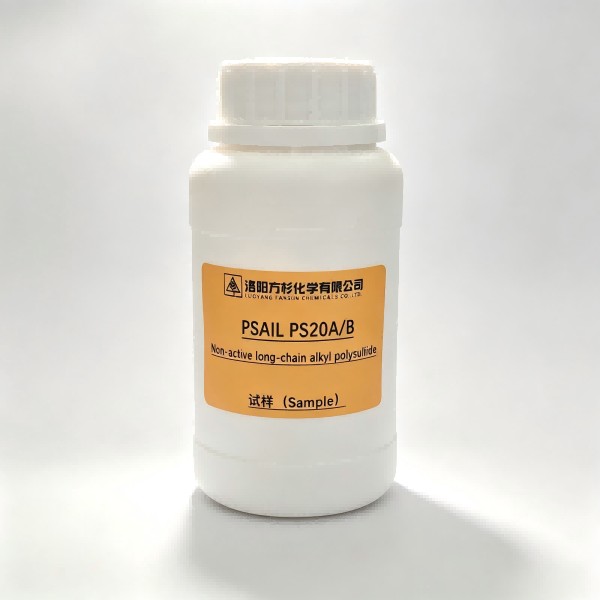
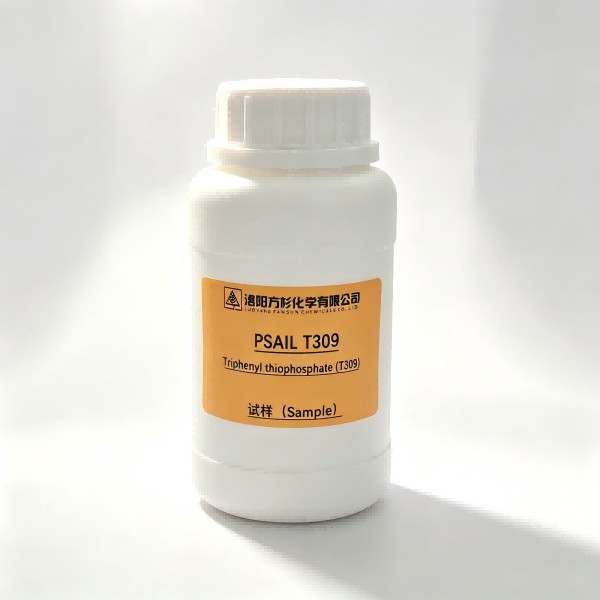
Luoyang Fangshan Chemical Co., Ltd. supplies lubricant additives, additive components, and additive packages for industrial formulations. Our facility holds ISO 9001:2015, ISO 45001:2018, and ISO 14001:2015 certifications. With functional chemical production capacity exceeding 10,000 tons and an R&D team of more than 30 PhD and master’s degree holders, we support formulation review from component selection through performance validation.
Set the blend objective before selecting components
Start with the finished lubricant’s duty, base oil type, operating temperature range, water exposure, metallurgy, and target performance tests. The correct component set for a dry industrial gear lubricant is not automatically appropriate for a hydraulic fluid, turbine lubricant, compressor oil, or water-containing metalworking fluid.
Conclusion: Select additives by finished-fluid requirements, not by a list of individual treat-rate claims. The reason is simple: antiwear chemistry, extreme-pressure chemistry, rust inhibitors, demulsifiers, antifoam agents, antioxidants, and metal deactivators can influence one another. This approach fits new formulations and modified blends where one supplier, component, or base oil has changed. It does not replace application-level field validation when the lubricant will operate under severe load, high heat, or unusual contamination.
| Formula decision | What to define first | Why it affects compatibility | Limit of the check |
|---|---|---|---|
| Base oil selection | Base oil family, viscosity grade, and intended blending temperature | Solvency and viscosity influence how components dissolve and remain dispersed | A clear laboratory blend may still require low-temperature storage testing |
| Wear protection system | Antiwear and extreme-pressure performance target | Phosphorus, sulfur, and molybdenum chemistries may alter corrosion, foam, or deposit behavior | Bench screening cannot replace loaded tribology testing |
| Rust protection system | Water exposure and metal surfaces to protect | Some polar inhibitors can affect demulsibility or interact with other polar components | Water separation results do not alone confirm corrosion protection |
| Foam management | Air release needs, circulation conditions, and filtration route | Surface-active materials can stabilize foam or reduce antifoam efficiency | A static foam observation is not equal to an application foam test |
| Package versus components | Need for formulation flexibility and validation resources | A pre-engineered package can reduce the number of untested interactions | Even a package must be validated in the chosen base oil |
For formulas that need coordinated antiwear, corrosion control, oxidation resistance, and foam behavior, review high-performance lubricant additive packages & blending solutions before building a multi-component system from scratch. A package can simplify the starting point, but it should not be treated as universally compatible with every base oil or supplemental additive.
Build a controlled laboratory blend plan
A useful lubricant formulation testing program changes one variable at a time. If a finished blend becomes cloudy after three unrelated components are added together, the root cause is difficult to isolate. Use a staged blend plan instead.
- Record each raw material. Assign a material code, supplier batch reference, physical appearance, storage condition, and intended function. Keep the base oil sample separate and clearly labeled.
- Prepare a reference blend. Blend the base oil and the core additive system without optional boosters. The reference provides a comparison point for later observations.
- Add one component per trial. Prepare separate samples where each new material is introduced individually to the reference blend at the intended formulation level.
- Prepare pairwise combinations. Test combinations that are most likely to interact, including polar rust inhibitors with demulsifiers, sulfur or phosphorus agents with metal deactivators, and friction modifiers with antifoam agents.
- Use a defined mixing record. Note order of addition, blending temperature, mixing time, agitation condition, and visual appearance after mixing.
- Hold retained samples. Inspect samples immediately after blending and again after controlled storage intervals selected by the formulator’s internal protocol.
- Compare against the reference. Record haze, phase separation, sediment, viscosity shift, foam change, water separation behavior, and deposits.
This sequence fits development work where formulation flexibility matters. It is less efficient for a stable, previously qualified formula receiving only an identical raw-material replenishment. Even then, incoming material checks remain sensible because color, moisture, or handling changes can affect blend behavior.
Use addition order as a diagnostic tool
Addition order is not merely a production detail. A component that remains clear when added early but causes haze when added last may be competing for solvency or reacting with a component already present. Repeat the trial using a different sequence before removing the material entirely.
For example, an extreme-pressure component may be compatible with the base oil and a corrosion inhibitor separately, but turn hazy after both are combined. Make three samples: base oil plus the extreme-pressure component, base oil plus the inhibitor, and base oil plus both. If only the third sample changes, investigate the pair rather than blaming the base oil.
Where sulfur and phosphorus chemistry is under consideration, examine relevant options such as explore fanschems oil-soluble sulfur-based ep/aw additives and discover fanschems oil-soluble phosphate ester ep/aw additives. Their suitability depends on the total formulation, the base oil, corrosion requirements, and the target application.
Use solubility viscosity foam demulsibility and deposit tests to find incompatible combinations
The following workflow provides an action-focused way to identify incompatible combinations before full performance testing. Run the checks on the reference blend and each modified blend. Keep conditions consistent so observations can be compared directly.
| Test step | Action | What indicates incompatibility | Likely cause | Immediate next action |
|---|---|---|---|---|
| Solubility screening | Inspect fresh blends for clarity, haze, flocculation, layers, or sediment after mixing and holding | Cloudiness, settling, crystals, or visible layers | Insufficient base-oil solvency, excessive polarity difference, moisture, or an unsuitable addition order | Test each suspect component separately, then repeat pairwise blends and review mixing order |
| Viscosity compatibility | Measure the reference and modified blend using the same laboratory method and temperature | An unexpected viscosity increase, decrease, or inconsistent readings | Physical incompatibility, polymer interaction, incomplete mixing, or incorrect component addition | Confirm homogeneous mixing, repeat the sample, and isolate the newest component |
| Foam control testing | Compare foam tendency and foam collapse behavior among samples prepared under identical conditions | Higher foam, slower collapse, or loss of air-release behavior compared with the reference | Surface-active additive interaction or reduced effectiveness of the antifoam treatment | Screen the antifoam agent against each polar component and avoid adding extra antifoam without retesting |
| Demulsibility testing | Introduce water according to the selected test method and observe oil, water, and emulsion separation | Persistent emulsion, slow separation, or unstable interfaces | Polar components, dispersant effects, or a water-handling conflict within the formula | Identify the component that changes separation behavior and reassess the rust inhibitor or surfactant balance |
| Deposit formation testing | Hold samples under selected thermal and storage conditions, then inspect container walls and sample bottoms | Varnish-like residue, sediment, sticky material, or surface film | Solubility loss, thermal interaction, oxidation susceptibility, or contamination | Analyze the residue where possible and retest simplified component combinations |
Conclusion: A single clear sample is not enough evidence of compatibility. The reason is that a blend can appear normal after mixing but fail after water exposure, thermal holding, or agitation. This workflow is appropriate for pre-production screening of industrial lubricant additives. It does not certify long-term field performance, tribological protection, or regulatory suitability.
Interpret failures without overcorrecting the formula
- Haze after mixing: First verify temperature, moisture exposure, and addition order. Do not immediately increase solvent power or add another dispersing material, because that may create foam or demulsibility problems.
- Viscosity drift: Repeat the blend from retained raw materials. If the result repeats, test the suspected additive at several controlled levels. This identifies whether the effect is proportional or appears only above a compatibility threshold.
- Persistent foam: Confirm whether foam is caused by the formulation rather than excessive agitation during preparation. Extra antifoam can impair air release or create inconsistent behavior if added without controlled screening.
- Poor water separation: Determine whether the application truly requires rapid separation. Some water-containing systems have different functional needs, so a demulsibility-oriented formula may not fit them.
- Deposits: Check raw-material cleanliness and sample containers before assigning blame to the chemical combination. Contamination can mimic incompatibility.
These checks create evidence for an informed decision. They should be documented in the formulation file with photographs, sample codes, blend order, and observations, not held as informal laboratory notes.
Match the test package to the lubricant application
Test selection should reflect the actual operating environment. A turbine oil, hydraulic fluid, industrial gear lubricant, compressor oil, and metalworking fluid do not face the same risks. Applying every test to every formula wastes time, while applying only visual inspection leaves costly gaps.
| Application type | Priority compatibility checks | Reason for priority | When this emphasis may not apply |
|---|---|---|---|
| Hydraulic lubricant | Foam, air release, demulsibility, viscosity stability, cleanliness | Circulating systems can be sensitive to air entrainment, water, and filter-related issues | Water-containing hydraulic fluids require a different test strategy |
| Industrial gear lubricant | Solubility, deposits, corrosion behavior, viscosity, extreme-pressure performance | High-load chemistry must coexist with the base oil and metal-protection system | Low-load enclosed gears may need less emphasis on extreme-pressure chemistry |
| Turbine lubricant | Demulsibility, foam, oxidation-related deposits, rust control | Water separation and clean operation are normally central formulation concerns | Specialized turbine applications may have separate OEM requirements |
| Compressor lubricant | Deposit formation, oxidation stability, viscosity, foam | Heat and air exposure can reveal deposit tendencies not visible in fresh blends | Gas type and compressor design may require additional testing |
| Metalworking fluid | Water compatibility, corrosion control, foam, hard-water response | Aqueous processing creates different compatibility risks from neat oil systems | Neat cutting oils need an oil-based test program instead |
For hydraulic developments, assess the starting formulation against hydraulic oil additive packages & industrial lubricant solutions. For water-containing processes, the relevant chemistry and test sequence differ; review water-based metalworking additives & aqueous processing solutions rather than transferring a neat-oil test plan unchanged.
Use a release checklist before scaling the blend
Scale-up should occur only after the laboratory file shows that the formula is repeatable. The following checklist helps a purchasing, quality, and technical team decide whether a blend is ready for a larger validation batch.
- Has every raw material been identified by supplier batch and intended function?
- Has the formula been blended using the proposed production addition order?
- Did the solubility screening show no unexplained haze, separation, sediment, or container-wall residue?
- Did viscosity compatibility results remain consistent against the reference blend?
- Did foam control testing show acceptable behavior relative to the reference formula?
- Did demulsibility testing match the needs of the finished lubricant rather than a generic target?
- Did deposit formation testing identify any residue after the selected storage or thermal exposure?
- Have the likely high-risk component pairs been tested separately?
- Has the team defined which failures require reformulation and which require additional application testing?
- Has the selected additive package selection route been compared with a component-by-component route?
Conclusion: Release a blend for scale-up only when the laboratory evidence is traceable and repeatable. This is especially suitable when a blender changes a base oil, introduces a new antiwear component, modifies an inhibitor system, or combines materials from different sources. It does not remove the need for production-scale mixing controls, because tank geometry, shear, filtration, and handling can affect the result.
Work with a supplier that can support validation and supply planning
Compatibility work often requires small laboratory quantities before a full purchase decision. Luoyang Fangshan Chemical Co., Ltd. has no minimum order quantity requirement, which can help formulators obtain materials for controlled screening rather than buying an unnecessarily large quantity before validation. Samples are dispatched within 3 days, while bulk goods are dispatched within 7 days according to the company brief.
Our technical team works on additive molecular design, single-component and package research, formulation optimization, performance testing, and import-substitution product development. Roy Clark, Technical Lead, focuses on additive molecular design, single and package R&D, formulation optimization, and performance validation for hydraulic, gear, and turbine oils.
When a product quality issue occurs, return arrangements can be discussed through consultation. This should be treated as a quality-resolution process, not as a substitute for incoming inspection and pre-blend validation at the customer’s site.
Request a sample and technical selection advice for your next compatibility test plan.
 WhatsApp
 Email
 +8616638861155