Triazole Derivatives Stability and Solubility FAQs for Formulation Teams
How should a laboratory or production team choose a solvent, control moisture, and store a triazole based intermediate without creating haze, sediment, or inconsistent blend performance? The answer depends on the specific structure, carrier fluid, process temperature, and whether the finished system is oil based or water based.
Triazole derivatives are commonly evaluated where metal surface protection, copper corrosion inhibition, or compatibility with lubricant formulations matters. However, no single handling rule applies to every grade. A material that remains clear in one aromatic carrier may cloud in a paraffinic base oil. A product that disperses well in a controlled water system may become unstable after pH drift or contamination.
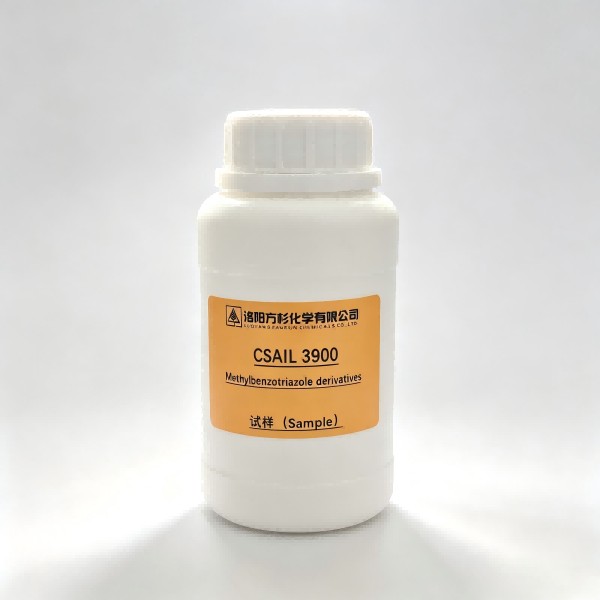
For laboratory and production teams, the practical objective is simple: confirm physical stability before scale up, document the acceptable operating window, and avoid treating a successful beaker blend as proof of bulk blending compatibility. This FAQ explains how to set that window and what to check when results change.
What should be confirmed before selecting a solvent?
Conclusion: Start solvent selection with the intended end formulation, not with the easiest laboratory solvent. The correct carrier is the one that keeps the additive uniform, does not interfere with other components, and can be used in the final manufacturing route.
The reasoning is straightforward. Solubility depends on molecular polarity, aromaticity, hydrogen bonding potential, water content, and temperature. A fast evaporating laboratory solvent can show that a material dissolves, but it may provide little information about long term clarity in a finished industrial oil or concentrate.
This approach fits teams developing oil additives, additive components, and additive packages. It does not apply when the material is intended only for analytical preparation, where the analytical method and instrument requirements control solvent choice.
| Solvent or carrier approach | When it may fit | What to check first | Limit or caution |
|---|---|---|---|
| Finished base oil | Final oil soluble concentrate or finished lubricant | Clarity, sediment, blend time, and appearance after standing | A clear result in fresh oil may still change after contact with other additives |
| Aromatic carrier fluid | Early screening where stronger solvency is needed | Whether the carrier remains acceptable in the final product | It can overstate compatibility compared with more paraffinic oils |
| Polar organic solvent | Laboratory dissolution checks or intermediate preparation | Evaporation behavior and compatibility with downstream components | Not automatically suitable for production blending or finished oil use |
| Water or aqueous carrier | Water based processing fluids or aqueous concentrates | pH, hardness ions, microbial control program, and freeze thaw behavior | Oil soluble grades may separate rather than dissolve |
Use the finished base oil as the first screening medium whenever possible. If the material does not dissolve or remain stable, test a compatible carrier approach rather than forcing the dosage into the blend. Forced addition can lead to incomplete incorporation, filter blockage, inconsistent dosing, or visible sediment later.
For related additive families, teams can compare thiazole-based metal corrosion inhibitors & deactivators when deciding whether the intended metal protection mechanism and solubility profile suit the formulation.
Boundary-focused answers on solvent choice, moisture, pH, and storage temperature
The questions below define useful operating boundaries. They are not substitute specifications. Each product should still be evaluated using its approved technical documentation and the actual formulation matrix.
Does a stronger solvent always improve formulation performance?
Answer: No. A stronger solvent may improve initial dissolution but can create a false positive result if it is absent from the final formulation. It may also change viscosity, flash point, odor, or compatibility with another additive component.
Use a stronger solvent only when it is also an approved part of the concentrate design or when it is being used strictly for laboratory screening. Do not treat laboratory clarity as sufficient evidence of finished product stability. The limit is clear: if the final product cannot include that solvent, its solubility result is only a preliminary observation.
How does moisture affect handling?
Answer: Moisture can affect appearance, dissolution rate, and batch consistency, especially in systems containing water sensitive co additives or where a clear oil concentrate is required. Even when the triazole based material itself appears unchanged, introduced water can destabilize the wider package.
Keep containers closed during sampling, use dry and clean transfer equipment, and avoid returning unused material to the original container. This practice fits both laboratory evaluation and production blending. It is less relevant for a formulation designed as an aqueous system, although water quality and pH control remain necessary there.
Does pH matter in every formulation?
Answer: No. pH is meaningful in water containing systems, but it is not a direct control value for neat mineral oil or synthetic oil blends. In aqueous concentrates, pH can affect ionization, dispersion, corrosion behavior, and compatibility with other additives.
Measure pH only after the intended dilution water and formulation components are present. Do not assume that the pH of a concentrate predicts the pH after dilution. The limit is equally important: changing pH to correct haze may solve one issue while creating another, such as reduced additive compatibility or altered corrosion behavior. Confirm the result with the full formula rather than pH alone.
Can higher storage temperature solve a solubility problem?
Answer: Temporary warming can help a material dissolve or reduce viscosity during blending, but it does not prove that the formulation will remain stable at normal storage conditions. A blend may appear clear while warm and form crystals, haze, or sediment as it cools.
Use temperature only as a controlled processing aid when the product documentation allows it. Then cool the blend and inspect it again before release. The limit is that excessive heating may affect other package components, increase oxidation exposure, or make the observed result less representative of warehouse storage.
| Variable | Recommended decision point | Reasoning | When the advice does not apply |
|---|---|---|---|
| Solvent choice | Screen first in the intended final carrier | Final carrier compatibility matters more than easy laboratory dissolution | Analytical sample preparation may require a method specified solvent |
| Moisture control | Use dry, closed, clean handling equipment for oil concentrates | Water can alter clarity and package consistency | Aqueous formulations require controlled water rather than water exclusion |
| pH control | Measure after making the intended aqueous blend or dilution | pH changes after components and dilution water are combined | Neat oils do not use pH as a direct formulation control |
| Storage temperature | Check cooled samples after any warm blending step | Warm clarity may not remain after cooling | Do not heat materials where approved handling guidance excludes heating |
How can teams run a useful compatibility screening procedure?
Conclusion: Use a staged evaluation that moves from raw material inspection to a complete formula trial. This reduces the risk of approving a solvent system that works only before other components are added.
The procedure below fits development work for industrial lubricant additives and corrosion inhibitor concentrates. It should be adjusted where customer specifications, plant safety rules, or product documentation require a different method.
- Review the product documentation. Confirm the supplied form, recommended handling conditions, and whether the material is intended for oil soluble or water based use.
- Inspect the incoming material. Record appearance, container condition, and any visible separation before sampling. Do not assume a nonuniform container represents the supplied product without checking approved handling instructions.
- Prepare a small carrier screening set. Include the intended base oil or water system, plus any approved carrier fluid under consideration.
- Add the material in the planned manufacturing sequence. Addition order matters because some components disperse better before viscosity modifiers, detergents, antifoam agents, or other surface active materials enter the blend.
- Observe mixing behavior. Record dissolution time, haze, foam, sediment, and any temperature change caused by the process.
- Complete the full formulation. Add the remaining components at the intended order and reassess appearance. A partial blend is not enough.
- Hold and recheck. Inspect the cooled sample after standing under the storage conditions relevant to the project. Compare it with the fresh blend.
- Document the accepted window. Record carrier, addition order, mixing condition, moisture control requirements, and observations so production does not need to recreate laboratory assumptions.
When a project requires several antiwear, extreme pressure, or corrosion control functions, compatibility screening should include the complete additive package rather than isolated components. For example, discover fanschems oil-soluble phosphate ester ep/aw additives may be relevant to a broader oil soluble package review, but each combination still needs a formulation trial.
Which common mistakes cause false stability results?
Conclusion: Most avoidable failures come from using incomplete test conditions. The material may be acceptable, while the screening method fails to represent actual blending, storage, or dilution.
- Testing only at warm temperature. This can hide precipitation that appears after cooling. Always inspect the cooled sample before deciding the carrier is acceptable.
- Using only one solvent. A single carrier does not show whether the material will tolerate base oil variation, dilution water, or other package components.
- Ignoring addition order. Adding a triazole based component after a thickener or incompatible co additive can create slow incorporation or visible haze. Repeat the test using the intended plant sequence.
- Correcting haze only by adding solvent. More solvent can improve appearance while reducing active concentration or creating a formulation that no longer meets application needs. Check the full balance before making that change.
- Using uncontrolled water in aqueous trials. Water chemistry can change dispersion and pH. Use the intended process water source for the most relevant result.
- Releasing a formula without a hold observation. A fresh blend can appear uniform immediately after mixing but change during storage. Include a standing observation in the approval plan.
For water containing systems, review relevant water-based metalworking additives & aqueous processing solutions alongside the intended triazole intermediate. The right selection depends on whether the project needs a dissolved additive, a stable dispersion, or a corrosion inhibitor package for a specific metalworking fluid.
When should a team consider another triazole chemistry?
Consider another chemistry when the current material cannot meet the required carrier compatibility, application environment, or metal protection target without excessive solvent adjustment. The correct conclusion is not that one product is universally better. It is that the formulation requirement may call for a different solubility balance or interaction profile.
For example, a team may need to compare the supplied grade with triazole derivatives csail 3000 or with benzotriazole derivatives csail t551. The useful comparison points are intended carrier, appearance in the complete blend, moisture tolerance, aqueous behavior where applicable, and performance testing required by the end use. Do not select solely on raw material appearance or ease of dissolution in a temporary laboratory solvent.
How does Fangshan Chemical support controlled formulation work?
Luoyang Fangshan Chemical Co., Ltd. has operated since 2017 and manufactures functional chemicals with production capacity exceeding 10,000 tons. Our quality, occupational health and safety, and environmental management systems are certified to ISO 9001:2015, ISO 45001:2018, and ISO 14001:2015.
For formulation screening, buyers can request samples without a minimum order quantity. Samples can be dispatched within 3 days, while bulk goods can be dispatched within 7 days. These timelines support planning, but the technical decision should still follow compatibility checks in the customer’s actual formulation and process conditions.
Roy Clark, Technical Lead for additive molecular design, single and package research, formulation optimization, and performance testing, supports technical selection discussions for lubricant additive applications. Request a sample or selection advice for your triazole formulation project.
 WhatsApp
 Email
 +8616638861155