How to Choose a Turbine Oil Additive Package for Steam and Gas Duty
Steam and gas turbine lubricant programs can look similar at the blending stage, yet the wrong chemistry emphasis can create expensive qualification delays. A formulator may prioritize oxidation resistance for a gas turbine application, while a steam turbine program may fail because water separation and rust control were treated as secondary issues. The practical choice is not “steam package” versus “gas package” in isolation. It is a decision about the actual duty cycle, base oil, machine metallurgy, contamination routes, and approval tests.
A Turbine oil additive package should be selected first by the dominant lubricant stress. Choose a water management focused approach when condensate exposure and water ingress are credible operating risks. Choose an oxidation and deposit control focused approach when the oil sees higher thermal stress, persistent aeration, or long hot circulation periods. Do not make the selection from turbine type alone, because a steam unit can also run hot and a gas turbine can still experience water contamination during storage, shutdown, or maintenance.
For pilot blending teams, the fastest route is to define the duty profile before requesting a package sample: base oil group, target viscosity grade, expected operating temperature range, water exposure, metallurgy, reservoir design, filtration, and the test methods required by the end user. This avoids selecting additive chemistry that performs well in one laboratory screen but does not match the finished oil approval path.
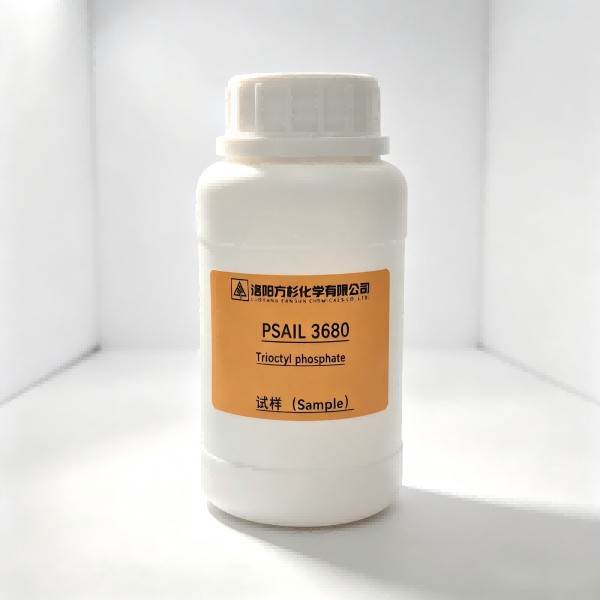
Start With the Failure Mode That Can Reject the Finished Oil
The best initial question is simple: what is most likely to shorten oil service or block product approval? The answer determines which properties deserve the greatest formulation margin. A turbine lubricant can require oxidation resistance, demulsibility, air release, rust protection, foam control, and metal protection at the same time. The relative priority changes with the machine and plant conditions.
| Dominant operating condition | Selection emphasis | Why it matters | When this rule does not apply alone |
|---|---|---|---|
| Frequent condensate contact or credible water ingress | Demulsibility and rust protection | Water that remains dispersed can interfere with lubrication and increase corrosion risk. | Do not reduce oxidation protection if the circulating oil also sees sustained heat or long drain intervals. |
| High thermal load and extended hot circulation | Oxidation control additives | Oxidation can increase acid formation, varnish tendency, and deposit risk. | Thermal stress does not remove the need for air release or copper protection. |
| Persistent entrained air or agitation in the reservoir | Air release and foam control | Entrained air can impair lubricant film consistency and accelerate oxidative stress. | Do not treat antifoam performance as a substitute for good air release. |
| Copper or copper alloy components in the oil system | Copper corrosion protection | Metal reactivity must be checked against the complete additive system and base oil. | Turbine type alone does not confirm the metallurgy or required protection level. |
| Uncertain duty profile before pilot blending | Application review and staged testing | Package selection without duty evidence can lead to repeated reformulation. | A generic formulation is not a replacement for the buyer’s approval specification. |
For example, a steam turbine lubricant intended for a plant with known condensate exposure should not be selected solely because it has a strong oxidation story. The immediate formulation risk may be poor water separation after contamination. Conversely, a gas turbine lubricant designed for sustained hot service should not be chosen only for fast demulsibility if oxidative stability is the main qualification concern.
Fangshan Chemical can support this selection stage with additive components as well as package options. Buyers comparing individual chemistry with package blending can review high quality lubricant additive components when they need to adjust a formula around a specific performance gap rather than replace the whole system.
Steam versus Gas Turbine Duty Matrix for Oxidation Life Demulsibility Air Release and Copper Protection
This matrix is a commercial and technical decision tool, not a universal performance ranking. Steam and gas turbines may use similar classes of circulating lubricant, but their operating environments often create different formulation priorities. Use the matrix to identify which claim must be verified first during pilot work.
| Decision factor | Steam turbine duty | Gas turbine duty | Selection rule |
|---|---|---|---|
| Oxidation life | Important where the system operates continuously, has elevated oil temperature, or targets extended service intervals. | Often receives stronger attention where sustained thermal exposure and hot circulation are major concerns. | Choose greater oxidation margin when heat history, service interval, and deposit control requirements drive the program. Do not assume gas duty automatically means higher oxidation demand without actual temperature and operating data. |
| Demulsibility | Often a leading requirement because condensate or steam related water exposure can enter the oil system. | Still required, especially where storage, maintenance practices, cooler leaks, or humid environments introduce water. | Choose water separation priority when the contamination route is known or credible. Confirm performance using the customer’s specified water separation method. |
| Air release | Important in circulating systems with reservoir agitation, return line turbulence, or pump related entrainment. | Important where high circulation rates, reservoir design, and hot operation increase the effect of entrained air. | Select according to actual reservoir and circulation conditions. Foam observations alone are not enough; test air release separately. |
| Copper protection | Needed when copper containing alloys, coolers, bearings, or system components require compatibility control. | Needed under the same metallurgy conditions, with extra attention when thermal stress may intensify additive and metal interactions. | Choose chemistry based on confirmed metallurgy and required test method, not on the turbine label. Screen the complete blend because base oil and additive interactions matter. |
The commercial implication is direct. A package that is well aligned with the actual duty can reduce pilot iterations. A package chosen from a broad product description may require later correction through supplemental additives, reformulation, or a different base oil. That is why procurement teams should request technical documents and clarify the target approval route before comparing quotations.
For copper sensitive systems, the formulator should assess whether a dedicated metal deactivation approach is required within the additive system. Relevant chemistry can be reviewed through thiadiazole based metal corrosion inhibitors, but final suitability still depends on the complete oil formulation, metal surfaces, and the buyer’s corrosion test requirements.
Match the Package Architecture to the Base Oil and Blending Plan
Base oil selection and additive selection must be reviewed together. A package can be appropriate in principle but unsuitable at the planned treatment level, in the chosen base oil group, or under the required blending sequence. This is particularly relevant when a formulation team is building a locally supplied alternative to an established imported turbine oil.
Choose a pre designed package when the program needs a practical starting formula and the target application is clearly defined. The advantage is a simpler pilot route because the primary functions are already intended to work together. This option fits procurement teams that want to reduce the number of incoming additive components and simplify batch control. It does not remove the need to validate the final blend in the selected base oil.
Choose separate components when the customer must fine tune one performance property, use an existing additive inventory, or meet a narrowly defined approval target. The advantage is formulation flexibility. The limitation is greater compatibility risk and more work in dosage optimization, blending order, and finished oil testing.
- Use a package approach when the duty is well defined, the base oil plan is stable, and the buyer wants a shorter route to a pilot blend.
- Use component adjustment when a current formulation has a clearly identified weakness, such as water separation, oxidation control, or copper corrosion protection.
- Do not combine additives by function name alone. Antioxidants, rust inhibitors, antifoam agents, and metal deactivators can influence one another in the finished oil.
- Do not change base oil and additive chemistry at the same time unless the test plan is designed to identify the source of any failure.
Our technical team includes more than 30 PhD and master’s degree holders working on additive molecular design, single additives, package research, formulation optimization, and performance testing. Roy Clark, Technical Lead, focuses on formulation tuning and performance validation for industrial lubricant additive programs. That support is relevant when a buyer needs to distinguish a package problem from a base oil compatibility problem.
For buyers also evaluating adjacent industrial products, high performance lubricant additive packages can provide a broader view of package based blending options. This comparison should remain application specific; a package designed for hydraulic or gear oil requirements should not be assumed suitable for turbine lubricant duty.
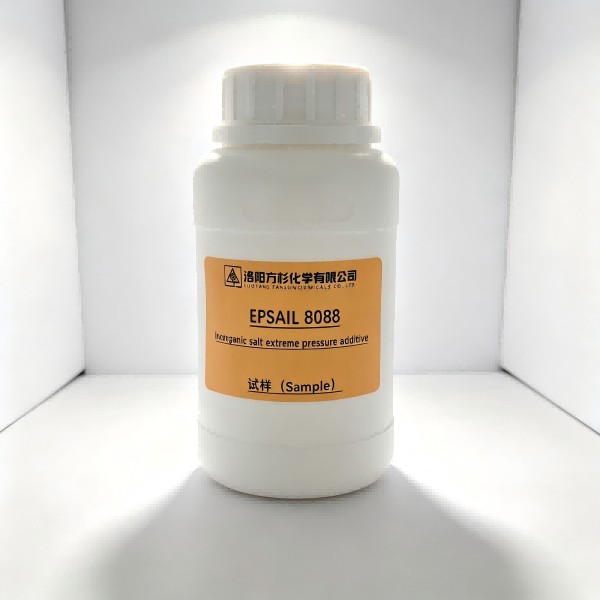
Use a Pilot Blending Procedure Before Commercial Release
A package should move from paper comparison to controlled verification. The following procedure helps formulators and procurement teams avoid approving a chemistry only because it appears suitable on a product sheet.
- Define the application boundary. State whether the oil is for steam duty, gas duty, combined cycle service, or a plant specific circulating system. Record expected water exposure, oil temperature history, metallurgy, and filtration conditions.
- Confirm the target base oil. Identify the intended base oil group and viscosity grade. Do not request a recommendation without this information because solubility and performance balance can change with the base stock.
- List mandatory tests. Include the buyer’s required oxidation, demulsibility, air release, foam, rust, and copper corrosion methods. Use the exact test standards requested by the end user rather than a loosely similar test list.
- Blend a controlled pilot batch. Keep the blending sequence, temperature, agitation, and filtration record consistent for each comparison batch.
- Test the baseline first. Establish how the base oil or existing formula performs before evaluating the new additive system.
- Change one variable at a time. If demulsibility is poor, do not simultaneously alter antioxidant, antifoam, and rust inhibitor levels. That makes the cause of improvement or failure unclear.
- Review results against duty risk. A passing result in one property does not compensate for a failure in the requirement most likely to disrupt service.
- Approve scale up only after confirming repeatability. A single successful pilot blend is useful evidence, but it does not by itself prove batch to batch consistency at commercial scale.
Fangshan Chemical operates under ISO 9001:2015, ISO 45001:2018, and ISO 14001:2015 management systems. For development programs, samples can be dispatched within 3 days and bulk goods within 7 days, subject to the stated order process. There is no minimum order quantity, which can help a formulation team begin with a pilot requirement rather than commit to an oversized initial purchase. These service facts support trial planning, but they do not replace final technical validation by the buyer.
Check These Common Errors Before Comparing Supplier Offers
Many quotation comparisons fail because buyers compare package price without comparing technical scope. A lower priced offer can be misleading if its recommended treatment level, base oil compatibility, or test coverage differs from the competing option.
- Comparing price per kilogram only. Compare proposed treatment level, expected blend cost, test support, and the number of supplemental components required. Do not compare package prices when one quote requires additional chemistry and the other does not.
- Assuming steam duty means water protection only. Steam systems can still require strong oxidation control, air release, and metal protection depending on their operating conditions.
- Assuming gas duty means oxidation control only. Water contamination, air entrainment, and copper compatibility can remain qualification issues.
- Using a generic test list. Ask the end user which methods and limits apply. A product can pass an internal screen and still miss the purchaser’s required procedure.
- Ignoring system metallurgy. Copper protection must be based on confirmed hardware materials, not on a broad assumption about turbine design.
- Overcorrecting one weakness. Increasing one component to improve a single result may impair demulsibility, air release, foam behavior, or compatibility elsewhere.
- Requesting a package without service data. At minimum, provide turbine type, base oil, viscosity target, water exposure, operating profile, and required tests.
Make the Final Choice From Evidence Rather Than Turbine Labels
Choose a steam focused formulation route when condensate risk, water ingress, and corrosion control are clearly the leading service threats. This choice fits plants where water separation performance is likely to decide lubricant reliability. Its limit is that steam service alone does not justify a weaker oxidation or air release profile.
Choose a gas focused formulation route when sustained heat, oxidation stability, deposit control, and aeration exposure are the leading risks. This choice fits gas turbine systems where the thermal operating profile drives the lubricant program. Its limit is that thermal duty does not remove the need to test water separation and copper compatibility.
Choose a balanced or customized formulation route when the system is combined cycle, operates under mixed conditions, has uncertain contamination history, or requires an approval specification that does not align neatly with a standard duty classification. In these cases, the right commercial decision is to request a pilot recommendation against the actual base oil and test list.
Luoyang Fangshan Chemical has functional chemical production capacity exceeding 10,000 tons and develops import substitute additive products for global markets. That manufacturing and R&D base can support evaluation work, but the final formulation choice should remain tied to your operating data and finished oil verification.
Request a sample and selection review for your steam or gas turbine pilot blend.
 WhatsApp
 Email
 +8616638861155