How to Navigate Compatibility Limits in Industrial Lubricant Additives
You have carefully selected additives to enhance a lubricant's performance, but after blending, the final product is hazy, forms a precipitate, or fails a critical performance test. This frustrating outcome is often due to chemical incompatibility between components. Understanding the interaction between different additive families, base oils, and even contaminants is fundamental to successful formulation. Poorly matched industrial lubricant additives can work against each other, negating their benefits and potentially damaging the equipment they are meant to protect.
At Luoyang Fangshan Chemical, we focus on producing high-purity additive components that provide predictable performance. As an ISO 9001:2015 certified manufacturer, we understand that consistency is the foundation of reliable formulation. This guide, drawing on the experience of our technical sales team, outlines the key principles of additive compatibility to help you avoid common pitfalls and achieve your desired performance targets.
The Foundation: Why Additive Compatibility Matters
Additive compatibility is not a simple concept of mix-and-match. It involves complex chemical interactions that can be either synergistic or antagonistic. Synergism occurs when the combined effect of two or more additives is greater than the sum of their individual effects. Antagonism is the opposite, where one additive interferes with the function of another, leading to a net loss in performance.
The consequences of incompatibility are significant and can manifest in several ways:
- Physical Instability: The most obvious sign is a change in the lubricant's appearance. This includes haze, sediment, or complete phase separation. These solids can clog filters, block oil passages, and form harmful deposits on machine surfaces.
- Reduced Performance: Antagonistic interactions can lead to a measurable drop in effectiveness. An extreme pressure (EP) additive might be hindered by a detergent, resulting in a poor extreme pressure effect, a larger wear scar in a four-ball test, or failure to meet required PB (load-carrying capacity) and PD (weld point) values.
- Formation of Corrosive Byproducts: Certain chemical reactions between additives can create compounds that actively attack metal surfaces, especially those containing yellow metals like copper or bronze.
- Decreased Oxidative Stability: Some additives can reduce the effectiveness of antioxidants, shortening the lubricant's service life and leading to the formation of sludge and varnish.
Identifying these issues requires rigorous testing. Our R&D team, consisting of more than 30 PhD and master’s degree holders, routinely uses methods like the SRV test to evaluate friction and wear, ensuring our additives perform as expected within a balanced formulation. Understanding these potential conflicts before blending saves significant time and resources.
The Compatibility Matrix: Matching Additives, Base Oils, and Applications
Selecting the right additives requires a holistic view of the entire formulation, starting with the base oil. Different base oil groups (API Groups I-V) have varying levels of solvency and polarity, which directly impacts their ability to keep additives dissolved and active. The following table provides a general compatibility guide for common additive families in different industrial applications.
| Additive Family | Compatible Base Oils | Best-Fit Applications | Potential Conflicts & Considerations |
|---|---|---|---|
| Zinc Dialkyldithiophosphates (ZDDPs) | Group I, II, III | Engine Oils, Hydraulic Oils | Can be aggressive towards some seal materials. Overbased detergents can compete for surface access, reducing anti-wear film formation. Hydrolytically unstable in the presence of water. |
| Sulfur-Phosphorus (S-P) EP Additives | Group I, II, III, IV (with solubilizers) | Industrial Gear Oils, Metalworking Fluids | Active sulfur types can be corrosive to yellow metals at high temperatures. Can be antagonistic with certain friction modifiers. Explore our oil-soluble sulfur-based EP/AW additives for optimized options. |
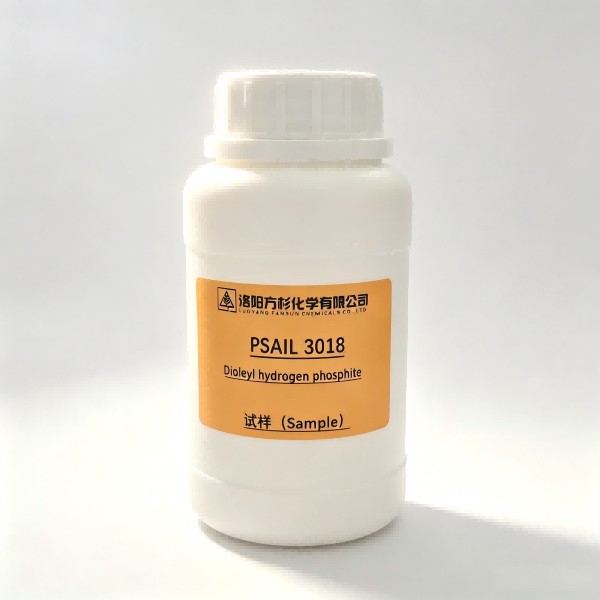
| Phosphate Esters (Ashless AW/EP) | Group II, III, IV, V | Compressor Oils, Turbine Oils, Fire-Resistant Hydraulic Fluids | Excellent thermal stability but can have limited hydrolytic stability. May compete with some corrosion inhibitors. See our range of oil-soluble phosphate ester EP/AW additives for specific solutions. |
| Overbased Calcium Sulfonates (Detergents/Rust Inhibitors) | Group I, II | Engine Oils, Greases | High alkalinity can neutralize acidic anti-wear additives. Can introduce water sensitivity and may compete with polar additives for metal surfaces. |
| Thiadiazole Derivatives (Corrosion Inhibitors) | Group I, II, III, IV | Gear Oils, Greases, Metalworking Fluids | Highly effective for yellow metal protection. Generally good compatibility, but high treat rates can sometimes interact with EP additives. We offer a variety of thiadiazole-based metal corrosion inhibitors. |
This matrix serves as a starting point. The final compatibility depends on the specific chemistry of each additive, its treat rate, and the operating conditions of the application.
Common Formulation Mistakes That Compromise Performance
Even with a compatibility chart, formulators can encounter issues. Many problems stem from a few common mistakes during the development process. Avoiding these can save considerable time and prevent costly blend reformulations.
- Ignoring Base Oil Solvency: Highly refined Group III and Group IV (PAO) base oils have poor solvency compared to Group I oils. Polar additives may drop out of solution in these non-polar base stocks. The solution often involves adding a co-solvent, such as a Group V ester, to keep the additive package stable.
- Over-Treating with a Single Additive: Believing that "more is better" is a frequent error. Exceeding the optimal treat rate for an EP or anti-wear additive can lead to increased deposits, higher corrosivity, and antagonistic competition with other surface-active components like rust inhibitors. Balance is key.
- Mixing Antagonistic Chemistries: A classic example is the interaction between ZDDP and overbased detergents. The detergent's primary function is to neutralize acids and clean surfaces, but its polar "head" can compete with the ZDDP for access to the metal, preventing the formation of a protective anti-wear film.
- Disregarding Water and Contamination: The presence of water can hydrolyze certain additives, like phosphate esters or some ZDDPs, rendering them ineffective and creating corrosive acidic byproducts. Always consider the potential for water ingress in the target application.
- Using Inconsistent or Impure Components: Sourcing from unreliable suppliers can introduce batch-to-batch variability. Unspecified impurities in an additive can act as a catalyst for negative reactions, causing unexpected haze or performance failures. Partnering with a professional lubricant additive manufacturer is your first line of defense.
A Practical Checklist for Validating Additive Blends
To ensure a stable and effective final product, a systematic validation process is essential. This step-by-step approach helps identify potential incompatibilities early in the development cycle.
- Define Clear Performance Objectives: What are your targets? Specify required results for key tests like Four-Ball EP (ASTM D2783), Four-Ball Wear (ASTM D4172), SRV, and rust prevention (ASTM D665).
- Review Base Oil and Additive Data Sheets: Scrutinize the Technical Data Sheets (TDS) for every component. Look for information on solubility, recommended treat rates, and known incompatibilities. Note the base oil's viscosity, solvency, and API group.
- Perform a "Hot Box" Stability Test: Before committing to expensive performance testing, conduct a simple bench test. Create a small sample blend in a clear glass bottle. Store one sample at room temperature and another in an oven at a moderately elevated temperature (e.g., 60-80°C) for 24-72 hours. Visually inspect for haze, sediment, or color change.
- Conduct Performance Bench Testing: If the blend is stable, proceed with performance testing. This is where you verify if the formulation meets the objectives defined in Step 1. Compare the results against your baseline.
- Evaluate Material Compatibility: Test the final blend's compatibility with common seal materials (e.g., Viton, Buna-N) and check for any staining or corrosion on yellow metal coupons, especially for gear and hydraulic oil formulations.
This validation process is critical for developing robust formulations. To support your R&D, we offer a rapid turnaround, with samples dispatched in 3 days and bulk orders in as few as 7 days, allowing you to move quickly from bench testing to full-scale production. Our no-MOQ policy further supports this flexible approach to development.
Sourcing Quality Additives for Predictable Formulations
Ultimately, the quality of your raw materials dictates the predictability of your final lubricant. Inconsistent additive quality introduces an uncontrollable variable that makes troubleshooting compatibility issues nearly impossible. Impurities can disrupt the delicate chemical balance of a formulation, leading to unexpected failures.
As a provider of import-substitute additive products, we focus on delivering consistent, high-purity chemicals. Our production capacity for functional chemicals exceeds 10,000 tons annually, all produced under management systems certified to ISO 9001:2015 (Quality), ISO 45001:2018 (Occupational Health and Safety), and ISO 14001:2015 (Environmental). This commitment to quality control ensures that the additive components you receive today will perform identically to the ones you receive next year, providing the stability needed for reliable formulations.
Whether you require individual high-quality lubricant additive components or fully formulated high-performance lubricant additive packages, working with a technically proficient and reliable supplier is the most effective way to manage the risks of chemical incompatibility.
If you are facing formulation challenges or seeking a reliable partner for import-substitution projects, contact our technical team to discuss your additive requirements and request a sample.
 WhatsApp
 Email
 +8616638861155