Additive Components Determine How Long Your Hydraulic Fluid Actually Lasts
Why does one hydraulic fluid hold up for 8,000 hours while a chemically similar fluid varnishes a pump in half that time? The base oil is rarely the reason. The answer sits in the additive package — the specific blend of additive components that controls wear, oxidation, water separation, and corrosion inside the system. For maintenance engineers troubleshooting pump failures and for formulators evaluating a new supplier, understanding what each component actually does — not just what it's called — is the difference between a fluid that performs and one that quietly fails.
This article breaks down hydraulic fluid additive functions one by one, maps them to the system problems they prevent, and flags the mistakes we see most often when buyers evaluate lubricant additive components for the first time.
What Are Hydraulic Oil Additives, and Why Base Oil Alone Isn't Enough
Base oil provides viscosity and lubricity in general terms, but it has almost no resistance to oxidation, no meaningful boundary lubrication under metal-to-metal contact, and no ability to shed water. That gap is filled by additives — typically 1% to 8% of total fluid volume, depending on the application and operating severity.
In a hydraulic system specifically, the fluid does more than lubricate. It transmits power, seals clearances in pumps and valves, carries away heat, and has to stay stable across thousands of pressure cycles. Each of those jobs stresses the fluid differently, which is why a hydraulic oil additive package usually combines several additive components rather than relying on one chemistry to do everything.
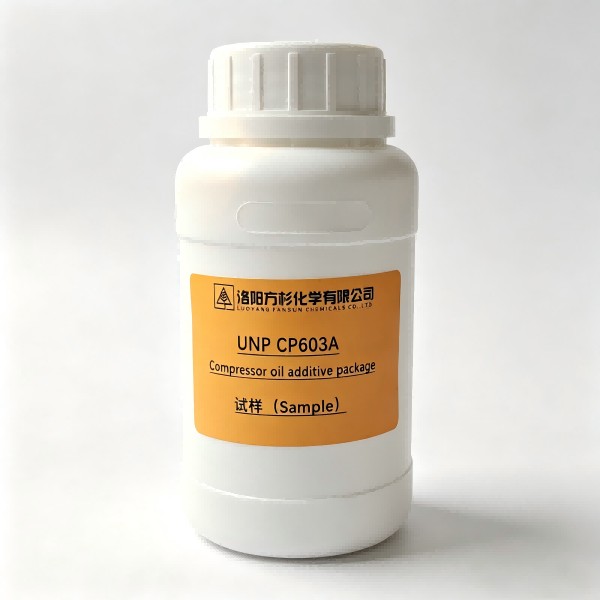
Function to Component Mapping: How Antiwear Agents, Demulsifiers, Antioxidants, and Rust Inhibitors Protect a Hydraulic System
Below is a direct mapping of the four additive functions most responsible for hydraulic system reliability, what they actually affect inside the equipment, and what happens when they are under-dosed or poorly selected.
| Component | What It Actually Protects | What Goes Wrong If It's Weak or Missing |
|---|---|---|
| Antiwear agents (e.g., phosphate esters, phosphorothioates) | Metal-to-metal contact points in piston pumps, vane pumps, and servo valves | Wear scar diameter grows beyond spec, pump efficiency drops, internal leakage increases, premature valve sticking |
| Demulsifiers | Water separation speed — keeps free water from staying suspended in the oil | Emulsified water causes additive depletion, accelerates rust, and reduces film strength at high pressure |
| Antioxidants | Oil life under heat and oxygen exposure, especially above 65°C sump temperature | Acid number climbs, sludge and varnish form on valve spools, filters clog faster than the service interval |
| Rust inhibitors | Ferrous metal surfaces exposed to residual moisture or condensation | Localized pitting on cylinder bores and reservoir walls, leading to leaks and particulate contamination |
These functions work together, not in isolation. A fluid with good antiwear performance but a weak demulsifier will still fail in a system that sees water ingress — the antiwear film gets disrupted by emulsified water before it ever gets a chance to protect the surface. This is the core reason additive packages are formulated as a system rather than sold as a single additive component.
For engineers specifying antiwear agents specifically, our oil-soluble phosphorothioate EP/AW additives and oil-soluble phosphate ester additives are commonly paired with thiadiazole-based corrosion inhibitors in hydraulic formulations where both wear protection and copper passivation are required.
Common Mistakes When Selecting Additive Components for Hydraulic Fluid
Most formulation complaints we hear from overseas customers trace back to a handful of recurring issues rather than exotic failures:
- Ignoring SRV test results in favor of marketing data sheets. A supplier's TDS might state good EP performance, but if the SRV friction coefficient trends upward after 30 minutes, that antiwear chemistry is breaking down under sustained load — not a one-time spec sheet issue.
- Treating PB/PD values as pass/fail only. A fluid can pass minimum PB/PD thresholds and still show a large wear scar diameter in a four-ball test. Both numbers need to be checked together, not separately.
- Underestimating antioxidant dosage for high-ambient-temperature regions. A package validated at 40°C ambient will oxidize faster in a 45–50°C plant environment without dosage adjustment.
- Assuming all rust inhibitors are interchangeable. Amine-based and thiazole-based inhibitors behave differently on black metals versus yellow metals — mismatching them can leave copper or bronze components unprotected.
- Switching additive suppliers without re-running compatibility tests. Different antioxidant chemistries can interact poorly with existing demulsifiers already in a blended formula, causing haze or slower water separation.
A Worked Example: Diagnosing Poor Extreme Pressure Performance
Here's a scenario we see often from formulators evaluating import-substitute additive components: a hydraulic fluid passes basic viscosity and oxidation checks but shows a large wear scar diameter and a high friction coefficient under SRV testing. PB/PD values come back below the target range the customer set internally.
The likely cause isn't the base oil. It's usually one of these three issues:
- The antiwear agent concentration is too low for the operating pressure range of the pump — common when a formula is copied from a lower-pressure application without adjustment.
- The antiwear chemistry itself has a lower film strength threshold than the system's peak pressure spikes, which happens with some older phosphate ester types under high shock-load conditions.
- Antioxidant depletion has already started breaking down the antiwear film before the SRV test was run, which is why oxidation resistance and extreme pressure performance should be reviewed together, not as separate line items.
In practice, correcting this means re-evaluating the additive components as a package rather than swapping a single ingredient. This is the kind of formulation troubleshooting our R&D team — more than 30 PhD and master's degree holders — works through directly with customer formulation teams during sample evaluation.
Buyer's Decision Checklist Before Finalizing an Additive Package
Before committing to a supplier for lubricant additive components, confirm the following:
- Has the antiwear chemistry been validated with SRV and four-ball wear scar data, not just a generic PB/PD claim?
- Does the demulsifier chemistry match your system's water exposure risk — outdoor reservoirs need faster separation than sealed indoor units.
- Is the antioxidant package rated for your actual sump temperature, not just a lab reference temperature?
- Are rust inhibitors specified separately for black metal and yellow metal surfaces if your system has both?
- Can the supplier provide samples fast enough to run your own lab verification before a bulk order? We typically ship samples within 3 days and bulk orders within 7 days, with no MOQ requirement for initial trials.
- What happens if the finished batch fails your in-house spec? Confirm the return or renegotiation terms in writing before the first shipment, not after.
Where Additive Components Fit Into a Finished Hydraulic Oil Package
Individual additive components rarely ship alone into a finished hydraulic fluid. They're blended into a pre-tested package designed around a target viscosity grade and application severity. If you're formulating from scratch, reviewing a hydraulic oil additive package built for your pressure range is usually faster than sourcing and balancing single components independently — especially when oxidation resistance and antiwear performance need to be tuned together.
For plants also running gear or compressor systems on the same site, note that industrial gear oil additive packages use a different antiwear-to-EP ratio than hydraulic formulations, since gear contact loads are typically higher and more localized than pump wear points.
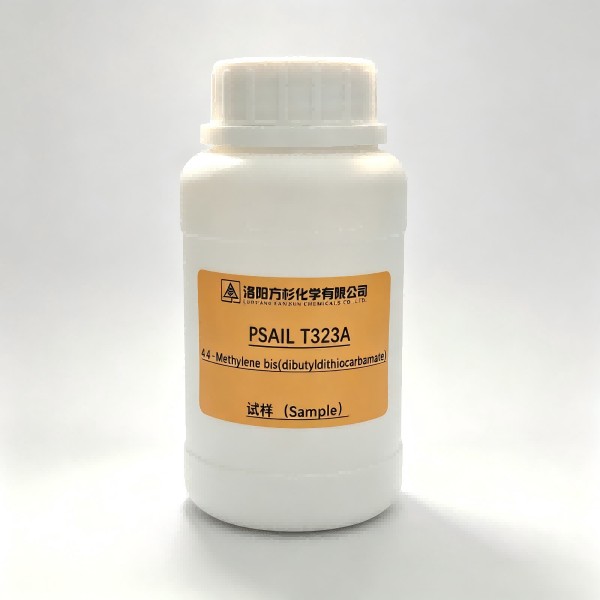
Checking Compatibility Before You Commit to a Formula
One point formulators overlook: additive components that work well individually can still conflict once blended. A strong antioxidant can sometimes slow a demulsifier's water-shedding speed, and certain rust inhibitors reduce the effectiveness of specific antiwear chemistries on yellow metals. This is why compatibility testing across the full additive components list — not single-ingredient testing — should happen before a formula goes into production. Our facility operates under ISO 9001:2015, ISO 45001:2018, and ISO 14001:2015 systems, and with production capacity exceeding 10,000 tons annually, compatibility and batch consistency checks are built into the standard sampling process rather than treated as an optional add-on.
Daniel Zhang, who handles custom additive package development and formula compatibility assessment for overseas accounts, notes that most import-substitute requests start with a customer sending their current PB/PD and SRV data for comparison — which is usually the fastest way to identify exactly which additive component needs adjustment.
If you're reviewing a current hydraulic formulation or evaluating lubricant additive components for an import-substitute project, send us your target specs or a sample of your existing fluid. We can walk through SRV and PB/PD benchmarks together and recommend a starting package for lab trial.
 WhatsApp
 Email
 +8616638861155